About Lehe
乐于心,和与众,与己乐,与人和; 心宽念纯,百病无生。


乐于心,和与众,与己乐,与人和; 心宽念纯,百病无生。


If you cannot understand the subsequent professional description, you can finish reading this text in two minutes
Disease Overview
Recognition
Hepatocellular carcinoma
There are two common pathological types of primary liver cancer: hepatocellular carcinoma, which originates from liver cells, and cholangiocellular carcinoma, which originates from intrahepatic bile ducts. Hepatocellular carcinoma accounts for 90% of primary liver cancer cases, while cholangiocellular carcinoma is relatively rare but more prone to lymphatic metastasis.
Hepatocellular carcinoma often presents no early symptoms, and unlike hepatocellular carcinoma, the tumor marker AFP does not increase, making it difficult to detect in advance. Patients often present with symptoms at a later stage, leading to a poor prognosis. The prognosis for most patients with hepatocellular carcinoma is already poor, and cholangiocellular carcinoma is even more challenging to treat due to its biological characteristics.
Vascular tumor thrombus
Vascular tumor thrombus refers to the formation of tumor thrombi in blood vessels in resected tumor specimens, indicating tumor infiltration into blood vessels and the possibility that tumor cells have entered the circulatory system, traveling with the blood and increasing the likelihood of distant metastasis. It is an indicator of poor prognosis.
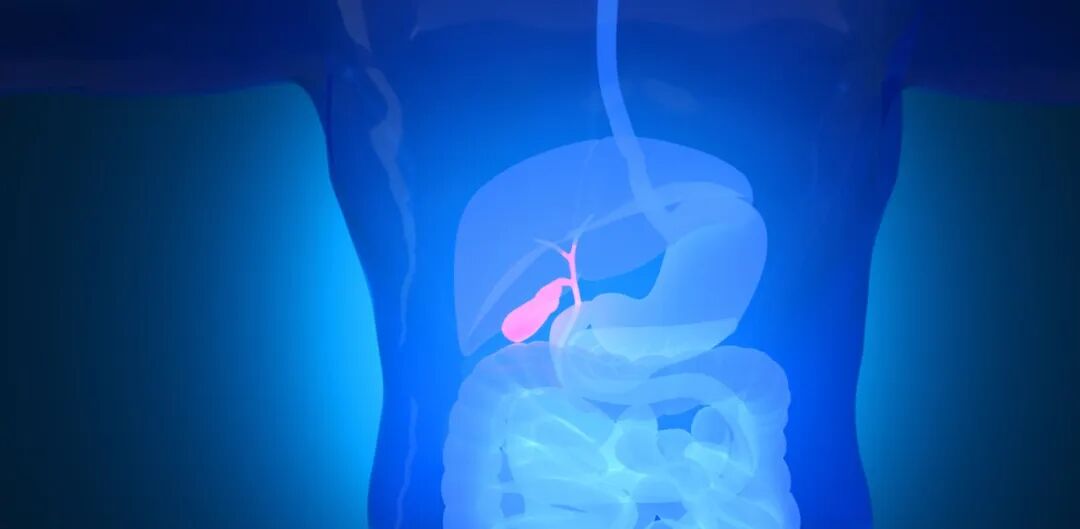
1. The patient has dual primary tumors. The lung cancer, which was discovered first, is at an early stage and carries a lower risk. The subsequently discovered hepatobiliary cancer is highly malignant, and postoperative pathology has revealed vascular cancer thrombus, indicating a higher risk.
2. Although the patient underwent radical surgery, he did not undergo chemotherapy due to resistance to it, and there is still a significant risk of metastasis and recurrence. The presence of two primary malignant tumors suggests that the patient may have a "tumor constitution".
3. NKT therapy utilizes powerful immune cells to eliminate tumor cells that may remain in the body but are otherwise undetectable, with essentially no side effects, making it very friendly to patients. The purpose of combining NKT cell therapy after radical surgery is to maintain long-term systemic stability.
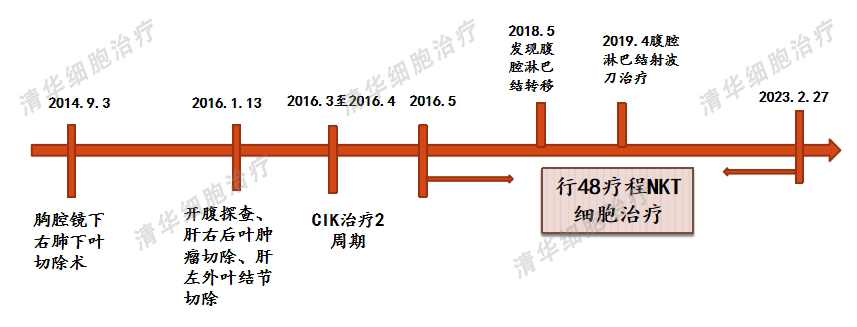
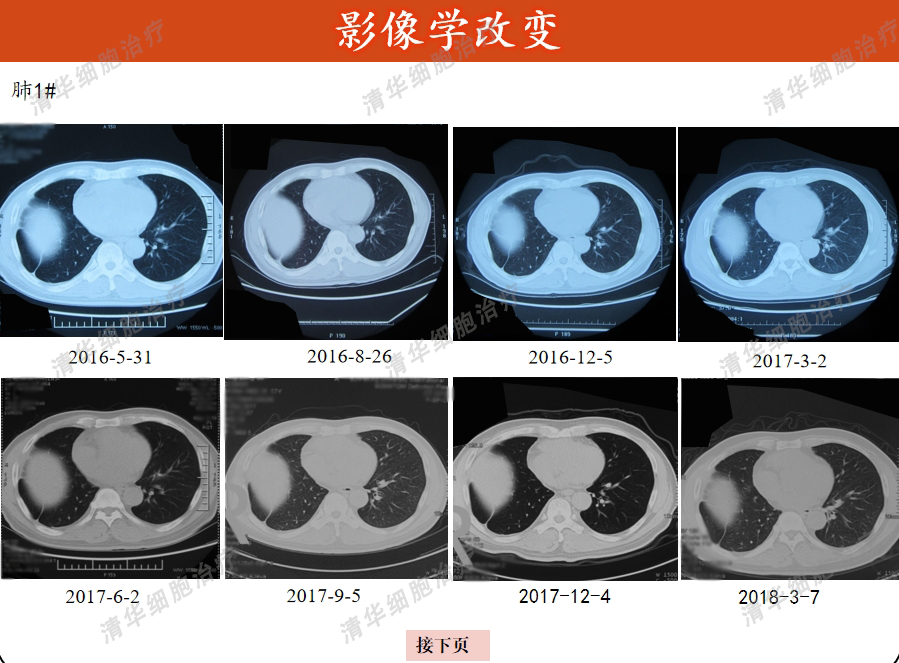
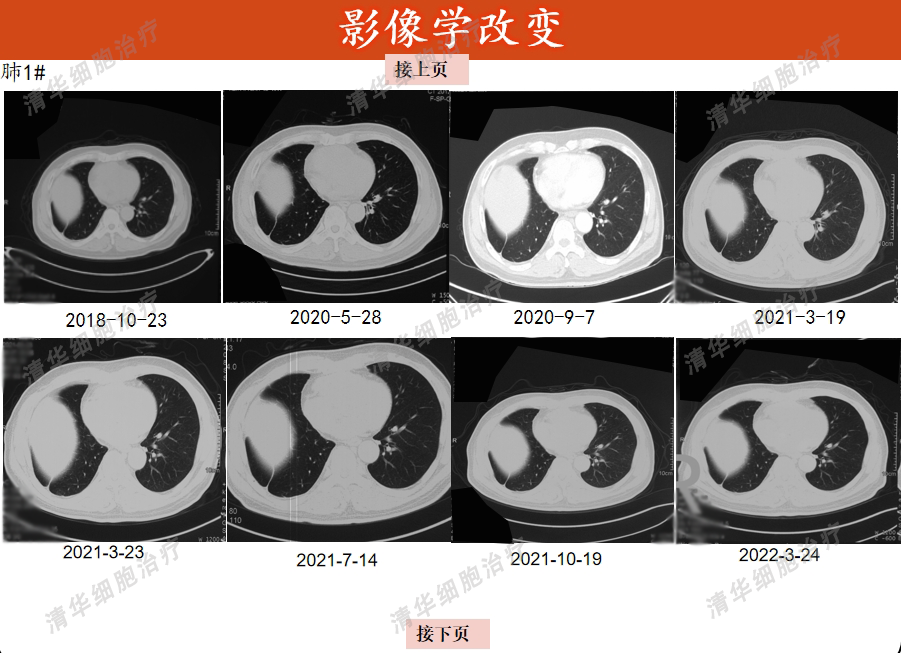
Image aspect
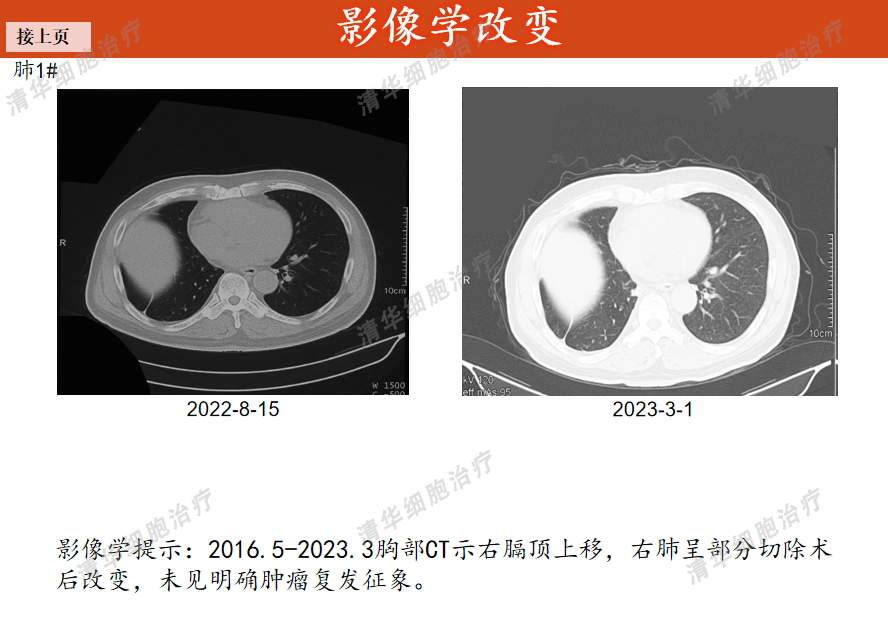
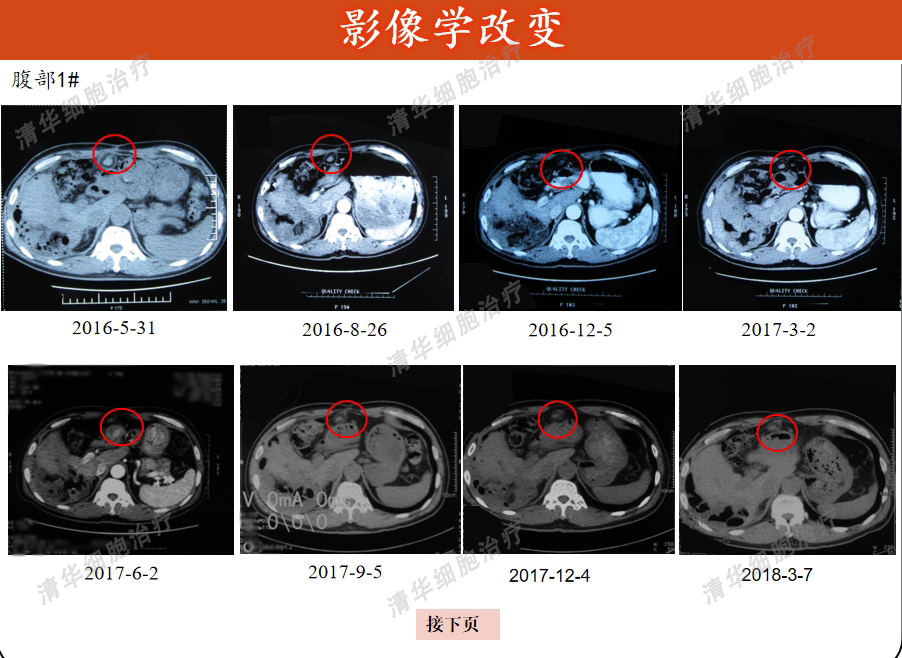
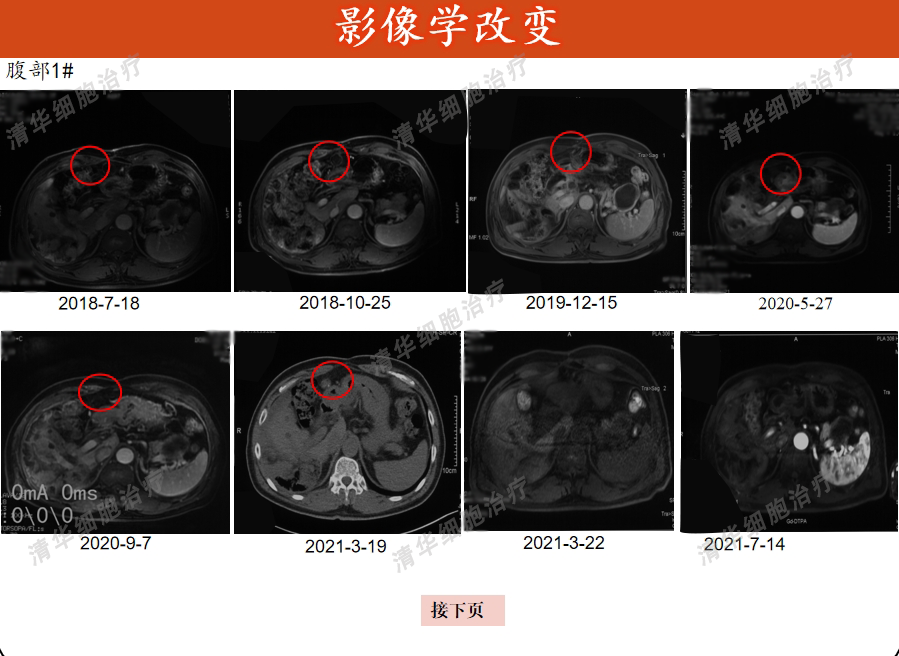
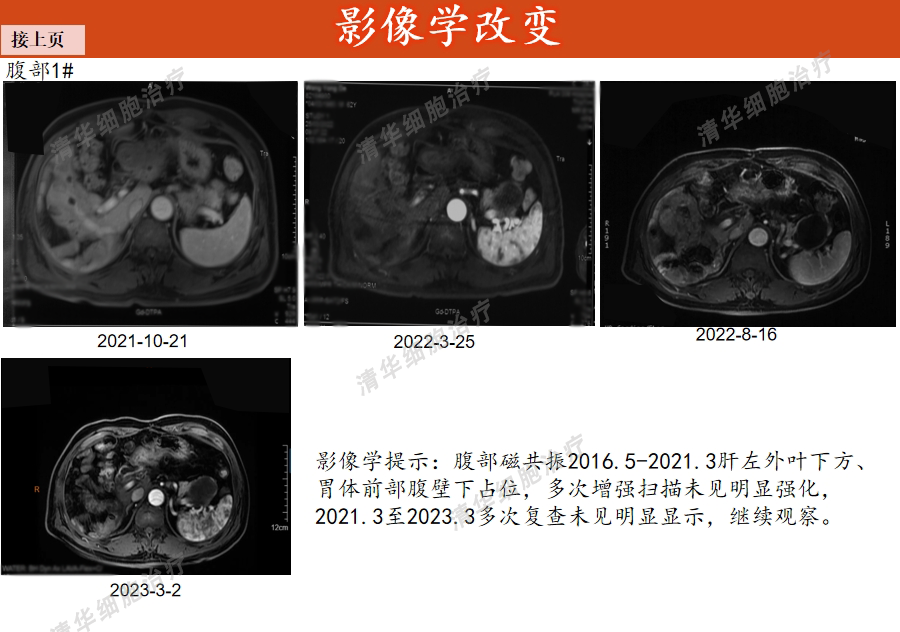
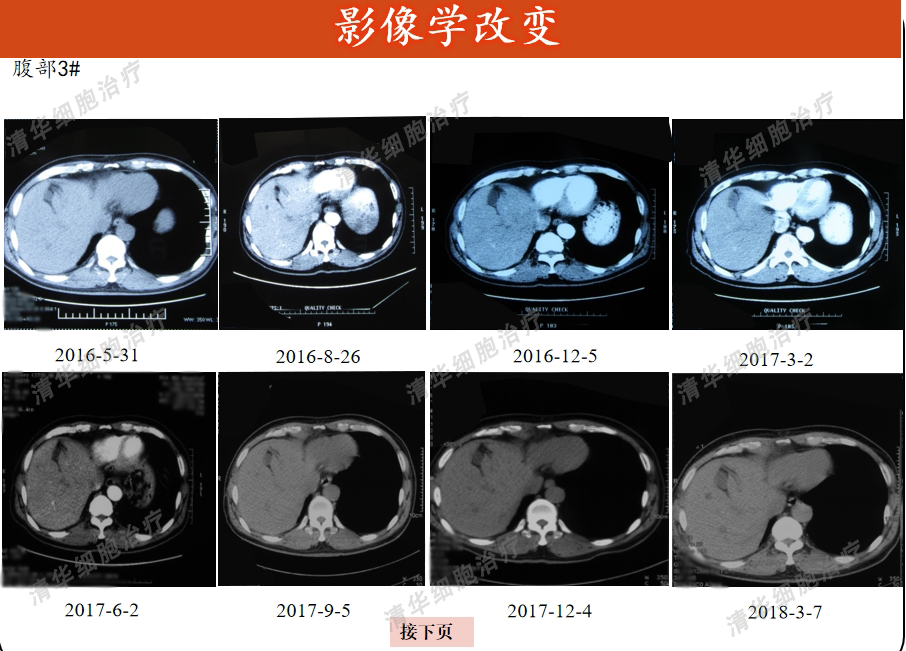
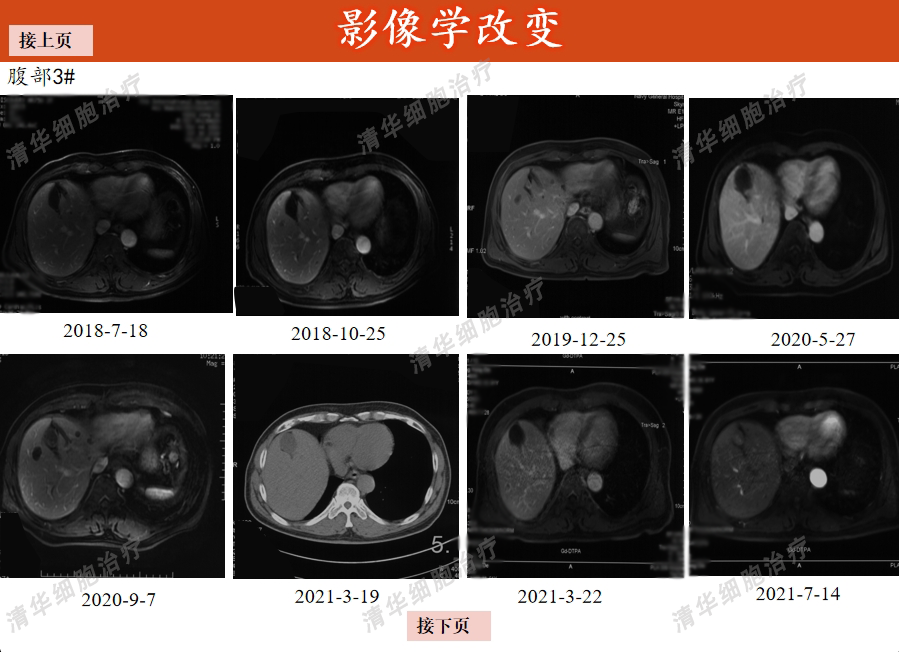
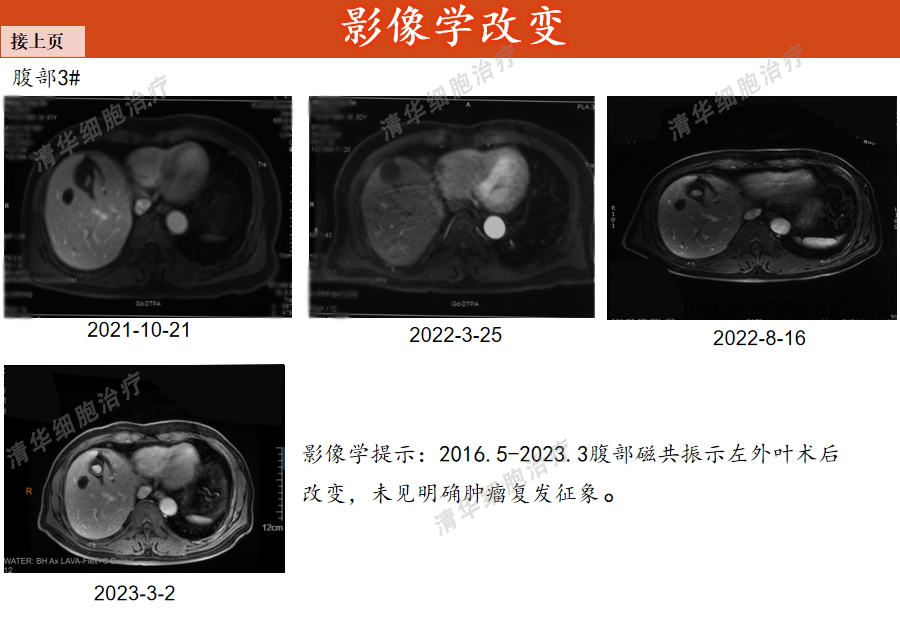
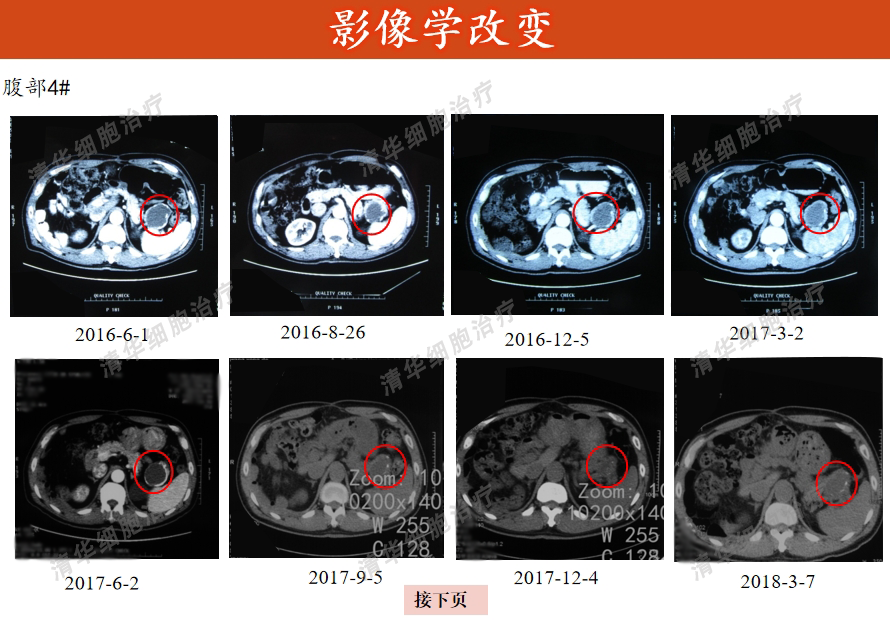
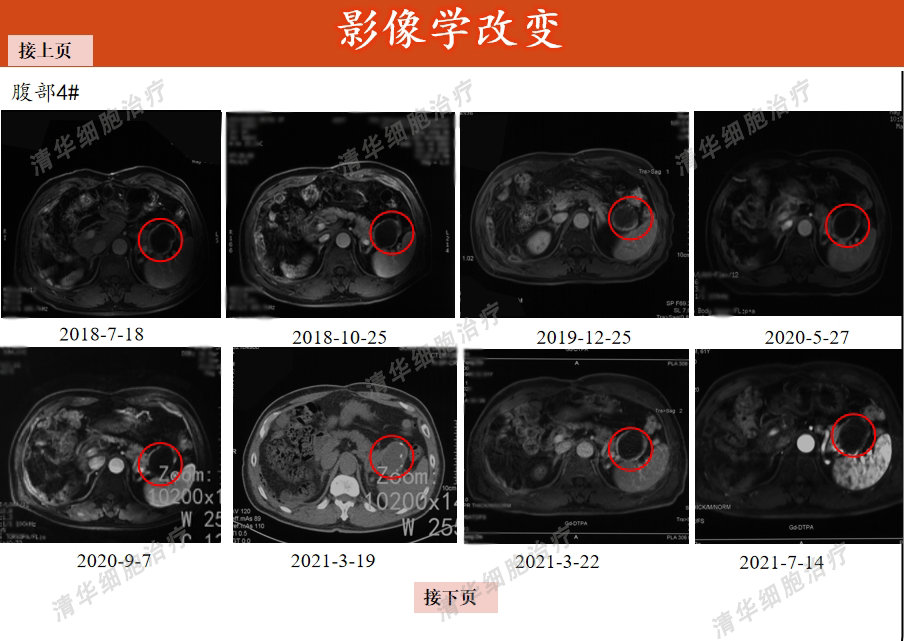
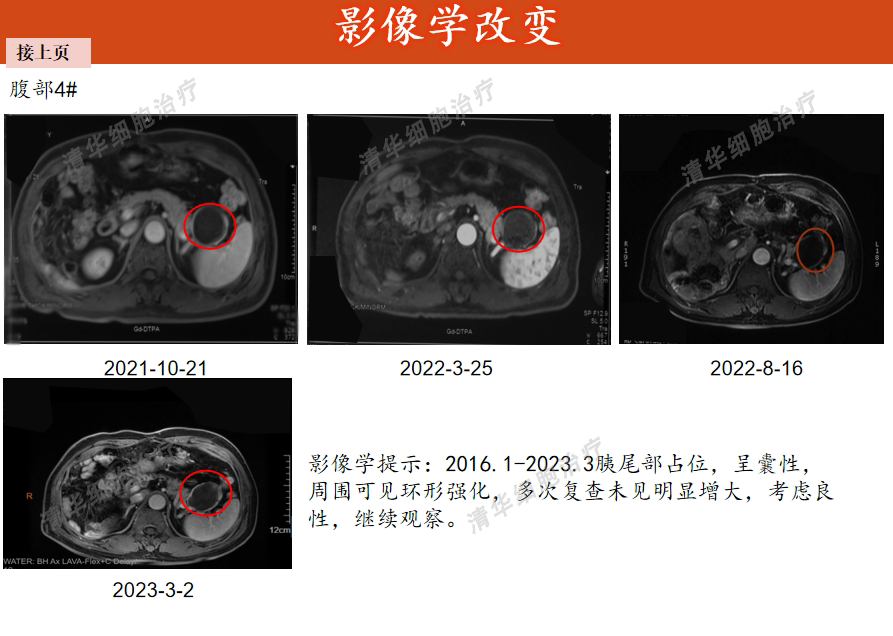
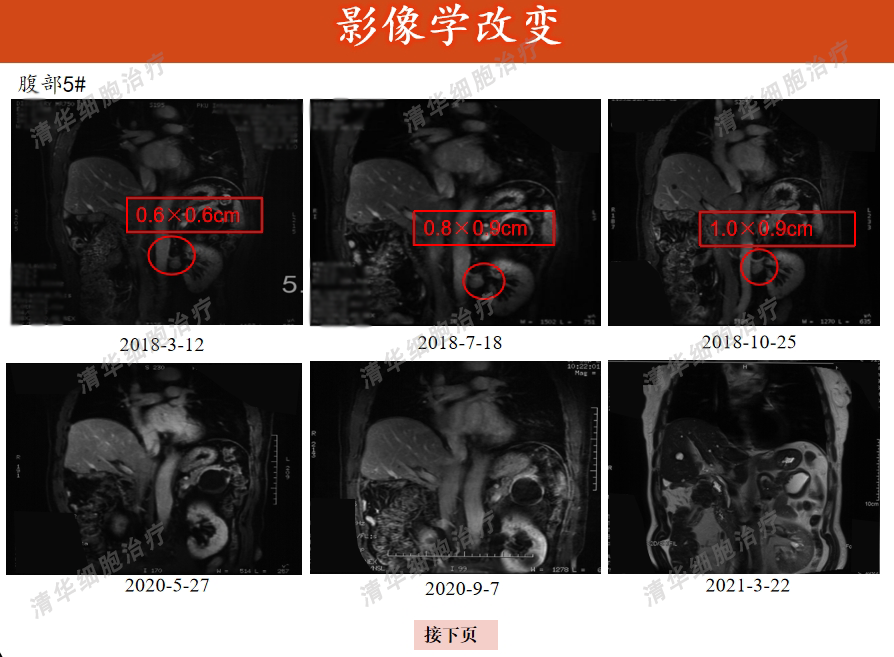
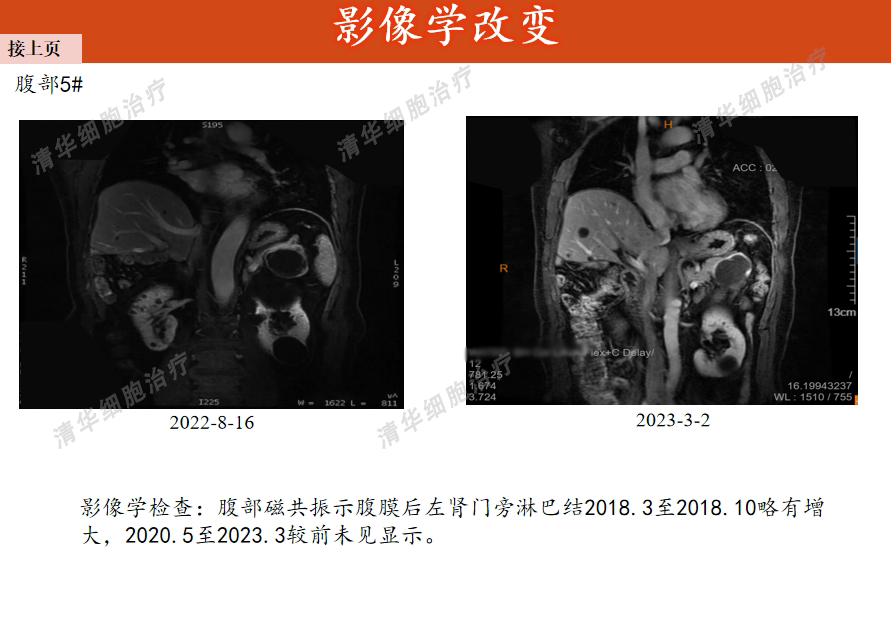
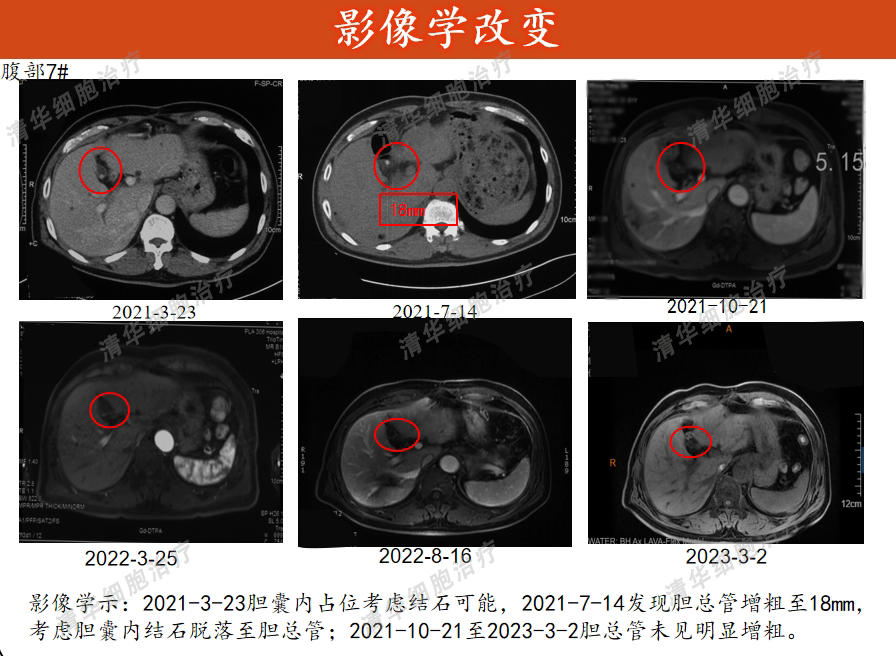
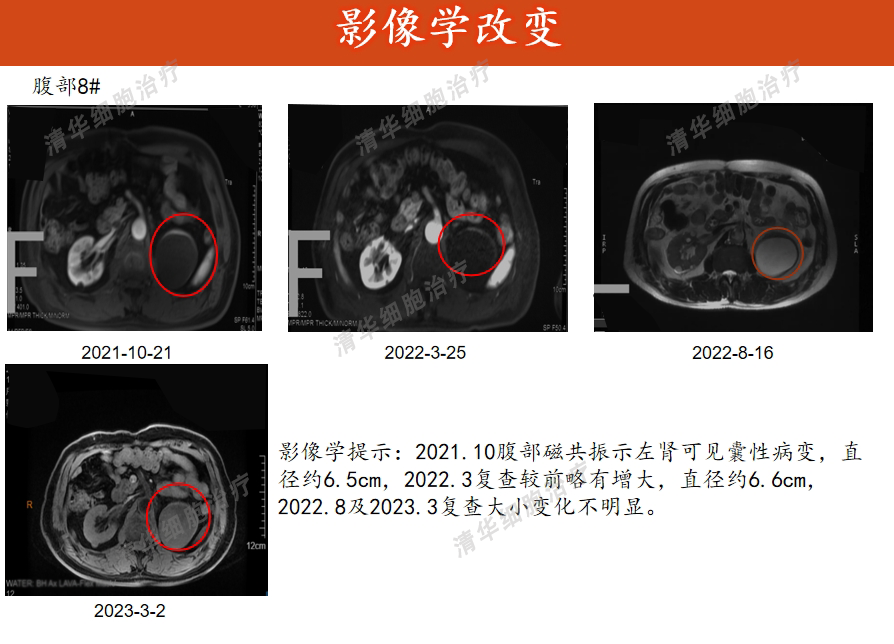
Tumor markers
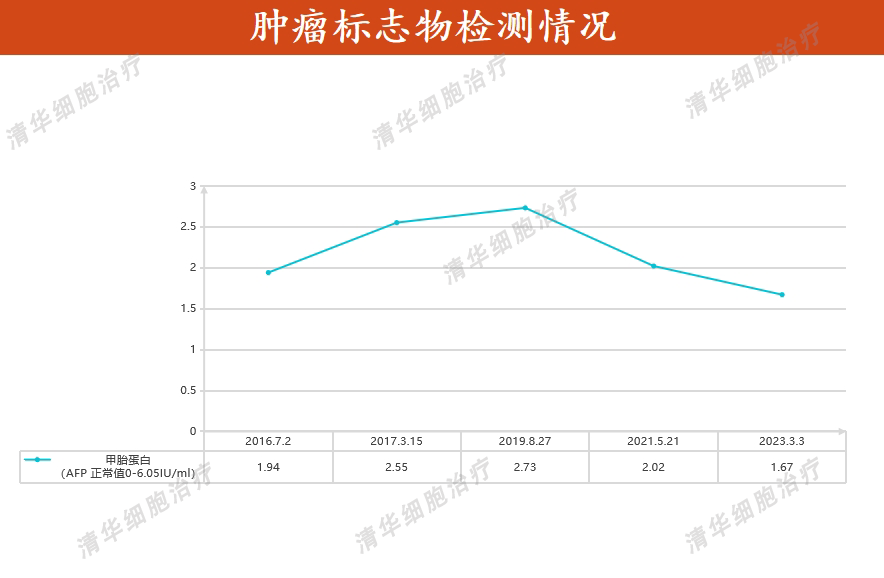
Tumor markers: AFP remained within the normal range during treatment; CA72-4 was within the normal range except in December 2016; CA19-9 was within the normal range except in March 2018 and February 2023, with the remaining values being above the normal range (41.6-74.7U/ml), requiring close observation; CEA was above normal (3.43-9.78) after August 2016, returned to normal after a recheck in May 2020 until March 2022, slightly above normal at 5.8U/ml in August 2022, and returned to normal in February 2023; CA153 was slightly above the normal range from October 2022 to March 2023, requiring recheck; CYFRA211 was slightly above normal on August 15, 2022, requiring recheck.
Conclusion and Comments
Reference:< H446>
【1】Feng JK, Sun JX, Liu ZH, Cheng SQ. Hepatocellular Carcinoma with Portal Vein Tumor Thrombus versus Hepatocellular Carcinoma with Biliary Tumor Thrombus: Better or Worse Prognoses? [Letter]. Cancer Manag Res. 2021; 13:987-988.
Click on the image

Address: Room 1101 (Unit 101), 11th Floor, Building 1, No. 7 Courtyard, Kexueyuan Road, Life Science Park, Changping District, Beijing
Phone:010-8265 9866
Email:lehemedneo@hotmail.com