Contact Us Careers
Hepatobiliary and Pancreatic Cancers

Adding this adjuvant therapy after surgery for cholangiocellular carcinoma can improve prognosis

时间:2026-04-22 人气:

If you can't understand the subsequent professional description, just take two minutes to read through this text

Overview of the condition


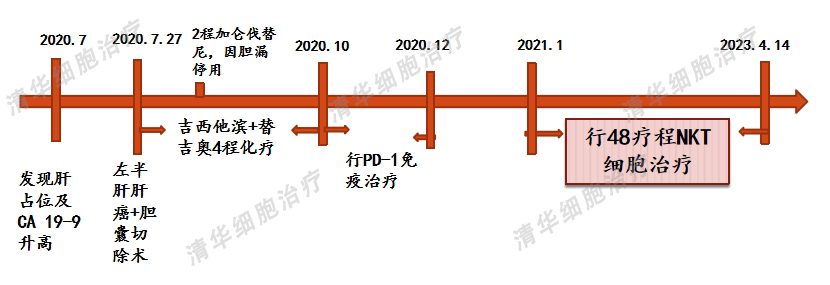
In July 2020, Ms. Zhang underwent a physical examination and discovered a liver lesion. Her tumor marker CA19-9 also increased to 1200U/ml (normal <40U/ml).
Subsequent examinations confirmed the diagnosis of hepatocellular carcinoma. On July 27, 2020, she underwent left hemihepatectomy and cholecystectomy. Postoperative pathology revealed poorly differentiated hepatocellular carcinoma with extensive necrosis in the left liver hemisphere. The tumor measured 6.0cm×5.0cm×4.0cm, with vascular invasion (+), and multiple lymph node metastases. Postoperative staging was T1N1MO, stage IIIB.
Following surgery, she received four cycles of gemcitabine and temozolomide chemotherapy. During the second cycle, lenvatinib was added but was discontinued due to biliary leakage. Subsequently, she underwent immunotherapy with pembrolizumab.
Department
Pu    
Small
   
Knowledge

Recognition


Hepatocellular carcinoma

Primary liver cancer includes two types: one is hepatocellular carcinoma originating from the liver, and the other is cholangiocarcinoma originating from the intrahepatic bile duct epithelium. Cholangiocarcinoma has a lower incidence rate (90% of primary liver cancer is hepatocellular carcinoma), and unlike hepatocellular carcinoma, it is more prone to lymph node metastasis.

The early symptoms of cholangiocarcinoma are not obvious, and the tumor marker AFP does not increase. Liver masses are often incidentally discovered during imaging examinations or when liver function becomes abnormal. Even if the tumor has grown significantly, many patients still do not exhibit any clinical symptoms, and the disease is often discovered at a late stage, leading to a poor prognosis. Therefore, regular screening for individuals aged over 45 with high-risk factors is helpful for the early diagnosis and timely treatment of cholangiocarcinoma.
 

Although Ms. Zhang underwent surgery to remove her tumor, multiple lymph node metastases were discovered during the procedure, indicating a high likelihood of tumor progression. This has caused Ms. Zhang great concern. Upon seeing a successful case of bile duct cell carcinoma treatment presented by Professor Zhang Minghui's NKT treatment team at Tsinghua University School of Medicine, she strongly desired to try this approach to reduce the risk of future metastasis and recurrence.
After reviewing Ms. Zhang's medical records, Professor Zhang Minghui made the following analysis and judgment:

1. The patient's physical examination revealed intrahepatic bile duct cell carcinoma, fortunately, it was discovered early, providing an opportunity for surgical treatment.
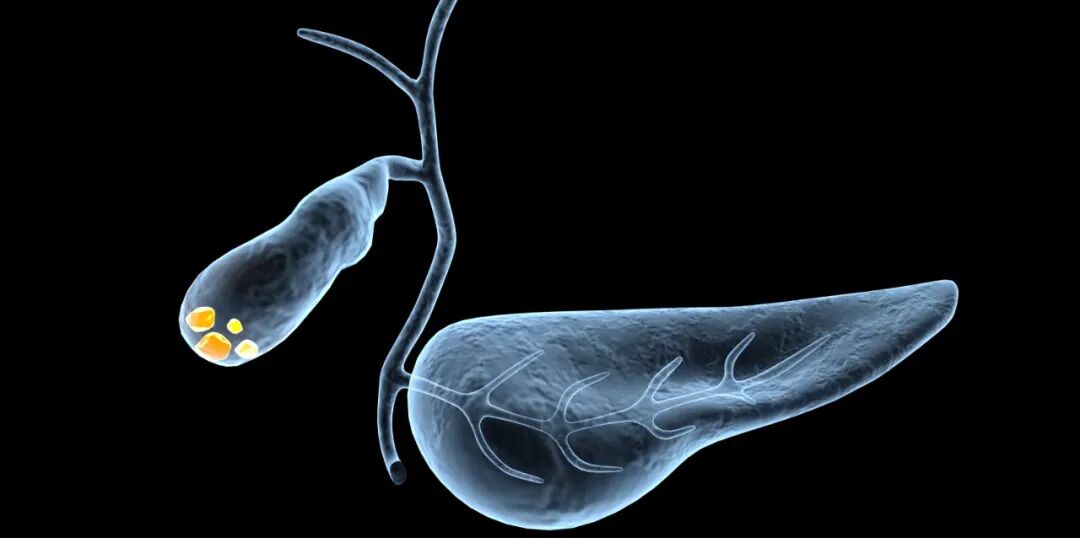
2. Bile duct cell carcinoma is highly malignant, and postoperative pathology indicated locally advanced stage with visible vascular thrombi, indicating a high risk of postoperative recurrence and metastasis.  
3. After completing routine chemotherapy, patients can eliminate some residual tumor cells to a certain extent. However, due to the patient's frail condition, the side effects and drug resistance of chemotherapy are not suitable for long-term treatment.  
4. NKT therapy is highly beneficial for patients as it offers long-term stability with minimal side effects and is very patient-friendly. It can be combined with the patient's current treatment with pembrolizumab, further reducing the risk of metastatic recurrence.  

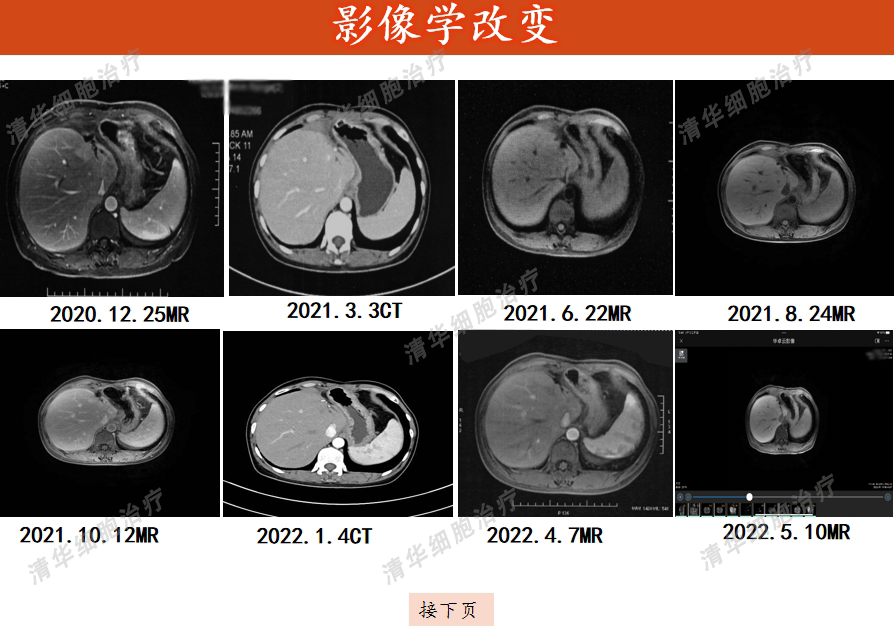
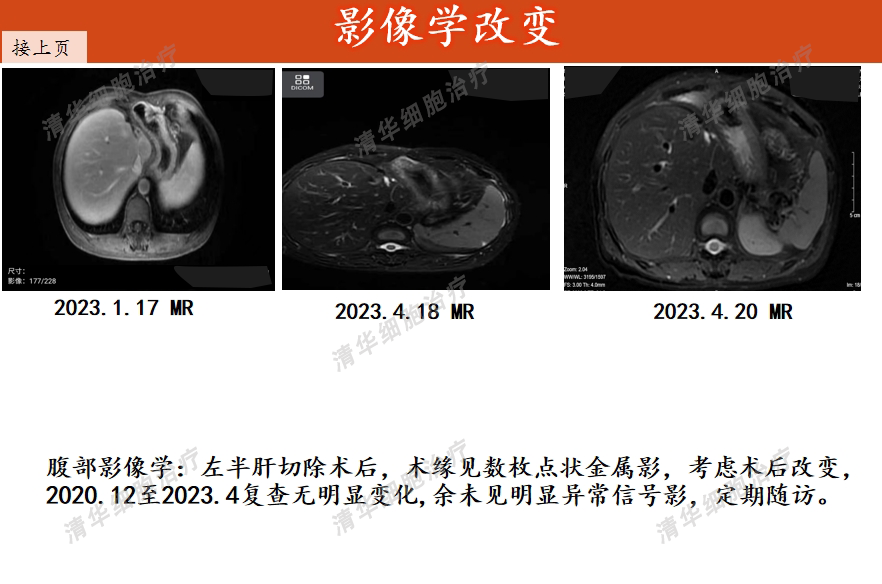
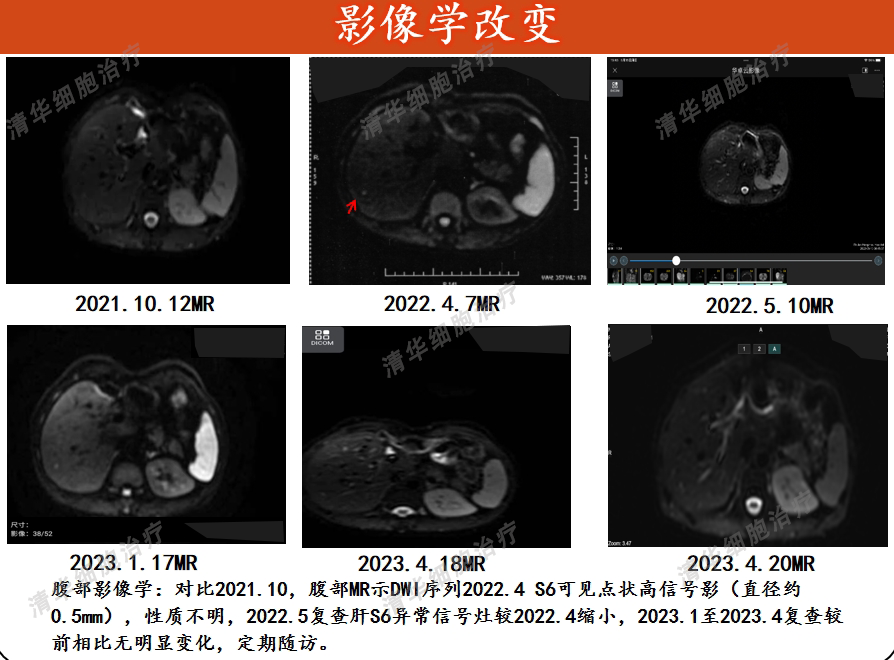
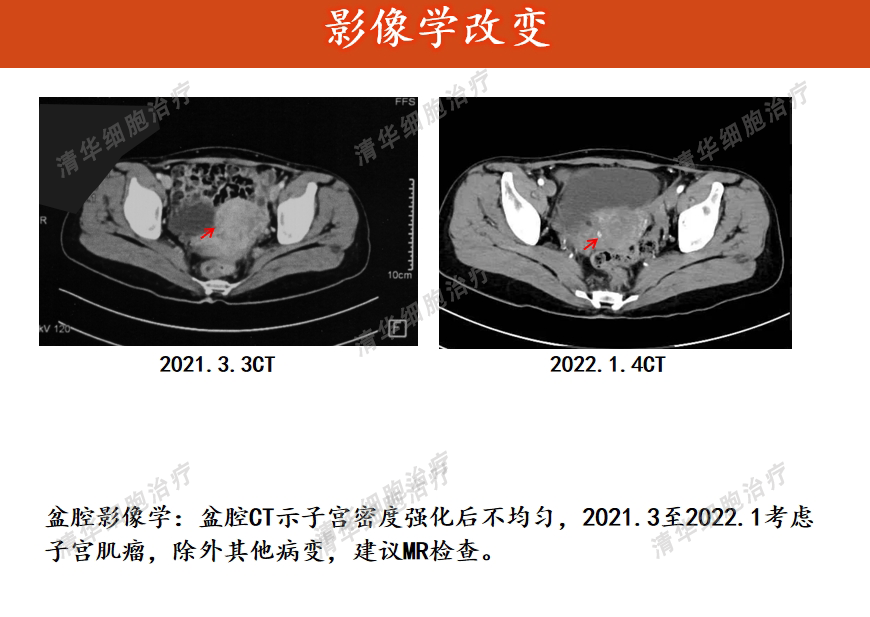
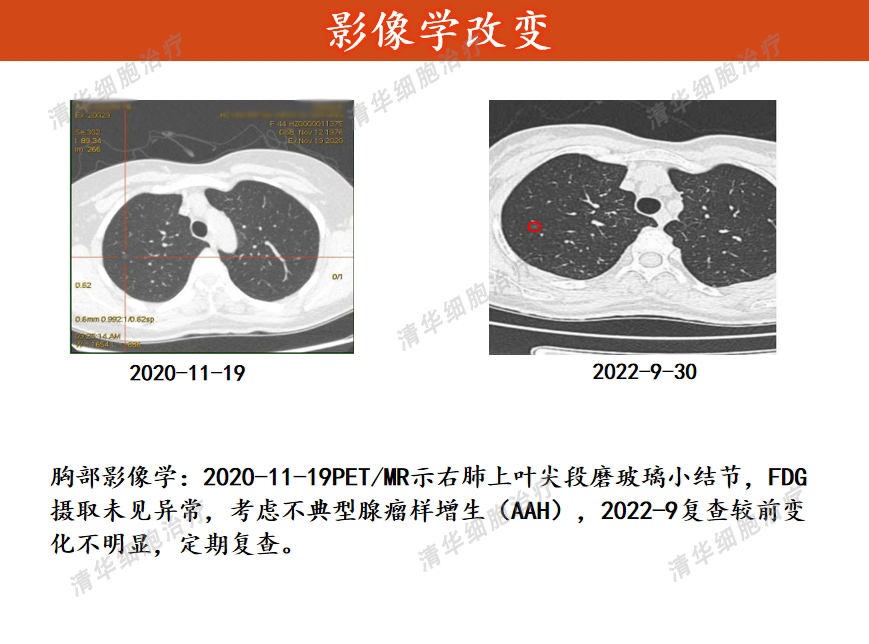
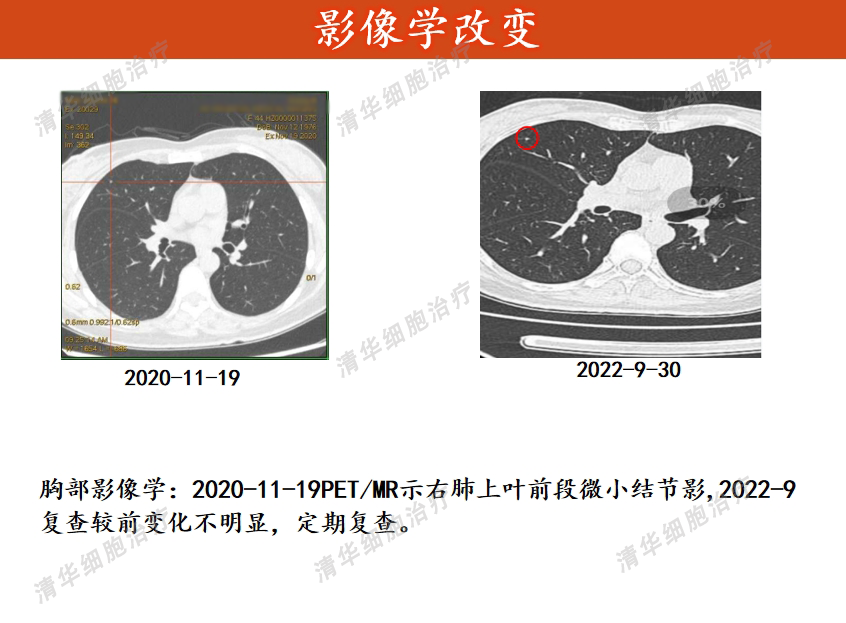
Ms. Zhang underwent NKT cell immunotherapy in January 2021 and has completed 48 courses so far (as of April 2023). No clear signs of disease progression were observed during the two imaging follow-ups conducted after the initiation of NKT treatment.


Image Aspects


Tumor markers
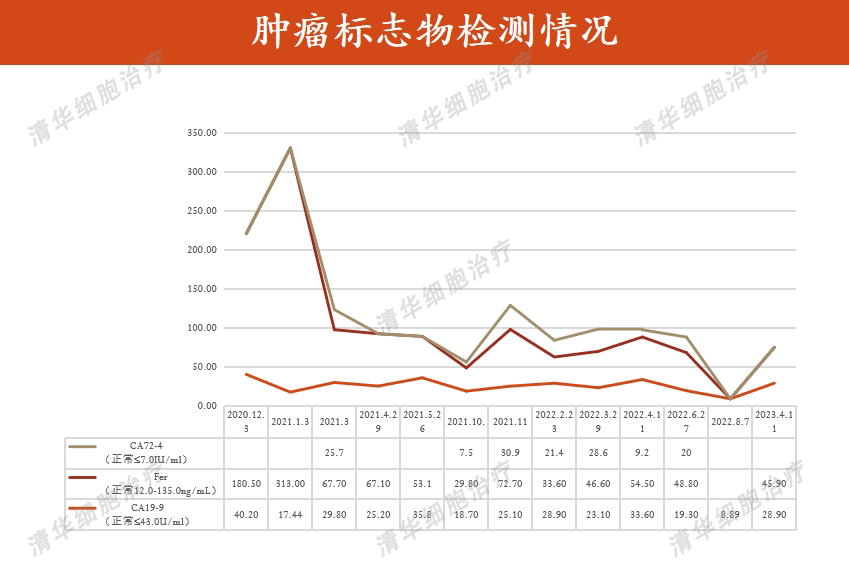
Month  
 
CA72-4: From March 2021 to April 2022, it was higher than the normal range, with intermittent increases, requiring close observation;
Fer: Increased from December 2020 to January 2021, and rechecked to be within the normal range from March 2021 to April 2023;
CA19-9: Rechecked to be within the normal range from December 2020 to April 2023, requiring close observation;
CEA, AFP, CA153, and CA125 showed no abnormalities in August 2022 and April 2023.


 Conclusion and Comments


Ms. Zhang's quality of life has been greatly improved. Her mental state is excellent, and she feels more energetic when doing things compared to the past, recovering to her pre-illness state. She leads a normal life and works without being affected by the disease.
After undergoing NKT cell therapy, Ms. Zhang achieved the expected results. More than a year has passed since the last evaluation, and the latest assessment result remains stable with no progression observed. Immunotherapy is considered one of the most promising directions in tumor treatment, and Ms. Zhang's case serves as a good illustration of this point.
A single-center retrospective cohort study was conducted on 215 eligible patients who underwent adjuvant therapy for postoperative bile duct cell carcinoma and prognostic factors of bile duct cell carcinoma , including 119 patients who received adjuvant therapy and 96 patients who did not receive postoperative adjuvant therapy. The median follow-up time was 37.5 months. The median overall survival (OS) for patients with bile duct cell carcinoma who received adjuvant therapy and those who did not was 45 months and 18 months, respectively (P< 0.001). The median disease-free survival (DFS) for patients who received adjuvant therapy and those who did not was 34 months and 8 months, respectively (P< 0.001). Adjuvant therapy after surgery can improve the prognosis of patients with bile duct cell carcinoma. In all scenarios, whether early or late stage, all data indicate that adjuvant therapy should be incorporated into the treatment of bile duct cell carcinoma as appropriate [1].
Ms. Zhang's tumor has a high degree of malignancy and a high risk of postoperative recurrence. However, with multiple treatment combinations, Ms. Zhang's condition has been stabilized for a long time. During this process, NKT cell immunotherapy plays an indispensable role in reducing the risk of recurrence and metastasis. It not only eliminates residual tumor cells, but also strengthens the immune system, thereby providing patients with long-term stability.
Popular science knowledge is for reference only, and individual patients should refer to clinical treatment.   

Reference:< H422>

【1】Sun Z, Han X, You W, Tang J, Xu J, Ye B, Li T, Zhang Y, Chen K, Ding Y, Wang W. Adjuvant therapy for cholangiocarcinoma after surgery and prognosis factors for cholangiocarcinoma: A single-center retrospective cohort study. Front Oncol. 2023 Mar 17; 13:1116338. doi: 10.3389/fonc.2023.1116338. PMID: 37007129; PMCID: PMC10063974.

Classic NKT Case Review

Click on the image

to view