Contact Us Careers
Hepatobiliary and Pancreatic Cancers

Pancreatic cancer has a high recurrence rate and poor prognosis, and combined cell therapy can improve survival

时间:2026-04-22 人气:

If you cannot understand the subsequent professional descriptions, you can finish reading this text in two minutes.

Overview of the disease


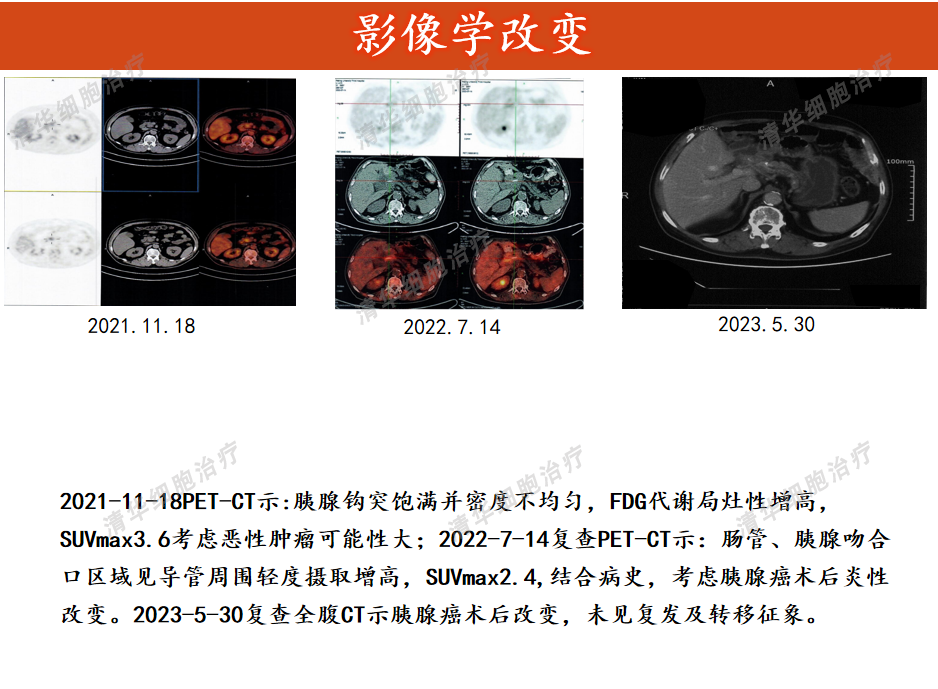
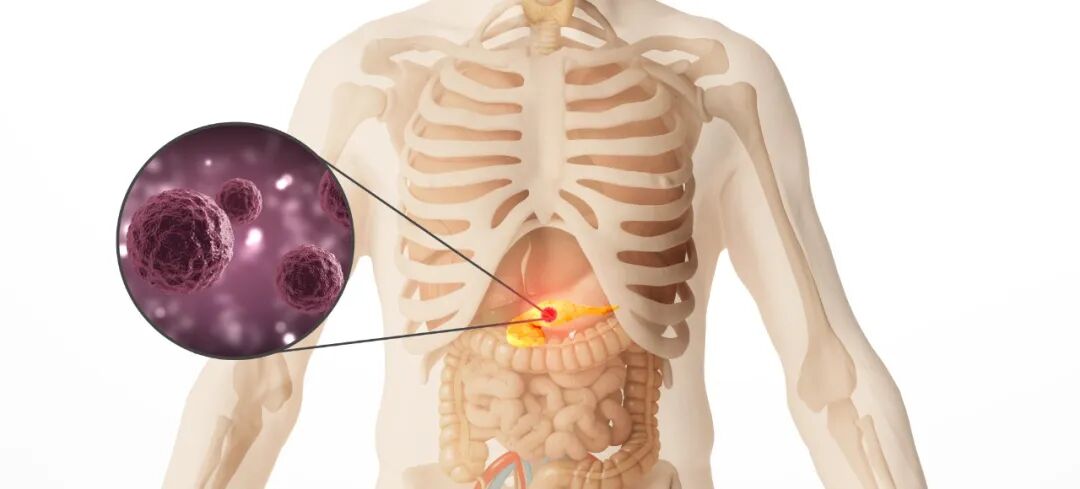
In 2021, Mr. Li presented with abdominal distension and underwent a CT scan of the abdomen, which revealed a slightly high-contrast nodule with a size of approximately 27mm*24mm in the pancreatic uncinate process. Further examination suggested a malignant tumor: pancreatic cancer.
In December 2021, the patient underwent robotic pancreaticoduodenectomy. Postoperative pathology revealed moderately differentiated ductal adenocarcinoma in the pancreatic uncinate process, with focal mucinous adenocarcinoma. The tumor measured 2.5cmx1.5cmx1.5cm, invading surrounding soft tissue and affecting nerves. Immunohistochemical results were as follows: PD-L1 (SP263) (CPS:5), Ki-67 (+30%), HER-1 (EGFR) (+), MLHI (+80%), MSH2 (+90%), MSH6 (+90%), PMS2 (+90%).
From March to May 2022, the patient underwent three cycles of chemotherapy with the regimen of albumin paclitaxel + temozolomide + cetuximab.
Department
Pu
small
Knowledge
   

knowledge


Robot-assisted Pancreatoduodenectomy (RPD)

Pancreatoduodenectomy is a complex and challenging surgery. Early minimally invasive pancreatoduodenectomy failed to successfully transition into a commonstandard surgical approach. In 2001, the Guilianotti team completed the first RPD, and in 2003, they published a clinical study on 8 cases of RPD, demonstrating the safety and feasibility of RPD. The advantage of robotic surgical systems in pancreatoduodenectomy lies in the stability and precision of local anatomy. Due to the magnified surgical field and stable manipulation, for some resectable tumors with vascular invasion at the junction, it is possible to easily perform intravascular and extravascular dissection to achieve the required anatomical level, achieving R0 resection of the tumor, and even combined vascular resection and reconstruction, greatly improving the radical resection rate of malignant tumors. At the same time, robotic surgical systems are more adept at handling arterial or venous bleeding, enabling rapid hemostasis and thus significantly reducing the rate of conversion to open surgery. RPD has significant advantages in terms of operation time, intraoperative blood loss, and hospital stay, while also improving patient survival rates. It is an effective treatment method.


Mr. Li completed surgery and postoperative chemotherapy, but pancreatic cancer is the king of cancers, with an extremely high recurrence rate and poor prognosis. Mr. Li is very worried about this. After learning from various sources, Mr. Li and his family, recommended by friends, learned about Professor Zhang Minghui's vNKT technology at Tsinghua University School of Medicine, and carefully reviewed the demonstration cases of vNKT cell therapy, particularly hoping to try it to reduce the risk of tumor recurrence and delay the occurrence of recurrence/metastasis.
After reviewing Mr. Li's medical records, Professor Zhang Minghui made the following analysis and judgment:
1. The patient has moderately differentiated ductal adenocarcinoma of the pancreas, with cancer tissue invading the surrounding soft tissues of the pancreas and nerve invasion observed.  

2. Pancreatic cancer is a type of gastrointestinal tumor with extremely poor prognosis. Pathological examination of patients reveals the presence of surrounding soft tissue and nerve invasion, indicating a high risk of postoperative recurrence.

3. vNKT therapy utilizes powerful immune cells to eliminate tumor cells that may remain undetected in the body, with essentially no side effects. On the basis of conventional treatment, vNKT therapy can effectively reduce the risk of tumor recurrence and delay the occurrence of recurrence/metastasis.
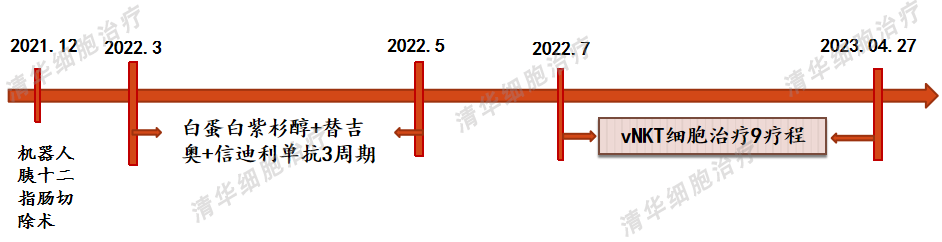
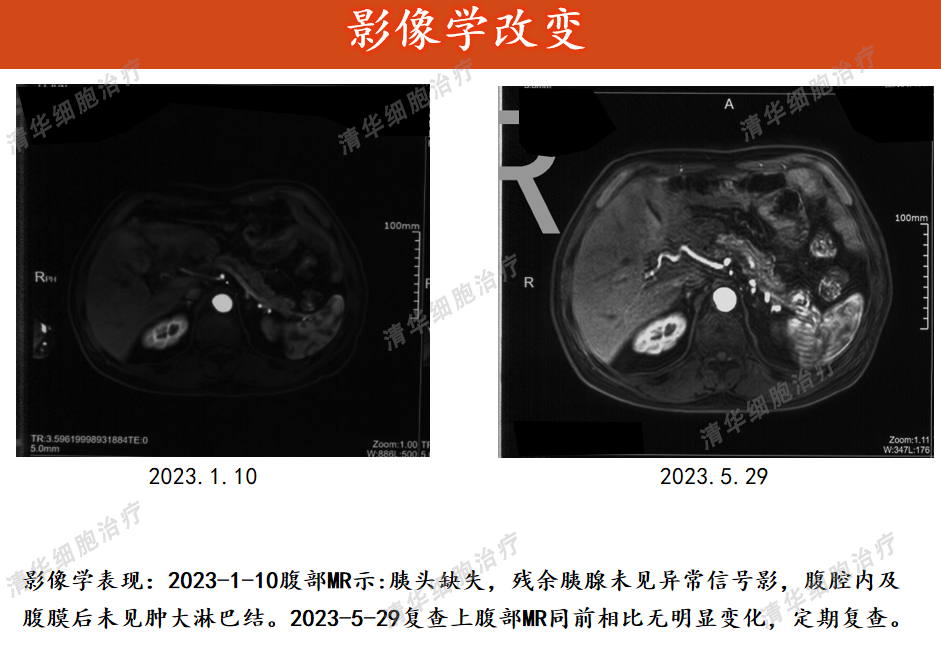
Mr. Li decided to undergo vNKT cell immunotherapy in July 2022, with an initial regimen of one course per month. As of April 2023, nine courses have been completed, and no significant signs of progression have been observed during periodic follow-up examinations.


Image aspect


Tumor markers

Month

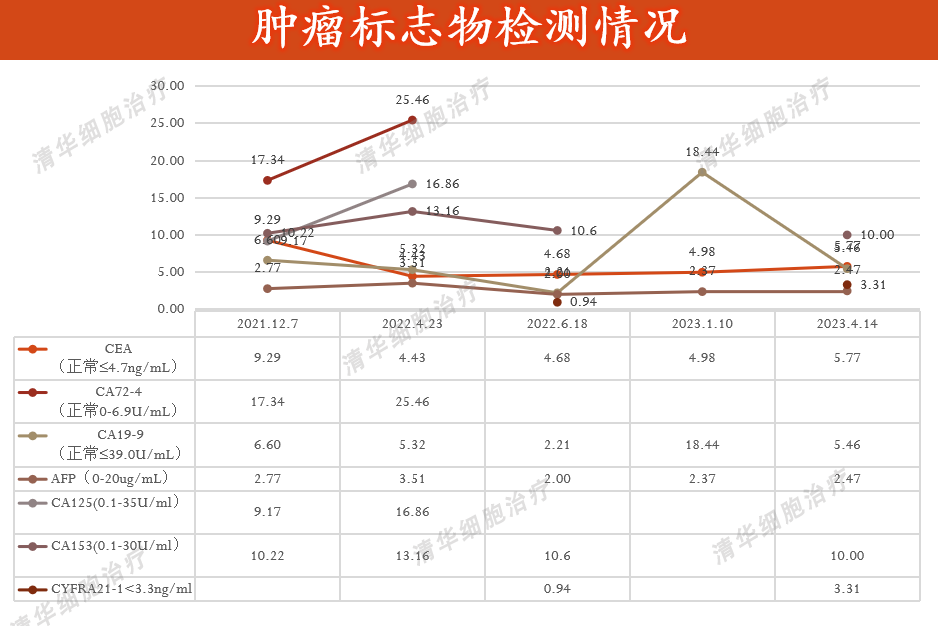
CEA: Above normal in December 2021, returned to normal range after reexamination from April 2022 to January 2023, and exceeded normal range again in April 2023. Monitor closely.

CA724: Showed an increasing trend from December 7, 2021, to April 23, 2022. Not tested for this indicator after June 2022. Pay attention to reexamination.

CYFRA21-1: Within normal range during reexamination in June 2022, but exceeded normal range in April 2023. Pay attention to reexamination.

The remaining indicators, CA199, AFP, CA125, and CA153, were within normal range from December 2021 to April 2023.


 Conclusion and Comments

Mr. Li achieved the expected results after undergoing vNKT cell therapy, and his mental state is excellent. He feels more energetic and vigorous than before, returning to his pre-illness state. His normal life and work have not been affected by the disease.
For pancreatic cancer, the worst-prognosis gastrointestinal tumor, after more than half a year of treatment, the current follow-up assessment result is stable with no progression observed. Immunotherapy is considered one of the most promising directions in tumor treatment, and Mr. Li's case serves as a good illustration of this.
Pancreatic cancer is one of the leading causes of cancer-related deaths in developed countries and one of the deadliest malignancies globally. Its prognosis can be poor, and accurately predicting the prognosis is important for patients and clinicians in the management of pancreatic cancer. The surgical approach and prognosis of pancreatic cancer vary depending on the tumor location. Some scholars believe that due to delayed diagnosis, the prognosis of pancreatic body and tail cancer is worse. Studies on patients with pancreatic cancer have found that due to the higher proportion of resectable cases in head/uncinate process tumors, the overall prognosis is better than that of pancreatic body/tail cancer. Among patients who underwent radical resection, there are more T1/T2 stage tumors in pancreatic head/uncinate process cancer.
Mr. Li underwent surgery for pancreatic cancer, and despite undergoing multiple chemotherapy and targeted therapy, pancreatic cancer, the deadliest malignancy globally, should still not be taken lightly. Combined multi-regimen therapy with vNKT cells can effectively improve patients' quality of life and survival period.

Reference:< H351>

【1】Lee, Mirang, Wooil Kwon, Hongbeom Kim, Yoonhyeong Byun, Youngmin Han, Jae Seung Kang, Yoo Jin Choi, and Jin-Young Jang. 2020. "The Role of Location of Tumor in the Prognosis of the Pancreatic Cancer" Cancers 12, no. 8: 2036.


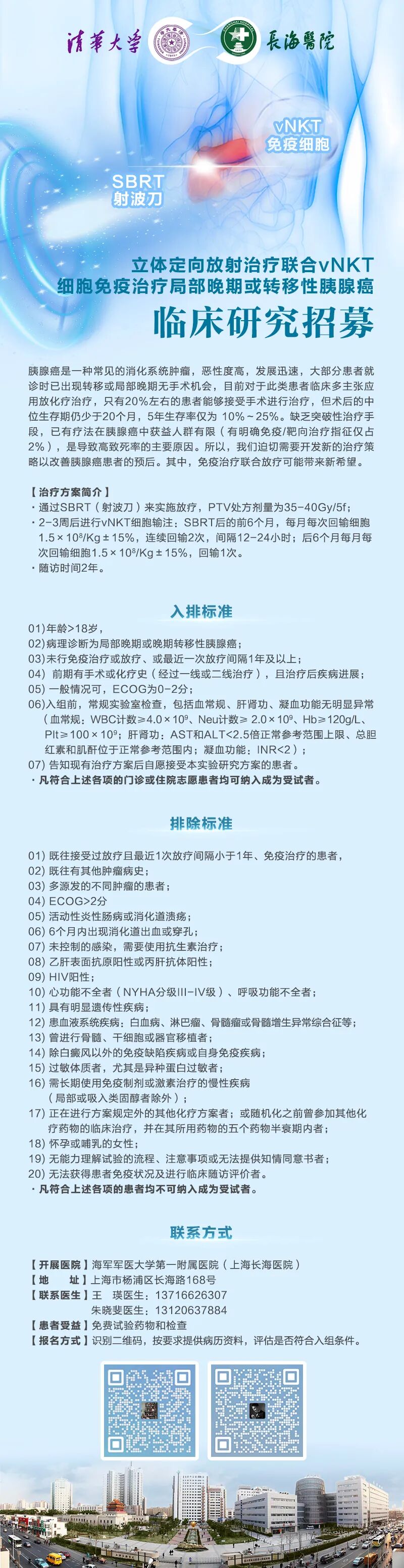
【 Recruitment of patients] Clinical study of locally advanced or metastatic pancreatic cancer< H370>

NKT Classic Case Review

Click on the image

to view< H398>