About Lehe
乐于心,和与众,与己乐,与人和; 心宽念纯,百病无生。


乐于心,和与众,与己乐,与人和; 心宽念纯,百病无生。


If you can't understand the subsequent professional descriptions, just take two minutes to read through this text
Overview of the condition
Knowledge
The CTNNB1 gene encodes β-catenin protein, which plays a crucial role in the construction and maintenance of epithelial cell layers by regulating cell growth and cell-cell adhesion. Simply put, the protein encoded by the CTNNB1 gene is responsible for regulating cell proliferation and division. Mutations in this gene may lead to uncontrolled cell division, ultimately resulting in the development of tumors.
The EGFR gene is a type of gene that expresses epidermal growth factor receptors and is also responsible for regulating normal cell division and proliferation. However, mutations in certain circumstances can lead to the development of tumors, with a higher incidence rate in non-smoking female lung adenocarcinoma.

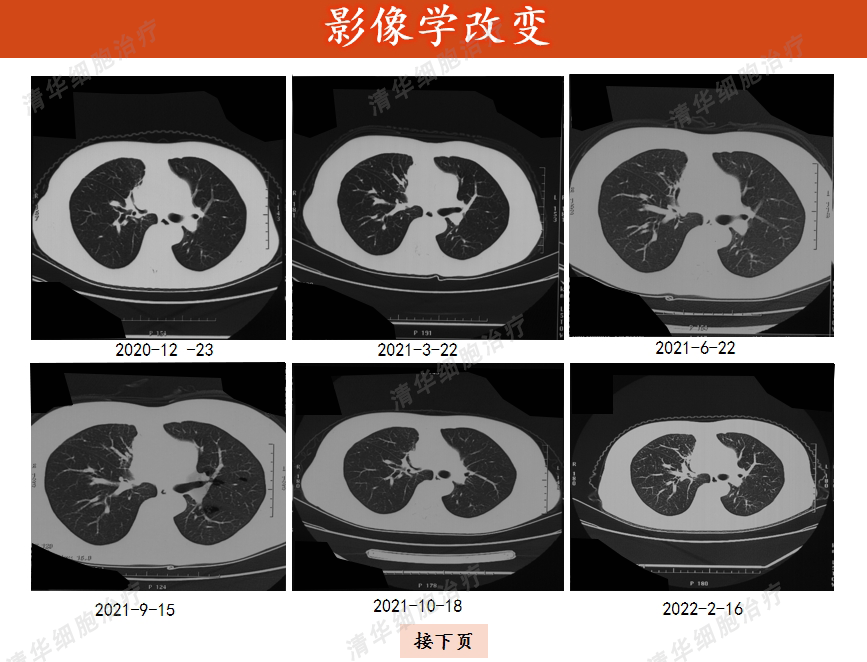
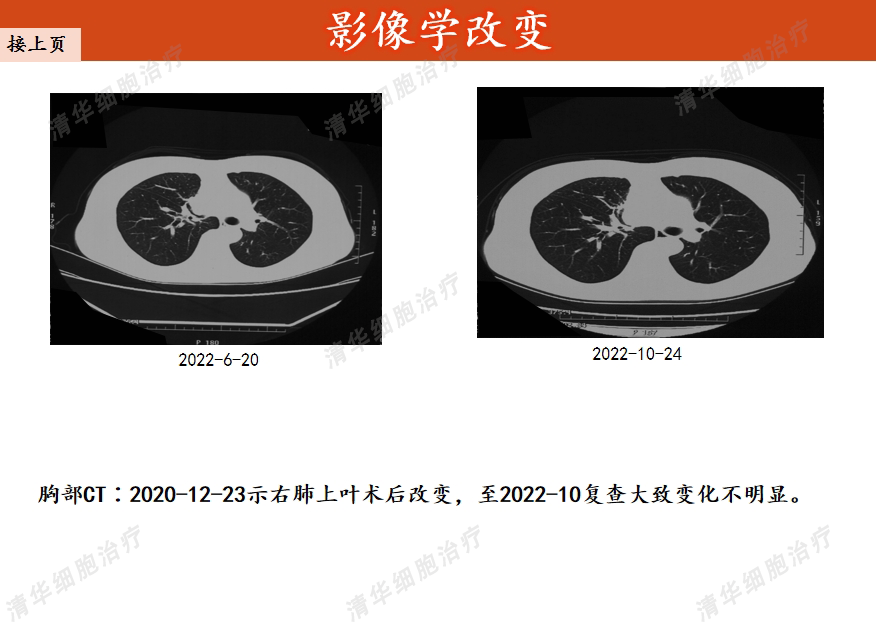
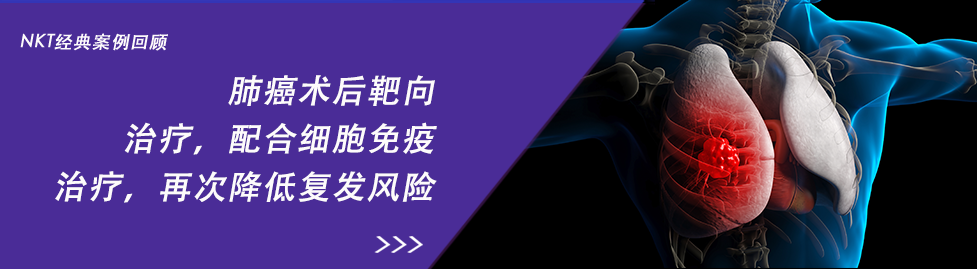
1. The patient was diagnosed with lung cancer in 2020 and underwent surgical treatment. The tumor was large and had lymph node metastasis, indicating a late stage.
2. In addition to the late stage, pathological findings revealed tumor involvement of the bronchial wall and pleura, as well as intrapulmonary dissemination, which greatly increased the probability of future recurrence and metastasis.
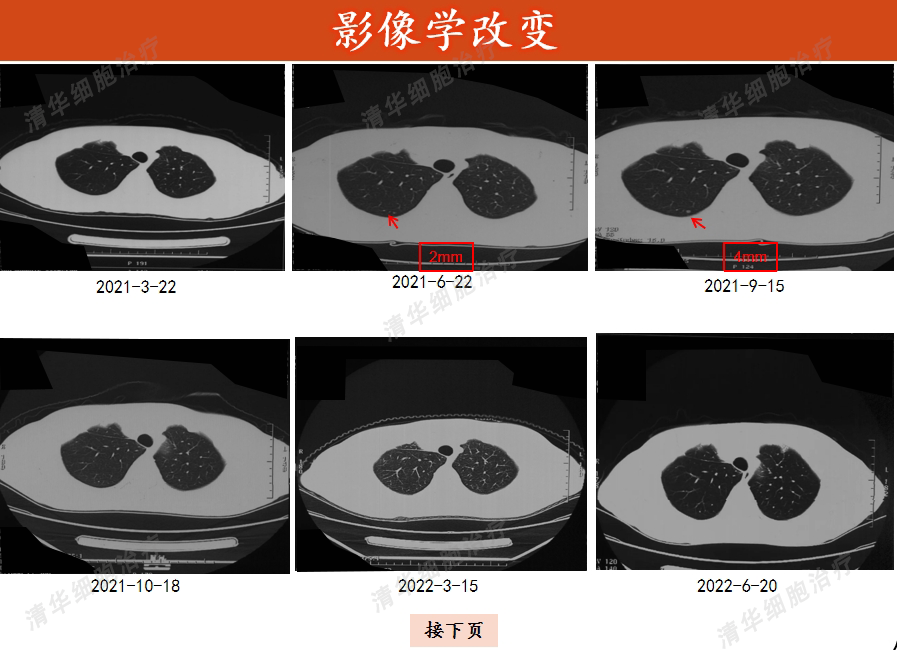
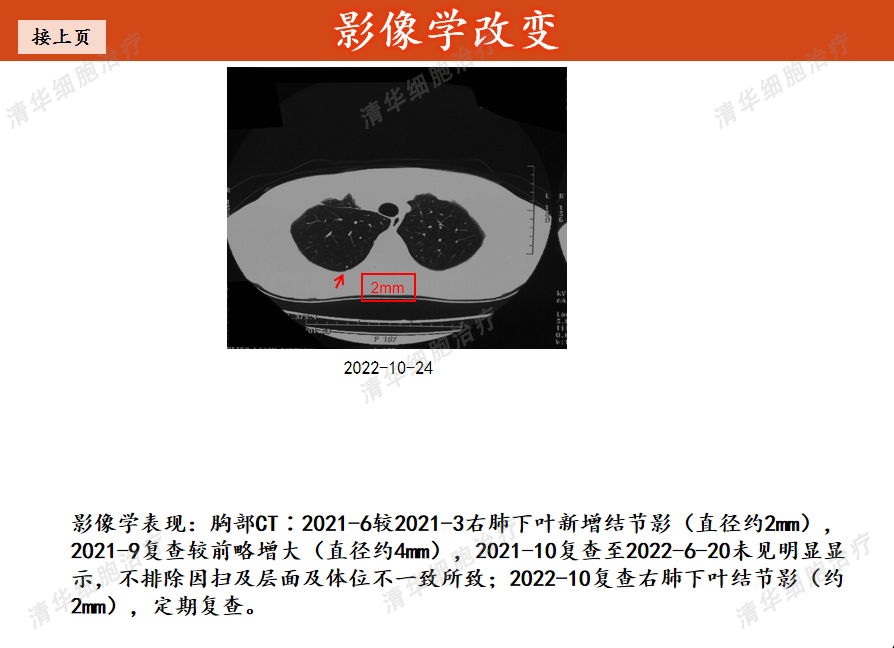
3. The patient discovered a gene mutation and underwent targeted drug therapy, but new lesions still appeared in the second year, suggesting that the original targeted drug had developed resistance. The patient switched to Amidronate.
4. NKT therapy utilizes powerful immune cells to eliminate tumor cells that may remain undetected in the body. It has essentially no side effects, and when combined with surgery, NKT cell therapy can effectively inhibit tumor growth, prolong survival, and improve quality of life.
Imaging
Conclusion and Comments
Reference:< H306>
【1】Wu SG, Shih JY. Management of acquired resistance to EGFR TKI-targeted therapy in advanced non-small cell lung cancer. Mol Cancer. 2018 Feb 19; 17(1):38. doi: 10.1186/s12943-018-0777-1. PMID: 29455650; PMCID: PMC581780.
Click on the image
Address: Room 1101 (Unit 101), 11th Floor, Building 1, No. 7 Courtyard, Kexueyuan Road, Life Science Park, Changping District, Beijing
Phone:010-8265 9866
Email:lehemedneo@hotmail.com