Leave your message or request below and we will get back to you as soon as possible.
vNKT clinical trial · patient screening form
We are conducting a clinical study on vNKT immunotherapy. This form is for preliminary screening only; saving it does not mean enrollment. Information is used for screening only; separate informed consent will be signed before formal enrollment.
Part 1: Basic information
2. Sex
years
4. Nationality
Part 2: Disease and medical history
9. Treatments received (multiple choice)
10. Performance status (ECOG reference)
Part 3: Initial screening criteria
11. Are you 18 years of age or older?
12. Are you willing to participate and able to sign informed consent?
13. Known severe allergy, especially to biological products or monoclonal antibodies?
14. Active, uncontrolled severe infection (e.g. HBV, HCV, HIV, syphilis)?
15. Severe uncontrolled cardiac disease (e.g. NYHA III–IV), lung disease, or other major organ dysfunction?
16. Active autoimmune disease or need for systemic immunosuppression?
17. Pregnant or breastfeeding?
18. Participated in another drug or device trial within the past 6 months?
Part 4: Self-report and additional information
20. What do you hope to achieve through this immunotherapy study? (multiple choice)
Tip: For extensive records, you may contact the clinical study coordinator to submit pathology, imaging, or discharge summaries.
Combined NKT cell therapy breaks the survival curse of "small cell lung cancer"
时间:2026-04-22 人气:
If you cannot understand the subsequent professional description, you can finish reading this text in two minutes
Overview of the condition
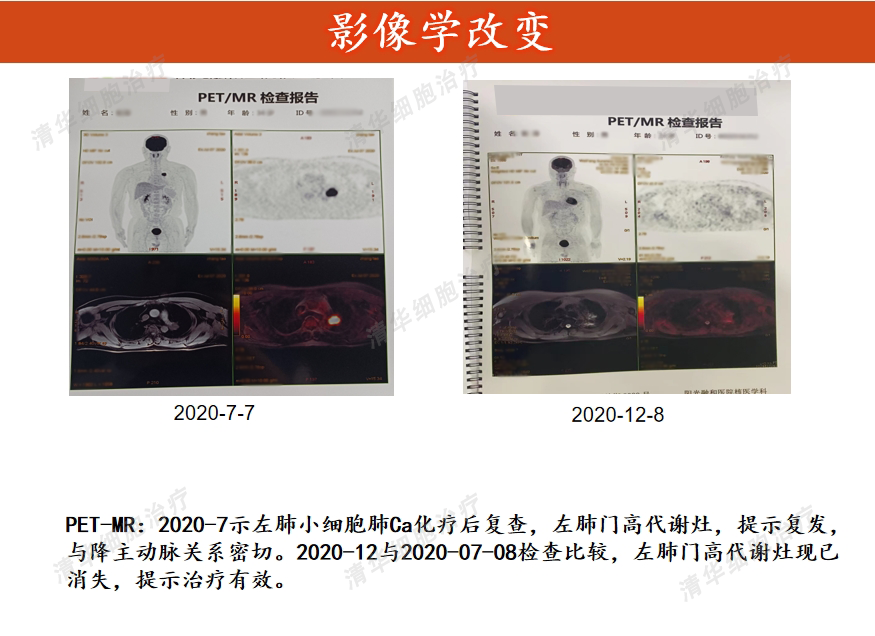
In September 2019, Mr. Zhang experienced recurrent coughing and expectoration without any apparent cause for over half a month. He visited a local hospital and underwent a chest CT scan, which revealed a left lung lesion and enlarged mediastinal lymph nodes, with involvement of the left pulmonary artery. The pathology of the new growth in the left upper lobe bronchus indicated small cell lung cancer. Due to the uniqueness of small cell lung cancer, surgical intervention is less effective, and thus, Mr. Zhang did not undergo surgery or radiotherapy. From October 2019 to February 2020, he received 5 cycles of chemotherapy with cisplatin 40mg on days 1-3 and etoposide 40mg on days 1-5. Subsequently, he underwent 2 cycles of chemotherapy with cisplatin 40mg on days 1-3 and etoposide 0.1g on days 1-5. In July 2020, a follow-up PET-MR scan showed high metabolic activity in the left hilar region, indicating recurrence. Local cyberknife treatment was administered, and the patient reported a treatment regimen of 7Gy/fraction, administered over 7 fractions, accompanied by one cycle of IP (irinotecan + cisplatin) chemotherapy. Department Pusmall Knowledge
Recognition
Small cell lung cancerCommon types of lung cancer include squamous cell carcinoma, adenocarcinoma, and small cell lung cancer. Previous articles have mentioned the main differences between squamous cell carcinoma and adenocarcinoma. Adenocarcinoma often exhibits gene mutations, and targeted therapy can be adopted after gene testing is confirmed. Small cell lung cancer is relatively rare compared to squamous cell carcinoma and adenocarcinoma, but it is extremely malignant. The preferred treatment option for most tumors is surgical resection, but for small cell lung cancer, due to its high malignancy, chemotherapy plus radiotherapy is generally chosen. Small cell lung cancer is highly sensitive to chemotherapy and radiotherapy, and can often achieve significant effects in the early stage, but most patients eventually experience metastasis and diffusion. Almost all patients with small cell lung cancer have a tendency towards systemic diffusion at the time of diagnosis, and surgical resection is only performed in a very small number of patients with limited-stage disease. The prognosis for this type of tumor is extremely poor, and systemic chemotherapy can prolong survival.
Lung small cell carcinoma is extremely malignant, and Mr. Zhang still experienced progression after multiple rounds of chemotherapy. In order to achieve long-term stability and prolong his survival, Mr. Zhang turned to Professor Zhang Minghui's team. After reviewing Mr. Zhang's medical records, Professor Zhang Minghui made the following analysis and judgment:
1. The patient was diagnosed in 2019 and did not undergo surgical treatment due to a specific pathological type.
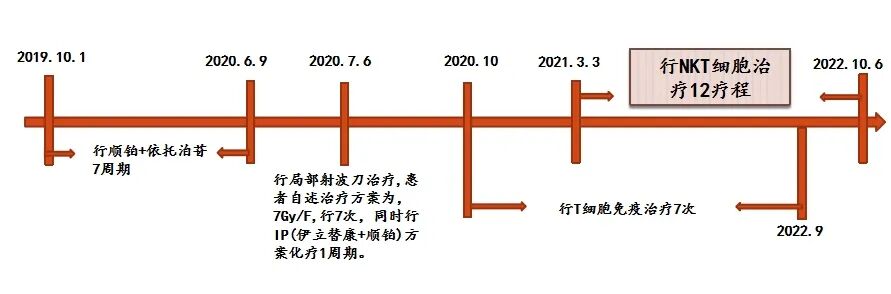
2. The patient completed multiple rounds of chemotherapy but still relapsed, and local cyberknife treatment reduced the tumor burden. 3. Small cell lung cancer has a high degree of malignancy, and it is difficult to control tumor progression with conventional treatment alone. NKT therapy utilizes powerful immune cells to eliminate tumor cells that may remain undetected in the body, and it has essentially no side effects. Combining conventional treatment with NKT cell therapy can effectively inhibit tumor growth, prolong survival, and improve quality of life.
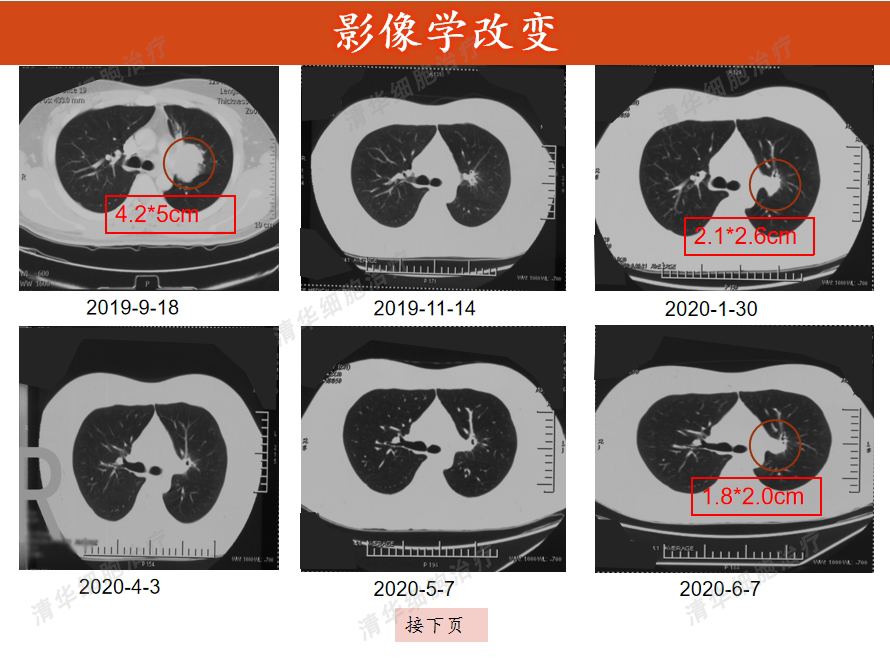
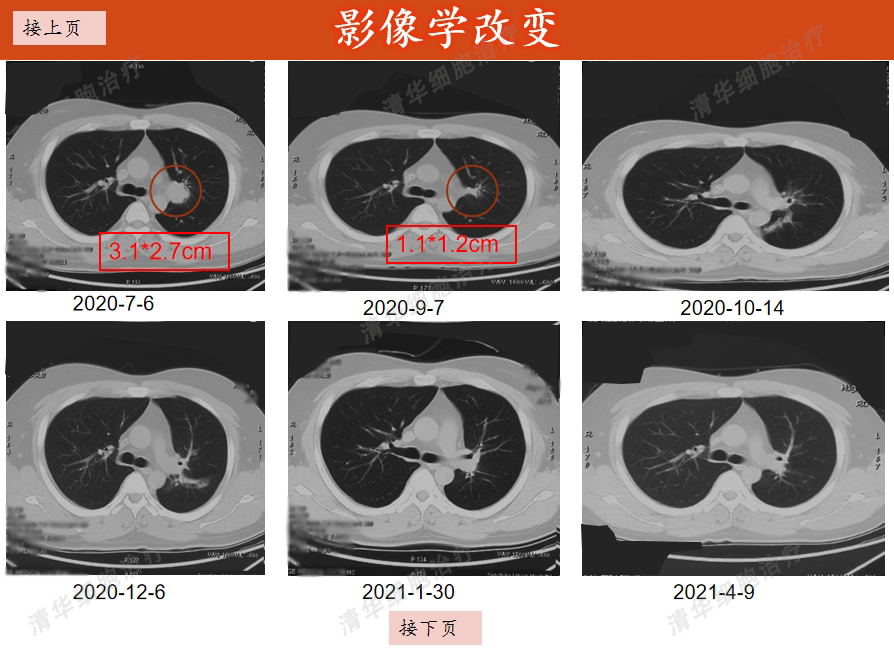
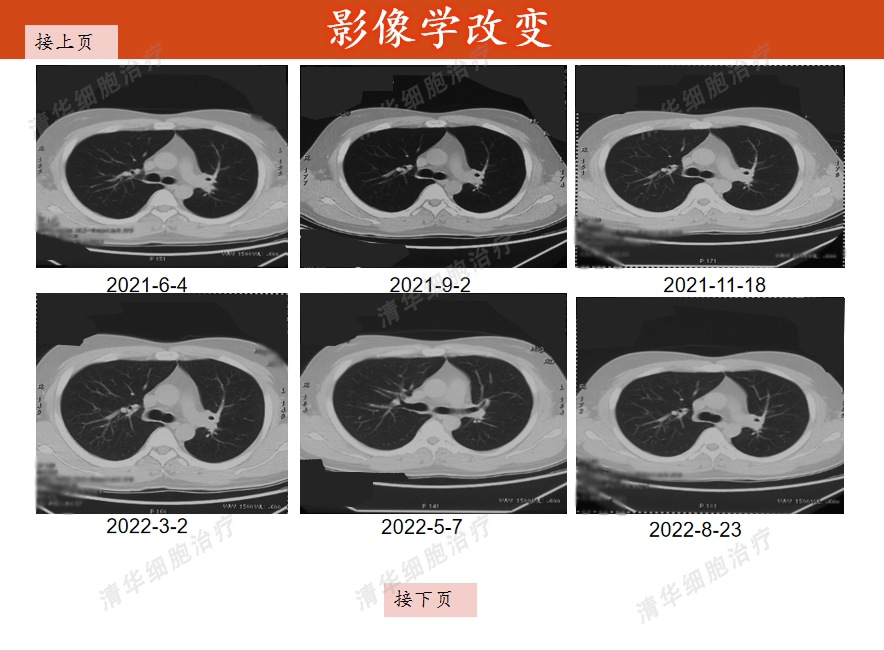
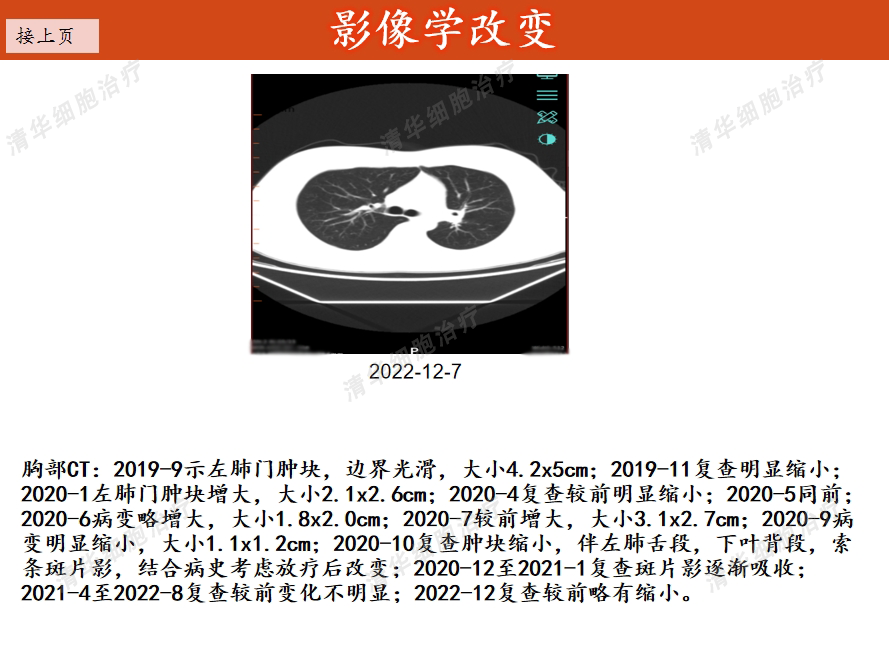
In March 2021, Mr. Zhang commenced NKT cell therapy, and by October 2022, he had undergone 12 courses of treatment. Over the course of more than a year of treatment, multiple follow-up assessments revealed no clear signs of tumor progression, indicating overall stable disease.
In terms of imaging
,
Tumor markers
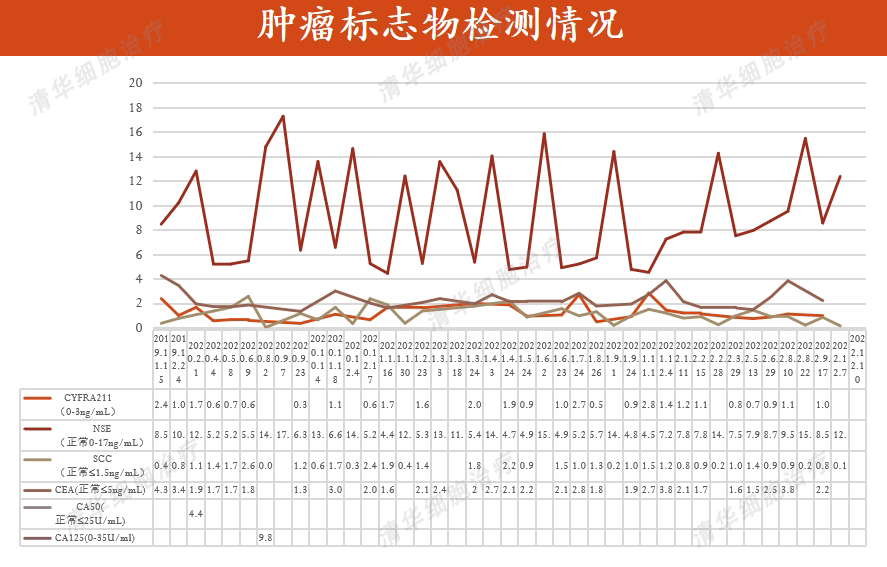
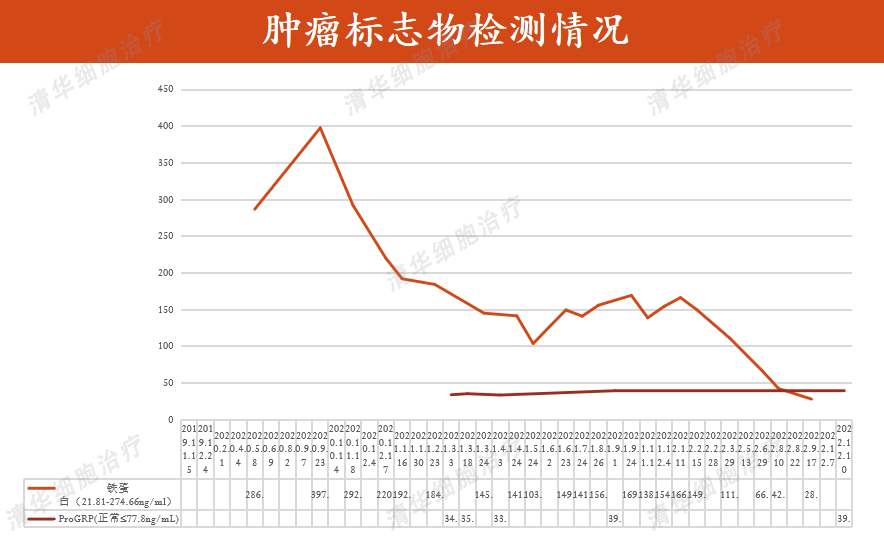
From November 2019 to December 2022, intermittent reexaminations of CYFRA21-1, NSE, SCC, CEA, CA50, and CA125 showed fluctuations within the normal range. From November 2019 to December 2022, intermittent reexaminations of ferritin showed values higher than normal in May 2020, September 2020, and November 2020, but within the normal range from December 2020 to September 2022; ProGRP values remained within the normal range.
Conclusion and Comments
Mr. Zhang reported feeling more energetic and vigorous in his daily activities compared to his previous state. Currently, his daily activities have decreased. The prognosis for small cell lung cancer (SCLC) is extremely poor. Although chemotherapy can control tumor progression to some extent, it often leads to rapid recurrence. However, after undergoing 12 courses of NKT cell therapy, the results of this follow-up are satisfactory and reassuring. We look forward to more positive news from subsequent treatments and follow-ups. Lung cancer has the highest incidence rate and mortality rate among all types of tumors globally. Lung cancer is mainly divided into non-small cell lung cancer (NSCLC) and small cell lung cancer (SCLC), with NSCLC accounting for approximately 85% of lung cancers. SCLC accounts for about 15% of lung cancers, has a higher malignant potential, and limited treatment options. Its five-year survival rate is only around 5%. Currently, there are no approved targeted drugs, and it initially responds well to chemotherapy and radiotherapy. Mr. Zhang's case of SCLC is relatively rare and has a higher malignant potential. NKT cell therapy not only eliminates residual tumor cells but also strengthens the immune system, thereby providing long-term stability for patients. This information is for educational purposes only and should be based on clinical medical advice for individual patients.