About Lehe
乐于心,和与众,与己乐,与人和; 心宽念纯,百病无生。


乐于心,和与众,与己乐,与人和; 心宽念纯,百病无生。


If you cannot understand the subsequent professional description, you can finish reading this text in two minutes
Overview of the condition
knowledge
VATS Lobectomy - Thoracoscopic Lobectomy
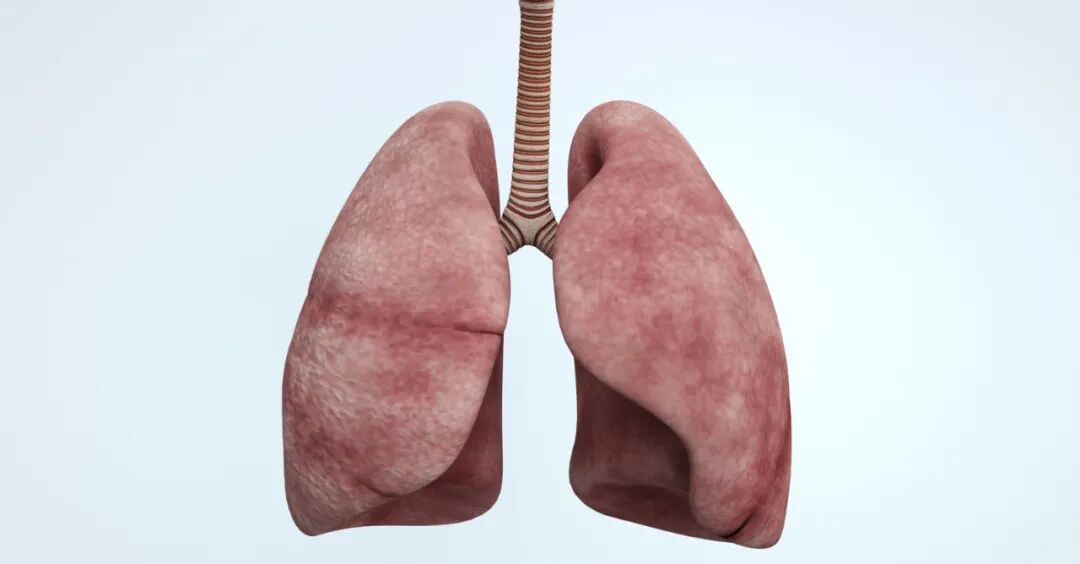
Thoracoscopic lobectomy refers to the surgical removal of a lung lobe with the assistance of thoracoscope. During the operation, the surgeon can observe the situation inside the chest through a television screen and complete the surgical procedure through different hole-like incisions, separating and ligating the pulmonary arteriovenous and bronchial structures, thereby completely removing the affected lung lobe. For malignant tumors, the hilar and mediastinal lymph nodes should also be evaluated.
Traditional surgery involves large incisions, high incidence of postoperative complications, and unclear treatment effects. The thoracotomy lobectomy used in the past can remove the lesion, thoroughly clean and drain the lymph nodes, and help prolong the survival time of patients with early-stage lung cancer. However, this surgery causes significant trauma and seriously affects the patient's cardiopulmonary function.
With the deepening of research, VATS lobectomy has gradually been applied to clinical treatment. Current clinical studies show that VATS lobectomy is an effective method for treating early-stage lung cancer, with advantages such as minimal trauma, rapid postoperative recovery, and few complications, which is beneficial for early recovery exercise of lung function. With the development and promotion of thoracoscopic technology, VATS lobectomy has been widely applied in the treatment of lung cancer, with significant therapeutic effects.
2. The patient's tumor presents risk factors such as lymphatic metastasis, intravascular cancer thrombus , and intrapulmonary dissemination . Currently, the patient is only receiving oral targeted therapy, which is prone to drug resistance.
3. vNKT therapy utilizes powerful immune cells to eliminate tumor cells that may remain undetected in the body, with essentially no side effects. Combined vNKT and targeted therapy can effectively control the tumor .
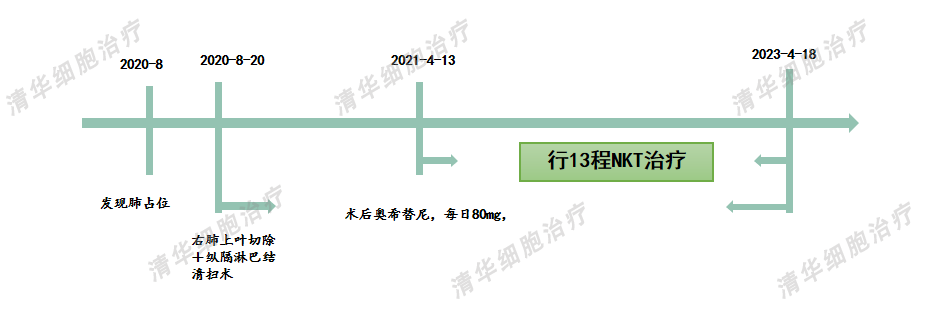
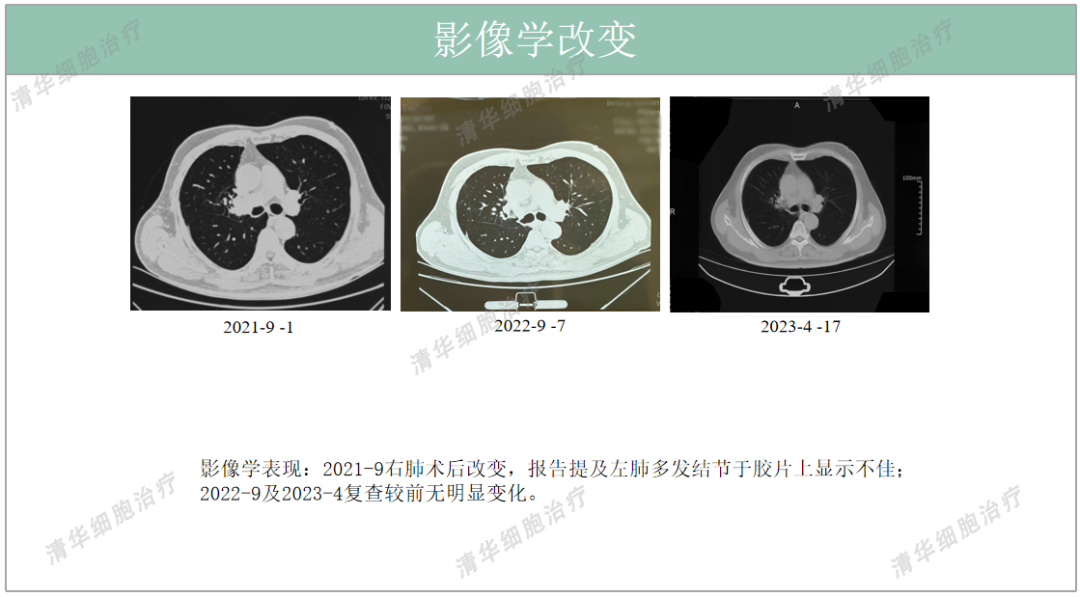
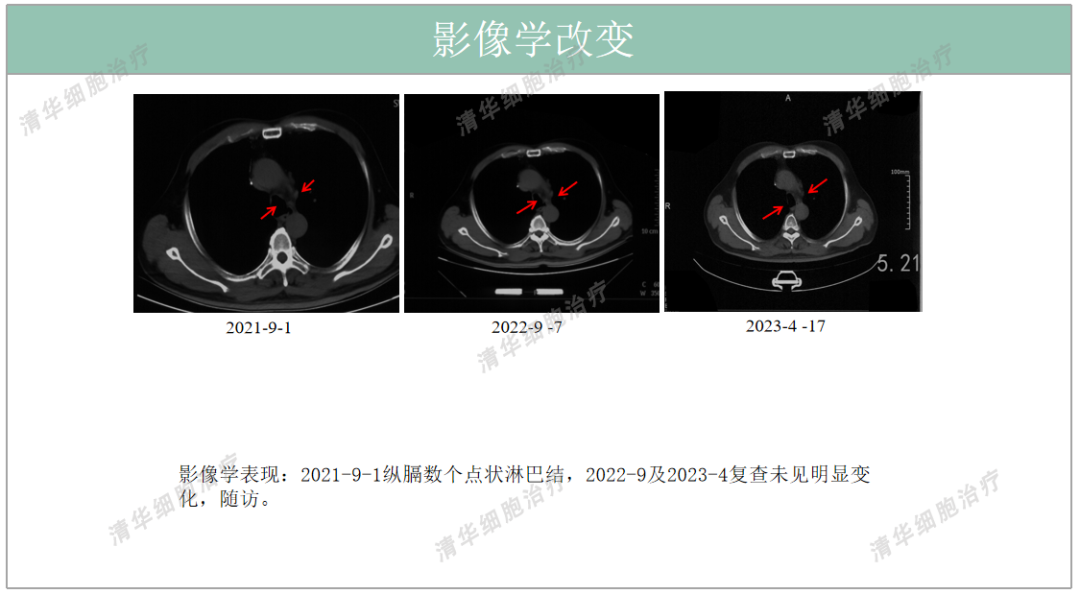
Image Aspects
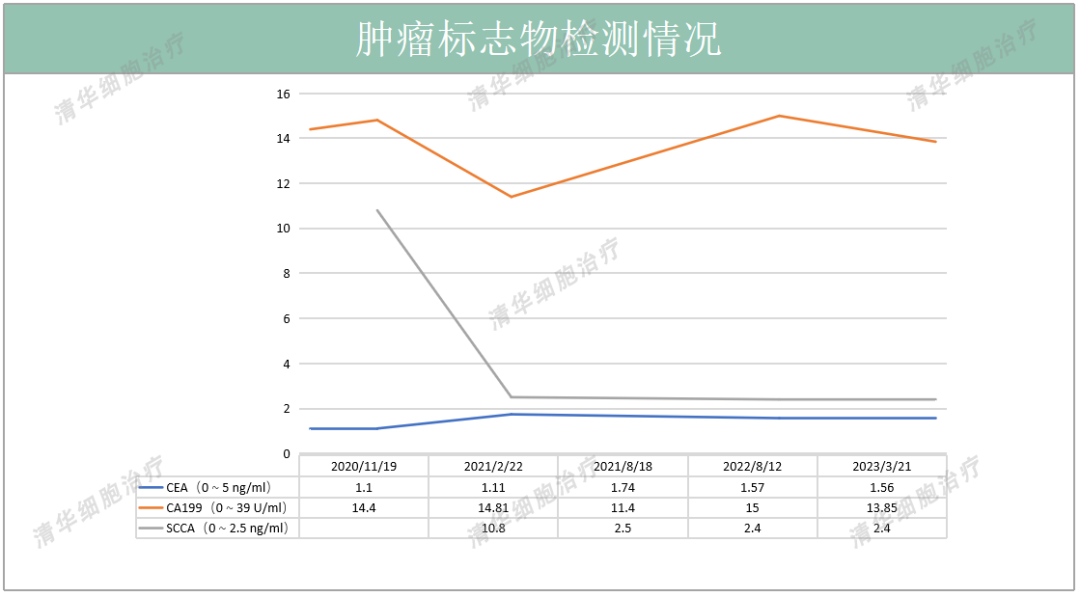
Tumor markers
Conclusion and Comments
Mr. Zheng's quality of life has greatly improved. My mental state is very good, and I feel more energetic in doing things than before, returning to my pre illness state. Normal life and work have not been affected by illness.
Mr. Zheng achieved the expected effect after using vNKT cell therapy. After two years, the latest evaluation result is still stable and no progress has been made. Immunotherapy is considered one of the most promising directions in tumor treatment, and Mr. Zheng's case illustrates this point very well.
In recent years, research on STAS (airway spread) has mainly focused on the influence of STAS on lung adenocarcinoma and some tumor related factors. The incidence of STAS in lung adenocarcinoma ranges from 14.8% to 56.4%; In a study, it was found that the incidence of STAS in lung adenocarcinoma dominated by micropapillary type was the highest (91.3%), with extensive STAS being the main type< H328>[1]。
In a recent study involving 383 cases of stage IA and 161 cases of stage IB lung adenocarcinoma, patients with STAS positivity showed significant deterioration in their condition, with poorer RFS and overall survival (OS) compared to those with STAS negativity< H347>[2]。. Kadota K and other surgical methods were used to verify the relationship between the prognosis of early lung adenocarcinoma and STAS status. In this large cohort study involving 411 cases of stage I lung adenocarcinoma, researchers found that positive STAS patients who underwent limited resection had higher rates of distant and local recurrence than STAS negative patients; In multivariate analysis, the presence ofSTAS is independently associated with the risk of recurrence[3].
References:
[1] Warth A, Muley T, Kossakowski CA, et al. Prognostic Impact of Intra-alveolar Tumor Spread in Pulmonary Adenocarcinoma [J]. The American Journal of Surgical Pathology, 2015, 39(6): 793-801
Click on the image

Address: Room 1101 (Unit 101), 11th Floor, Building 1, No. 7 Courtyard, Kexueyuan Road, Life Science Park, Changping District, Beijing
Phone:010-8265 9866
Email:lehemedneo@hotmail.com