About Lehe
乐于心,和与众,与己乐,与人和; 心宽念纯,百病无生。


乐于心,和与众,与己乐,与人和; 心宽念纯,百病无生。


If you find it difficult to understand the subsequent professional descriptions, you can quickly read through this text within two minutes.
Overview of the disease
knowledge
Multiple primary malignant neoplasms
Multiple primary malignant neoplasms (MPMN), also known as multiple cancers, refers to the occurrence of two or more primary malignant neoplasms in the same individual, either simultaneously or sequentially. The overall prevalence of this condition worldwide ranges from 1% to 37%. Clinically, dual primary cancers are the most common, followed by triple primary cancers, with quadruple or more primary cancers being relatively rare. Billroth was the first to promote research on multiple primary malignant neoplasms, pointing out that it is possible for an individual to develop two independent tumors simultaneously. Based on whether the cancers occur simultaneously, they can be classified as synchronous multiple primary cancers or metachronous multiple primary cancers. Patients with a treatment interval of less than one year between the first and second cancers are diagnosed with synchronous multiple cancers, while those with an interval of more than one year are diagnosed with metachronous multiple cancers.
2. The discovery of vascular thrombi and lymph node metastasis in postoperative pathology indicates that cancer cells have entered the bloodstream and spread to various parts of the body, posing a higher risk of recurrence and metastasis.
3. Although the patient underwent radical surgery, severe side effects prevented them from completing chemotherapy. vNKT therapy utilizes powerful immune cells to eliminate tumor cells that may remain undetected in the body, with essentially no side effects, thereby reducing the risk of tumor recurrence.
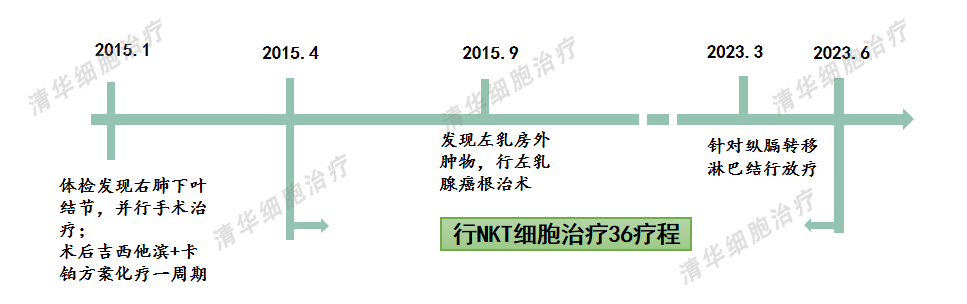
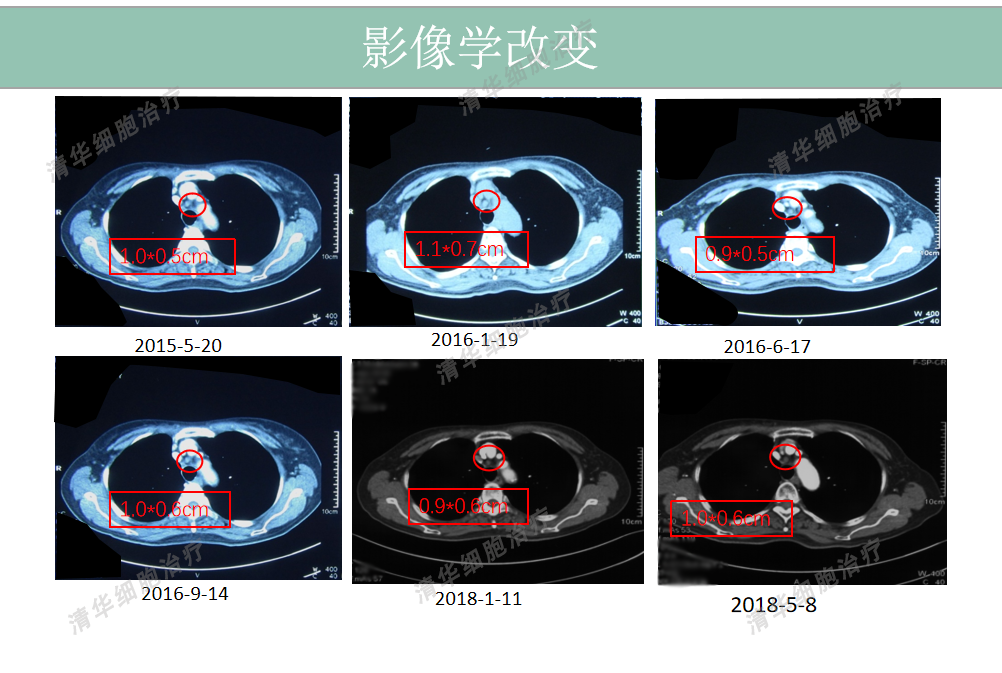
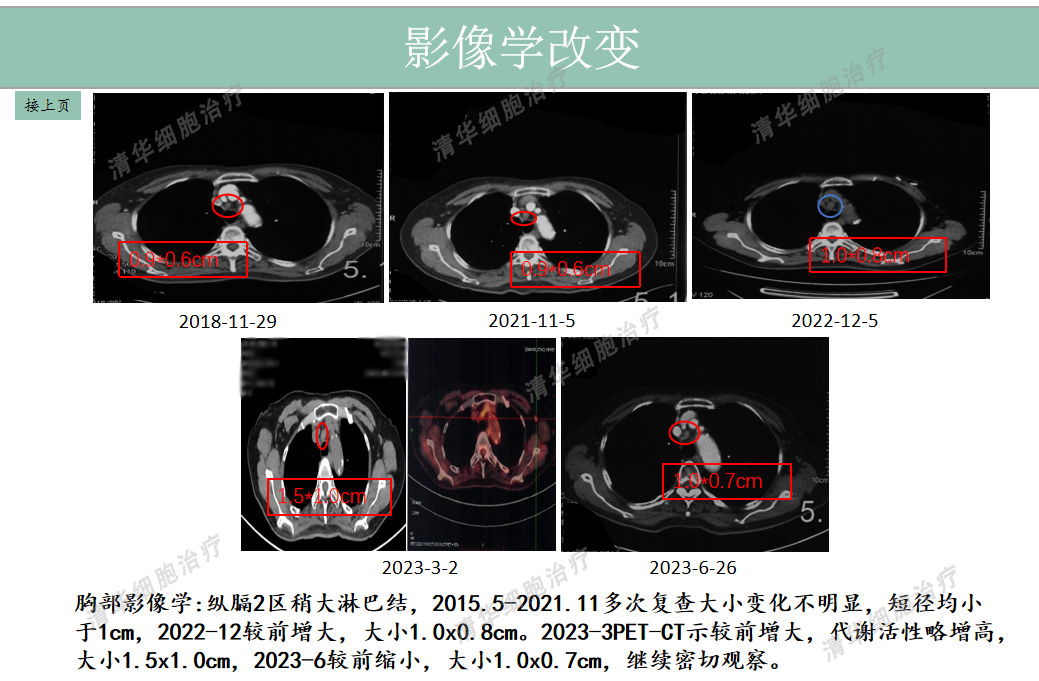
Image Aspects
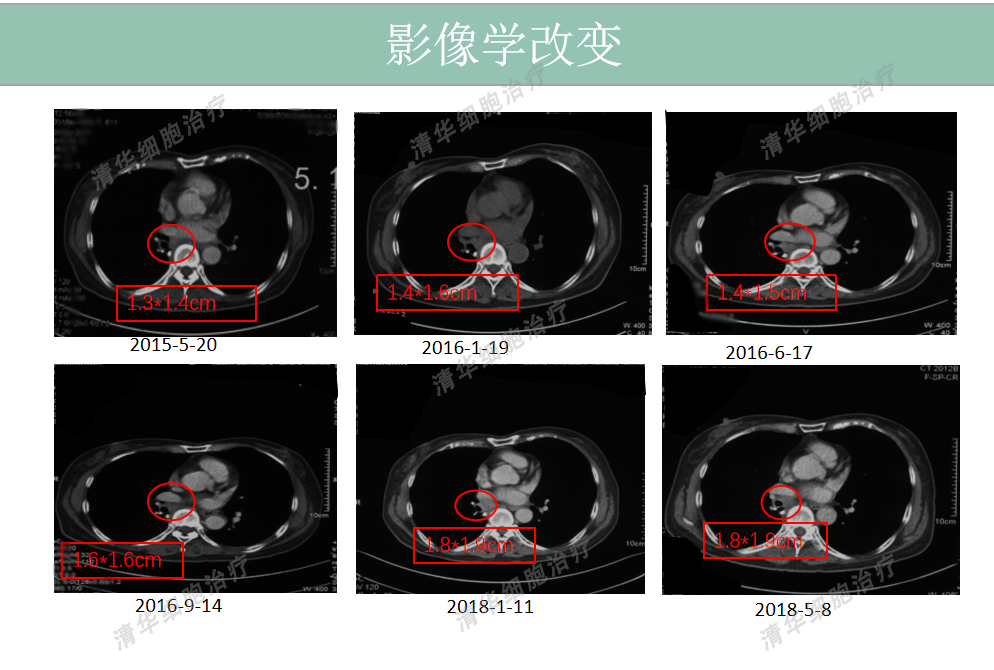
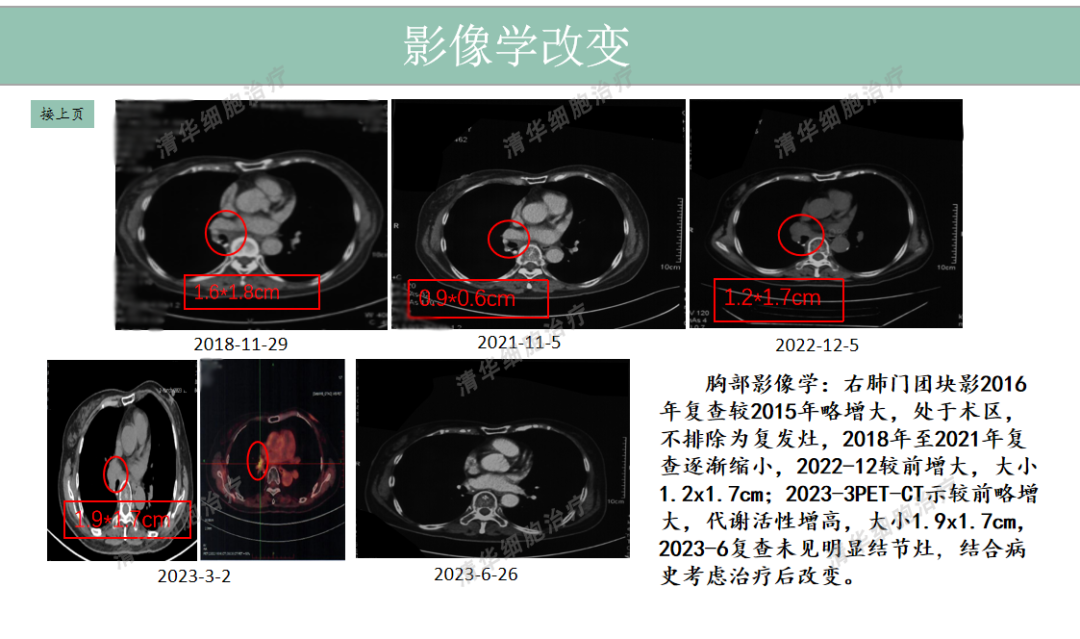
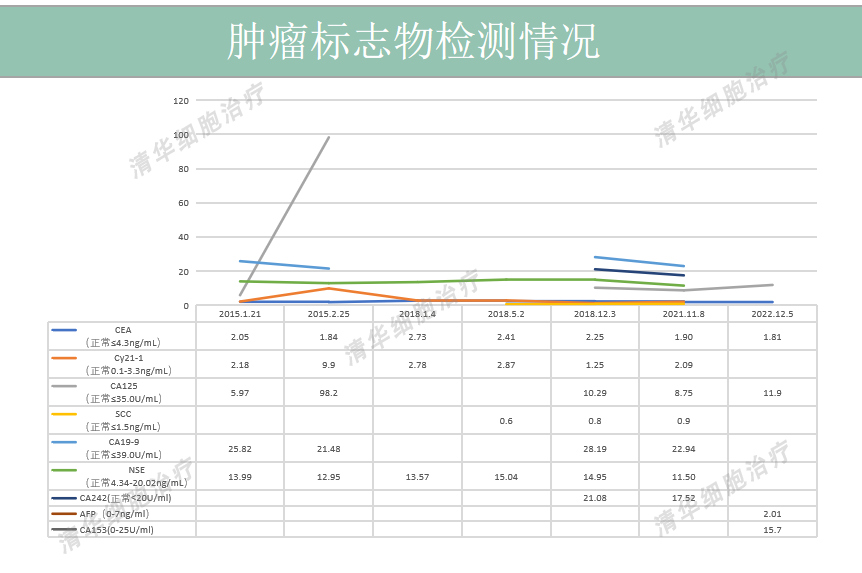
Tumor markers
Conclusion and Comments
See References:
[1]Zhang Chao, Huang Huizhen, Cao Xiaolong, et al. Clinical analysis of 8 cases of synchronous or metachronous multiple primary cancers [J]. Jilin Medical Journal, 2009, 30: 2639-2639.
Click on the image
Address: Room 1101 (Unit 101), 11th Floor, Building 1, No. 7 Courtyard, Kexueyuan Road, Life Science Park, Changping District, Beijing
Phone:010-8265 9866
Email:lehemedneo@hotmail.com