Contact Us Careers
Lung Cancer

Having been hopeless after two recurrences of liver cancer, he unexpectedly made a comeback. What did he rely on?

时间:2026-04-15 人气:
           
Click on the blue text to follow us            


# Liver Cancer              

It is often said that "the stomach is the loudspeaker, while the liver is the mute". As the largest organ in the human body, the liver usually works like an "honest person" who "keeps silent" and goes about its business, making it difficult for people to notice when it becomes ill. Studies have found that about 70% to 80% of liver cancer patients are diagnosed at an advanced stage, with a five-year survival rate of only 14.1% [1]. This also results in liver cancer ranking second in the list of tumor-related deaths in China, although it does not rank among the top three most common malignant tumors in terms of incidence rate [2].
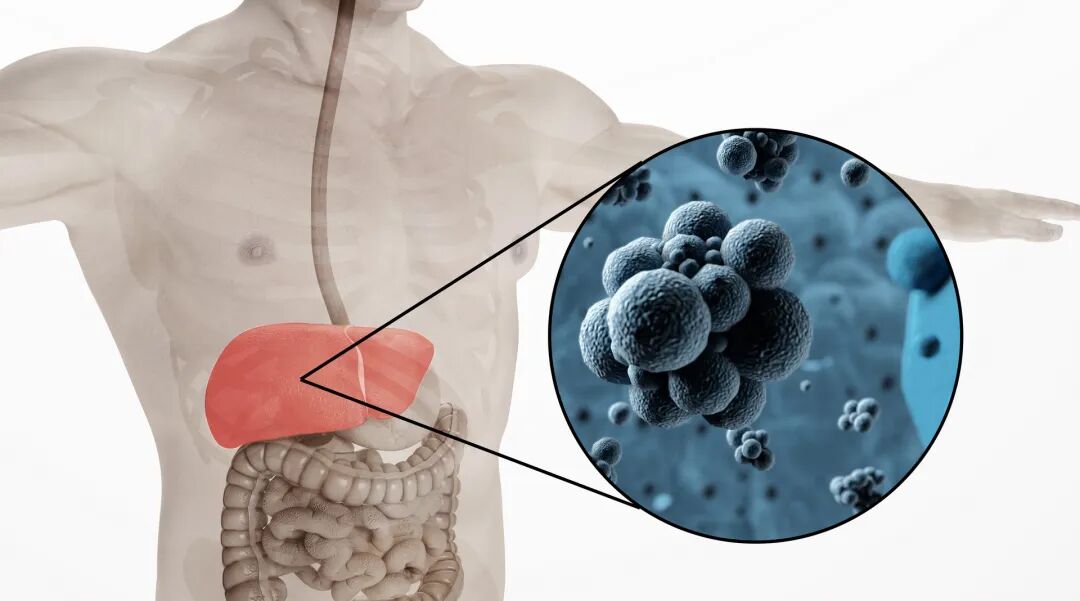


After New Year's Day in 2015, Mr. Yang went to the hospital due to stomach discomfort. He initially thought it was caused by drinking too much alcohol during the holidays and that he could just take some medication and go home. However, the diagnosis of "liver cancer" tore a hole in his life.


Mr. Yang was diagnosed with liver cancer, and the prognosis was not optimistic:


a nearly 7-centimeter tumor, CT scan showed a low-density mass occupying the lower segment of the right liver lobe measuring 6.1cm*6.2cm*6.9cm, with tumor marker AFP >800ng/ml.


Right liver low-differentiated hepatocellular carcinoma, underwent laparoscopic resection of the right liver lobe (including parts of segments V, VI, VII, and VIII) plus cholecystectomy. Postoperative pathology showed: right liver low-differentiated hepatocellular carcinoma.


Low-differentiated hepatocellular carcinoma often indicates a high degree of malignancy and generally progresses rapidly. It cannot replace the function of normal liver cells.
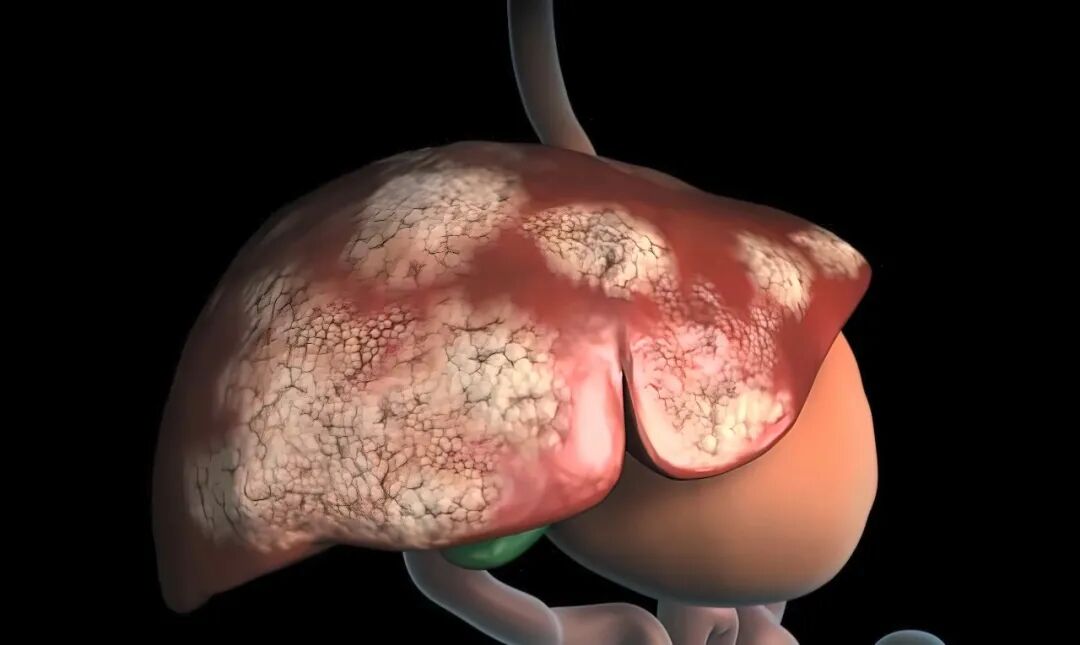


Why is liver cancer often found at "advanced stage"?
Since the liver lacks pain-sensing nerves, liver cancer can grow within the liver in its early, small stages, which can be difficult to detect without regular medical check-ups. However, as the liver cancer tumor grows larger, it can cause the liver to swell , stretching the liver capsule, which contains pain-sensing nerves. As the surface tension increases, the pain becomes increasingly intense. By the time people start to notice something is wrong with their liver cancer at this stage, it has already progressed to the middle or late stages.      


01              


Disease Overview              

Overview of the illness


8 months, experienced 3 surgeries and 2 recurrences                

For patients with liver cancer, the end of treatment is not the end.


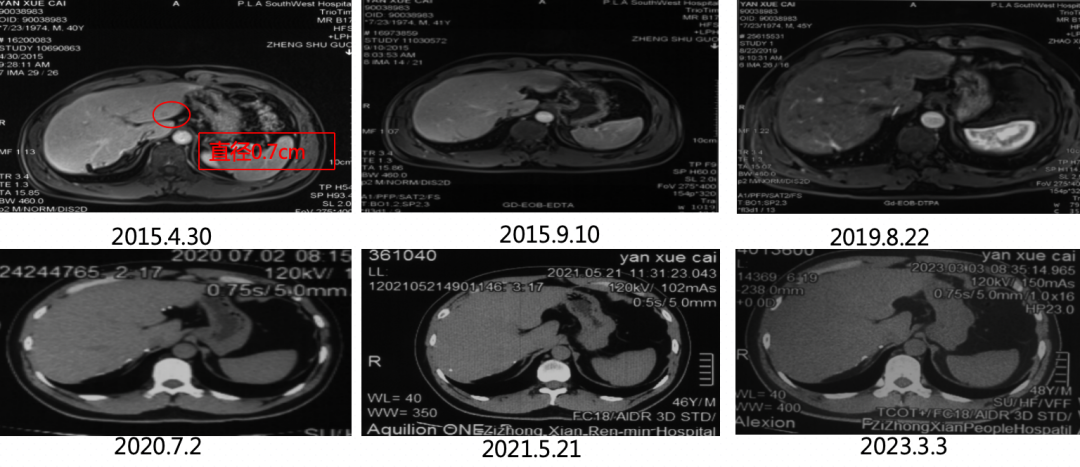
Mr. Yang underwent surgery in January 2015 and recovered for three months. In April, a follow-up MRI of the upper abdomen showed postoperative changes in the right liver, with a small nodule measuring 0.7cm in the third segment of the liver, suggesting recurrence of liver cancer. AFP: 211.5ng/ml↑.


In May 2015, a "laparoscopic left liver cancer resection" was performed. Postoperative pathology revealed moderately differentiated hepatocellular carcinoma of the left liver.

           
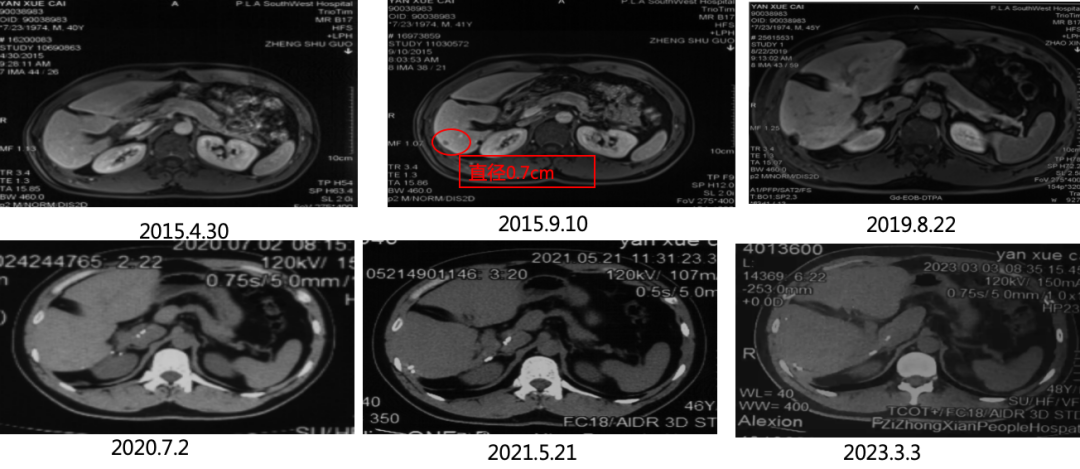
And during the follow-up MRI in September 2015, it was found that after liver cancer surgery, there was a small nodule in the fifth segment of the liver, and EBO-MRI indicated liver cancer recurrence. AFP: 155.3ng/ml↑. On September 18, 2015, a "laparoscopic resection of recurrent liver cancer in the right liver" was performed. Postoperative pathology revealed moderately differentiated hepatocellular carcinoma of the liver.


According to incomplete statistics, even after surgical removal, 60%-70% of liver cancer patients will experience recurrence within 5 years. However, the fact that Mr. Yang underwent three surgeries and experienced two recurrences within eight months since his diagnosis of liver cancer has left him and his family feeling depressed and anxious. They even fear the next follow-up examination and dare not face it...


How to terminate recurrence? New opportunities have emerged!            


Mr. Yang didn't know how many more times his body could withstand the torment of relapse. He stumbled upon vNKT cell therapy on his phone, which became the last straw he could cling to at that time.


After extensive research, Mr. Yang contacted Professor Zhang Minghui. After evaluating his condition, it was determined that postoperative adjuvant therapy was essential to better improve the patient's prognosis. In 2015, when treatment options for advanced liver cancer were limited, Lehe New Medical team considered that conventional drugs had low efficacy and could potentially cause adverse reactions such as drug resistance and side effects, making them an unsatisfactory postoperative adjuvant therapy. Therefore, Lehe New Medical team proposed a plan to incorporate vNKT cell therapy into postoperative adjuvant therapy.
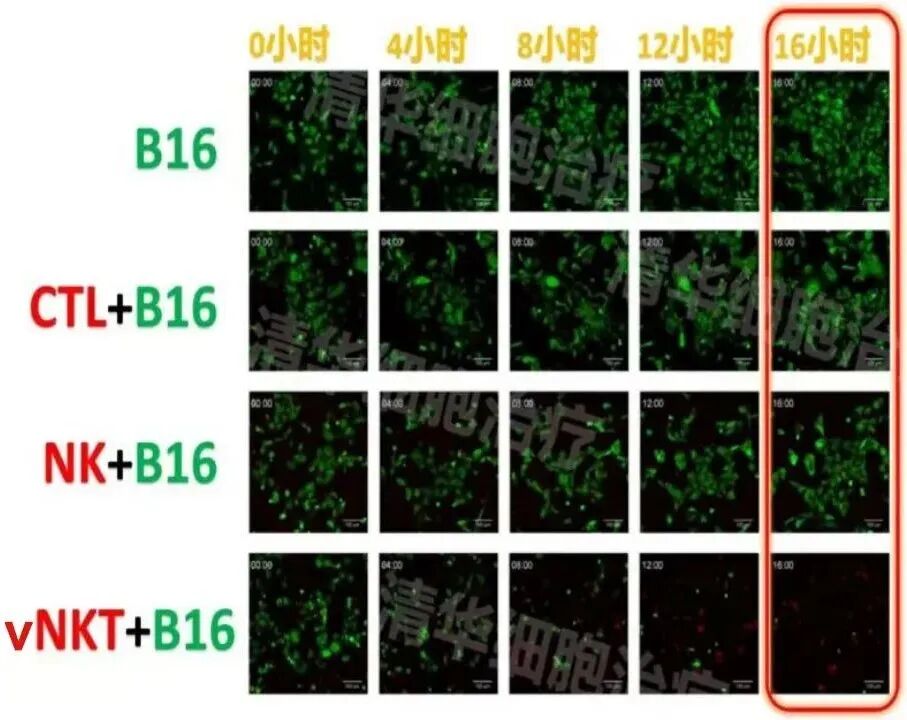


vNKT cell immunotherapy            


Natural killer T (NKT) cells, are a special T-cell subset with both T-cell receptor (TCR) and NK cell receptors on their surface. They possess important characteristics of both NK cells and T cells, with the dual ability to recognize tumor cells nonspecifically and specifically, and can rapidly kill tumor cells. Among the NKT cell subsets, there is a larger and more potent special type, discovered by the experimental team led by Professor Zhang Minghui of Tsinghua University, namely variant natural killer T (vNKT) cells.

           
The population of vNKT cells in the body is very small and they are not easily activated. However, once activated, they can single-handedly eliminate tumor cells that may remain undetected in the body. Additionally, research has found that vNKT cells exhibit a dual anti-tumor effect. Not only can they directly kill cancer cells, but they also modulate the immune microenvironment within tumor tissues, killing inhibitory immune cells known as MDSCs, breaking down tumor immune evasion, rebuilding the normal immune system, and further preventing recurrence and metastasis.            

Experimental conditions: In the presence of vNKT cells, after 16 hours, nearly all B16 tumor cells were killed!


In November 2015, Mr. Yang began vNKT cell therapy. Professor Zhang Minghui and the Lehexin Medical team adjusted the intensity and pace of treatment in real-time based on his physical condition, and provided guidance on traditional Chinese medicine, exercise, diet, positive mindfulness training, and other aspects during this process. Through immune regulation and improvement of the internal environment, a multi-dimensional comprehensive treatment closed loop was formed.

     
Having experienced recurrence twice after the first two follow-up examinations, Mr. Yang was extremely nervous during his first follow-up after vNKT cell therapy. However, he finally received the result of "no tumor recurrence or metastasis signs found" in . This time, he finally "outran" the liver cancer cells, and has now been stable for 9 years without recurrence , gradually emerging from the haze of unknown and uncontrollable disease.      


02              


Imaging 

changes               


In April 2015, an abdominal magnetic resonance imaging (MRI) revealed changes after partial resection of the left and right lobes of the liver and cholecystectomy. A 0.7cm-diameter enhancing nodule was visible in liver S3, suggesting a possible recurrence. However, upon follow-up in September 2015, the S3 lesion was not detected, likely due to postoperative changes. No significant changes were observed compared to previous findings. From August 2019 to March 2023, follow-up MRI scans of the liver after partial resection of the left and right lobes and cholecystectomy showed no signs of tumor recurrence or metastasis.          


In April 2015, an abdominal MRI revealed changes following partial resection of the left and right lobes of the liver and cholecystectomy. In September 2015, a follow-up examination revealed a newly detected ring-shaped enhancing nodule in S5, measuring 0.7 cm in diameter, with a possibility of recurrence. No other significant changes were observed compared to previous findings. From August 2019 to March 2023, follow-up examinations of changes following partial resection of the left and right lobes of the liver and cholecystectomy did not reveal signs of tumor recurrence or metastasis.        


03            


Conclusion and Review< H270>

Conclusion and Commentary       
Mr. Yang's victory over liver cancer recurrence was not accidental, and the vNKT cell therapy he received was not "ordinary".        

       
vNKT, full name Variant natural killer T cell, is like a special forces soldier that kills tumor cells. vNKT cell therapy is used to remove residual small lesions from surgery and residual liver cancer cells in the body. At the same time, Professor Zhang Minghui's team also discovered that vNKT cells have a bidirectional anti-tumor effect. They not only directly kill cancer cells but also regulate the microenvironment within cancer tissues, killing inhibitory immune cells MDSCs, and gradually restoring the body's immunity.        

    
Moreover, the more surprising aspect of immune cell therapy lies in the fact that immune cells, during the process of recognizing and killing tumor cells, develop "memory" and continuously repeat the process of "recognizing and eliminating tumor cells". This provides patients with long-term anti-tumor protection, halts recurrence and metastasis, and allows patients to achieve a longer stable period.

       
vNKT cell therapy has brought new hope to an increasing number of cancer patients.      


Lian
is a
I     
       

Scan QR code

Communicate with Professor Zhang Minghui's team



Zhang Minghui  Founder of Lehe New Medicine and Ph.D. in Immunology from Tsinghua University School of Medicine
Since the discovery of vNKT cells in 2002, Professor Zhang Minghui's research team has been engaged in research for over 20 years, accumulating treatment experience from over 700 cases of solid tumors, covering almost all common solid tumors. The research results fully demonstrate the great value of vNKT in the treatment of solid tumors.


It is suitable for postoperative patients with high malignant potential or a risk of recurrence; patients whose tumors have been largely controlled but not cured through conventional treatments such as chemotherapy, radiotherapy, and targeted therapy; and patients who continue to have high carcinogenic factors. If these patients do not undergo effective follow-up treatment after traditional anti-tumor therapy, the probability of recurrence, metastasis, or re-emergence of tumors will be high. In this case, vNKT cell therapy is an ideal follow-up treatment method that can significantly improve the prognosis of patients.            


Reference source:

[1] Guidelines for Liver Cancer Screening in Chinese Population (2022, Beijing)

[2] National Health Commission, Medical Administration and Management Bureau of the People's Republic of China. Guidelines for Diagnosis and Treatment of Primary Liver Cancer (2022 Edition)[J].  Chinese Journal of Hepatology, 2022, 30(4): 367-388. doi: 10.3760/cma.j.cn501113-20220413-00193 .


Contributor: Zhang Tuo      
Reviewed by: Qiao Jiacheng, Wang Ying, Gao Chen
Edited/typeset by Zhang Jiao


Click on the image to view the exciting content from previous issues


Reposting is a driving force, sharing is a beauty