About Lehe
乐于心,和与众,与己乐,与人和; 心宽念纯,百病无生。


乐于心,和与众,与己乐,与人和; 心宽念纯,百病无生。




Overview of the illness
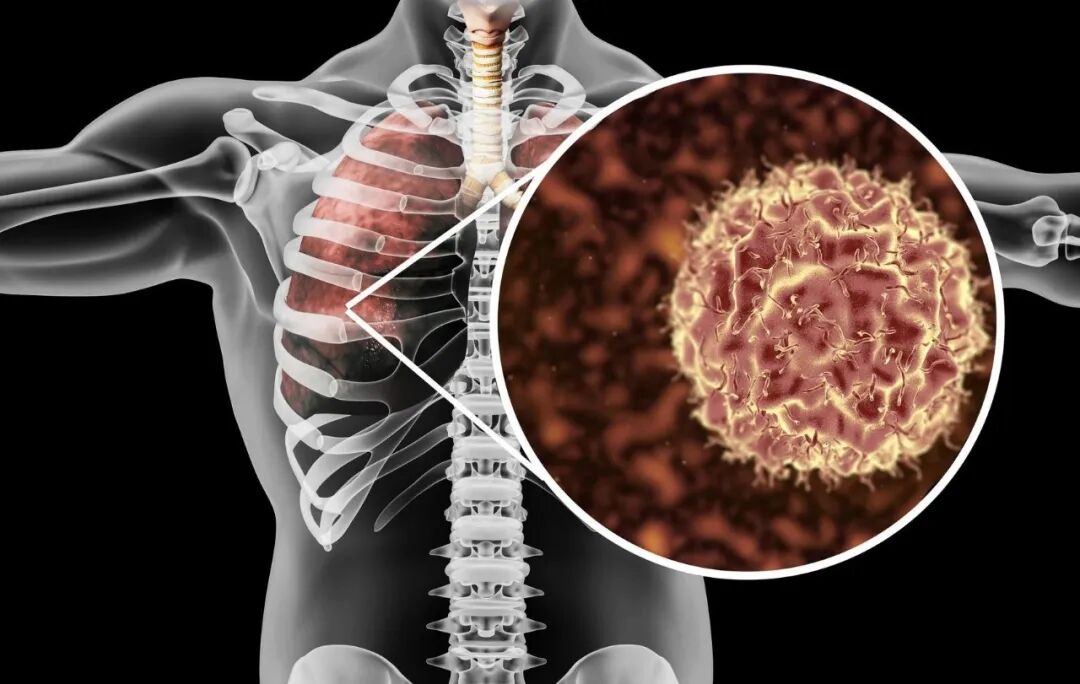
Ms. Fu was diagnosed with lung cancer at the BC Cancer Agency in Vancouver in 2018. In April of the same year, she underwent a wedge resection of the left lower lobe nodule, a resection of the left lower pulmonary ligament lymph nodes, and a resection of the left lower lobe.

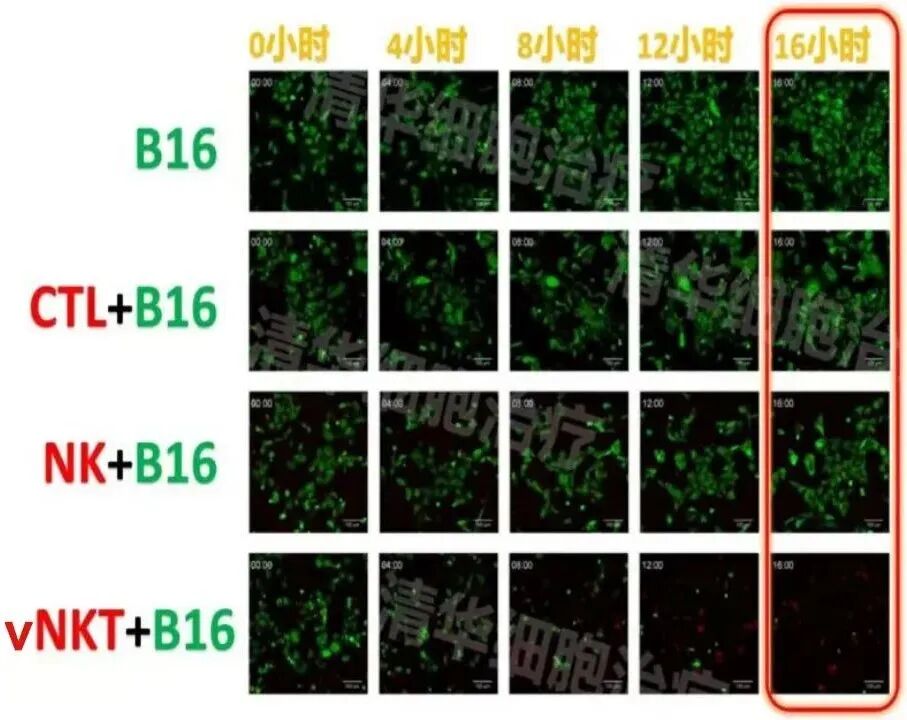
Experimental conditions: In the presence of vNKT cells, after 16 hours, nearly all B16 tumor cells were killed!
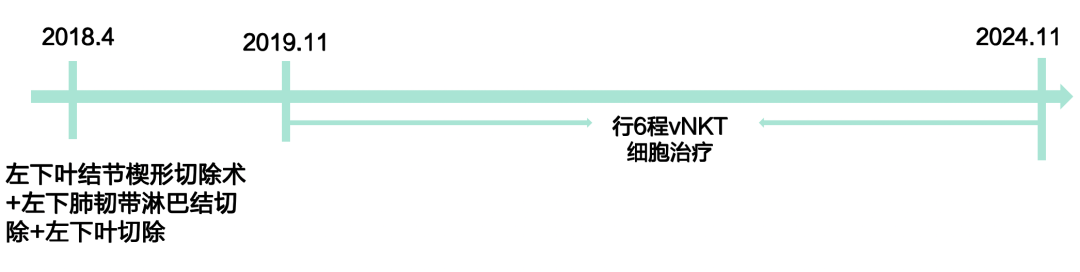
Imaging changes
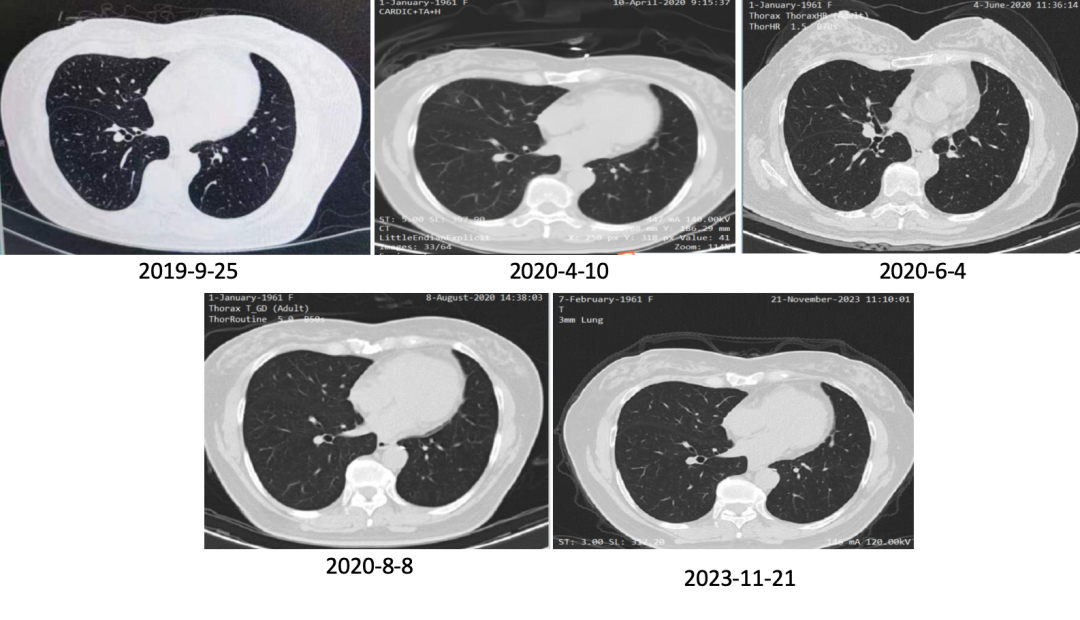
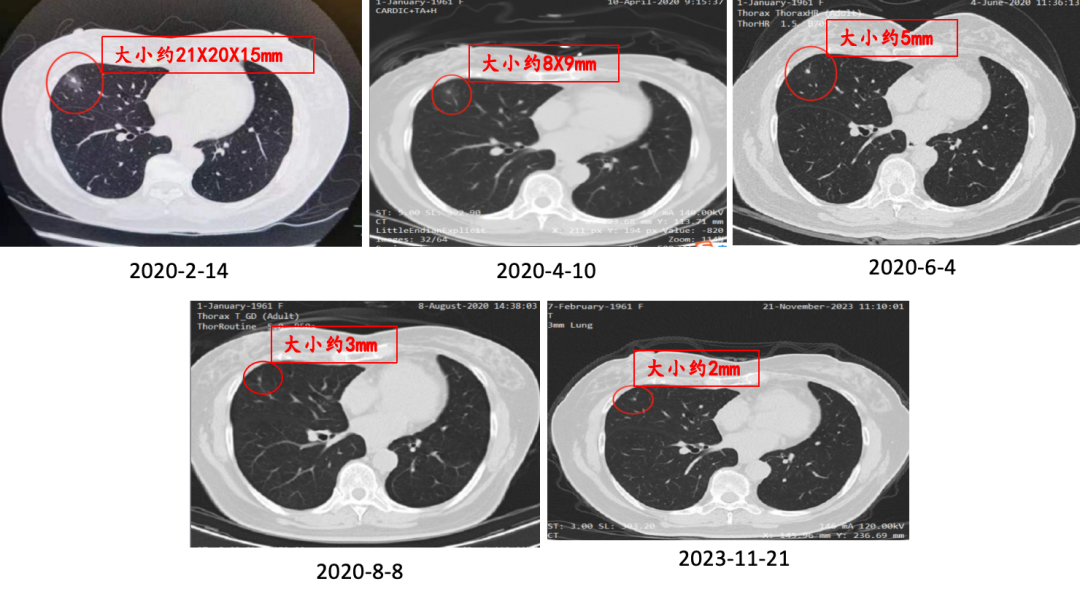
Chest imaging: Chest CT scan in 2020-2 showed a mixed ground-glass density nodule in the right lung middle lobe, measuring approximately 21X20X15mm; a follow-up examination in 2020-4 revealed a significant reduction in the nodule size to approximately 8X9mm, suggesting an inflammatory lesion; subsequent follow-up examinations from 2020-6 to 2023-11 showed a gradual shrinkage of the nodule to 2mm.
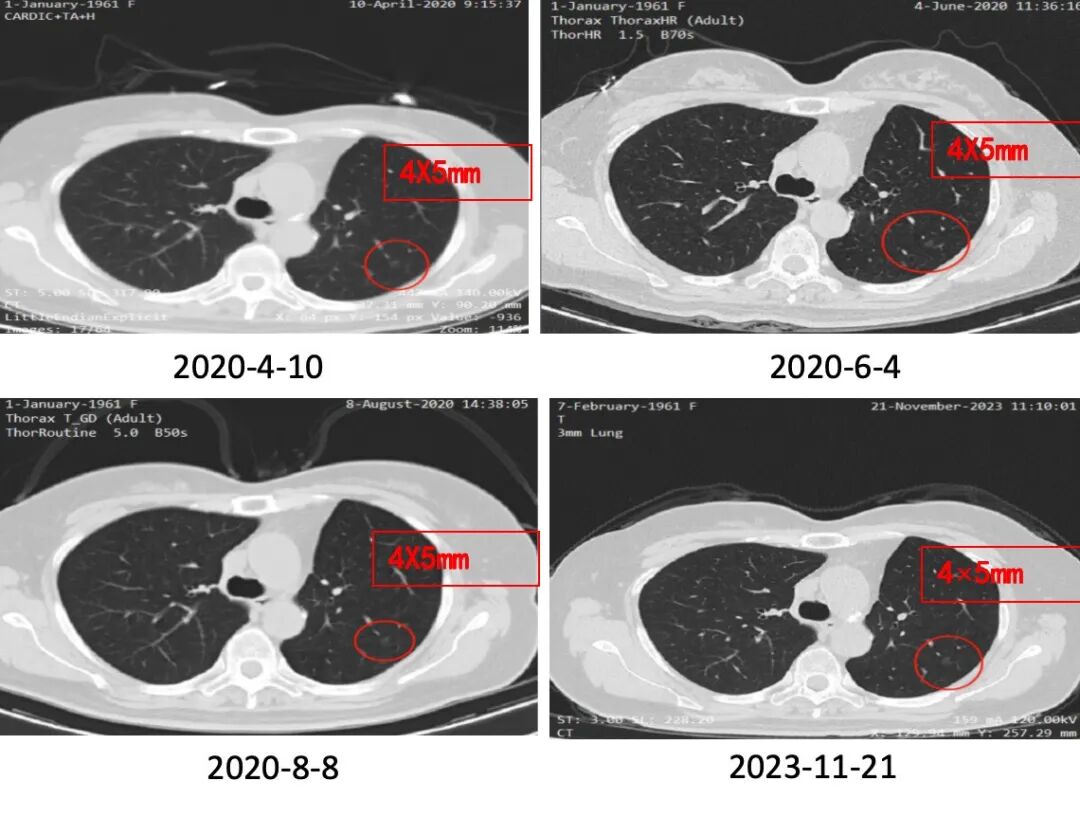
Chest imaging: Chest CT scan in April 2020 revealed a ground-glass nodule in the left upper lung, measuring approximately 4X5mm; follow-up examinations from June 2020 to November 2023 showed no changes from the previous findings.
Conclusion and Review< H276>
80% of lung cancer patients have a survival period that rarely exceeds one year. The earlier it is detected, the more room for treatment there is, the more treatment options are available, and the higher the probability of cure.
Founder of Lehe New Medicine
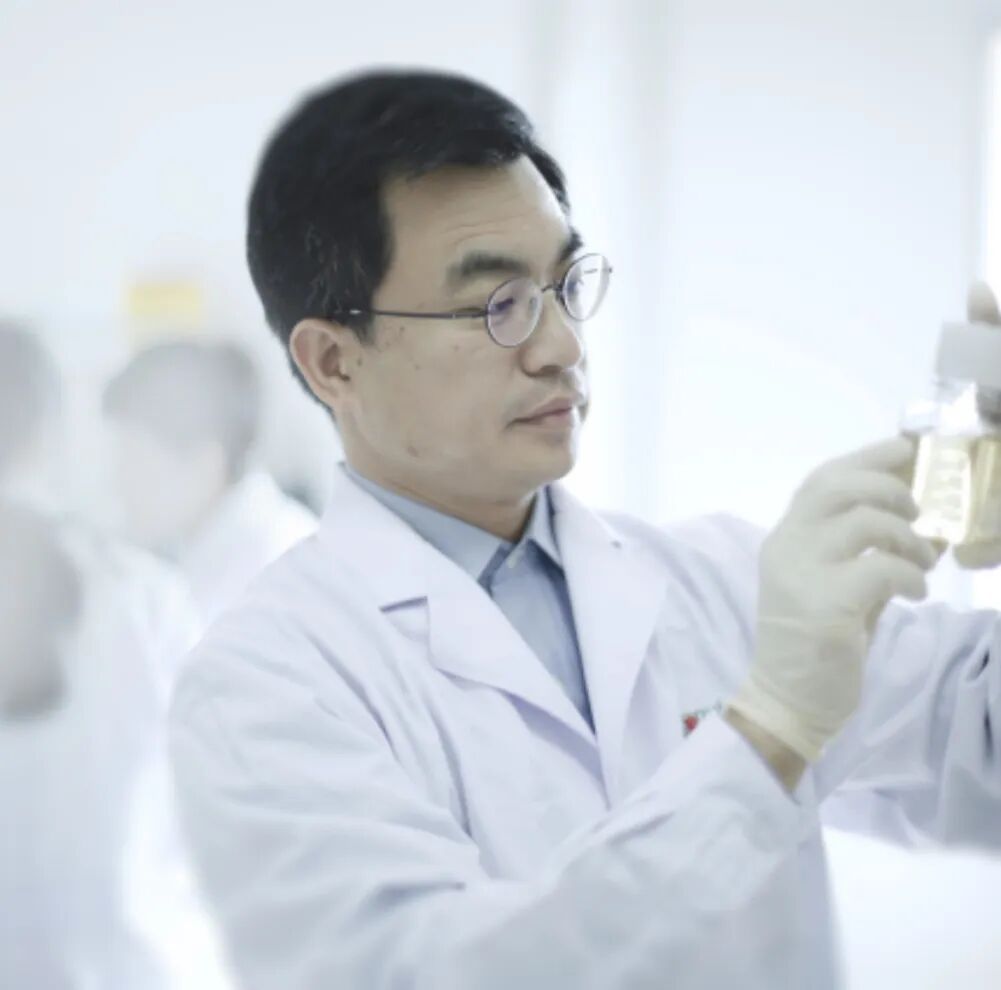
Professor Zhang Minghui, with a PhD in Immunology from Tsinghua University School of Medicine, has led a research team for over 20 years since the discovery of vNKT cells in 2002. They have accumulated experience in treating over 700 cases of solid tumors, covering almost all common solid tumors. The research results fully demonstrate the great value of vNKT cells in the treatment of solid tumors.
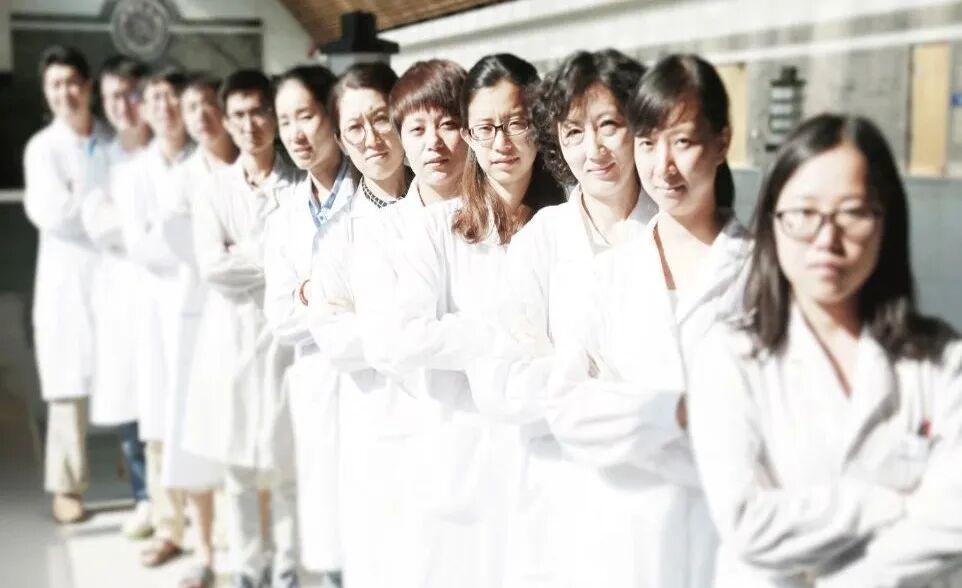
It is suitable for postoperative patients with high pathological malignancy or a risk of recurrence; patients whose tumors have been basically controlled but not cured through conventional treatments such as chemotherapy, radiotherapy, and targeted therapy; patients with persistent high carcinogenic factors; and patients intolerant to radiotherapy and chemotherapy. If these patients do not receive effective follow-up treatment after traditional anti-tumor therapy, recurrence, metastasis, or tumor reoccurrence will be highly probable. In this case, vNKT cell therapy is an ideal follow-up treatment method, which can significantly improve the prognosis of patients.

Scan QR code
Communicate with Professor Zhang Minghui's team
Click on the image to view the exciting content from previous issues


Address: Room 1101 (Unit 101), 11th Floor, Building 1, No. 7 Courtyard, Kexueyuan Road, Life Science Park, Changping District, Beijing
Phone:010-8265 9866
Email:lehemedneo@hotmail.com