Contact Us Careers
Hepatobiliary and Pancreatic Cancers

Liver cancer with cirrhosis: Breaking the ice of low survival rate, with no recurrence or metastasis in 5 years after cell therapy

时间:2026-04-16 人气:
           
Click on the blue text to follow us            


# Liver Cancer              

             
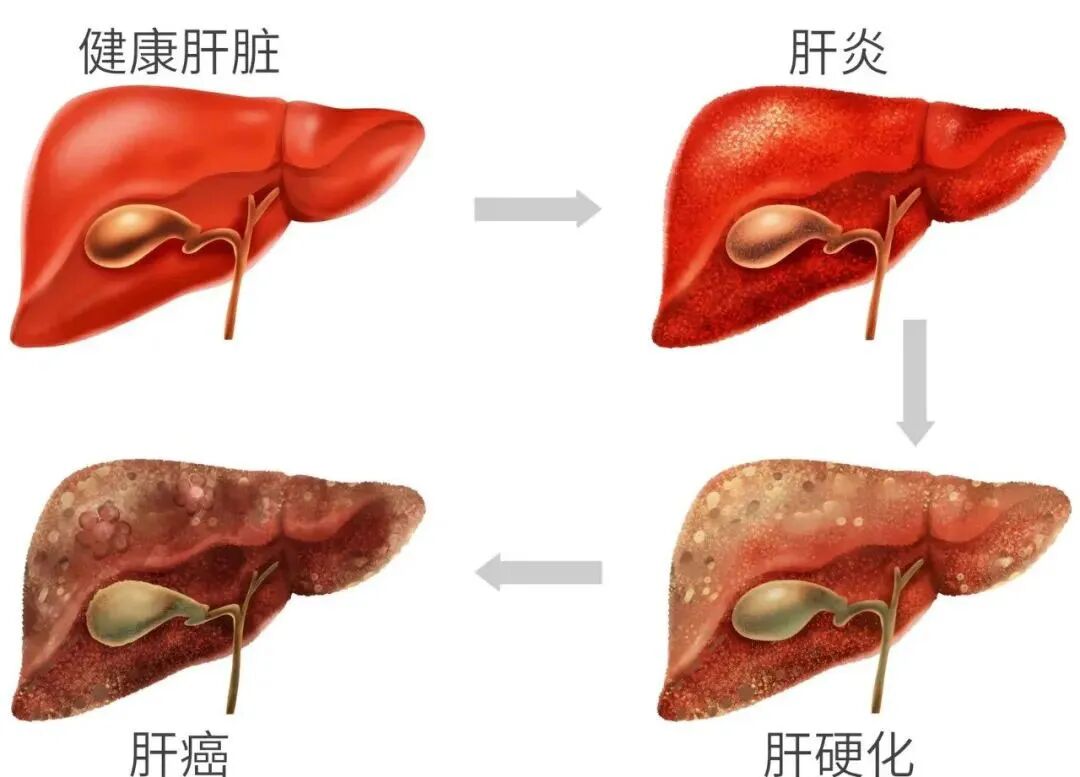
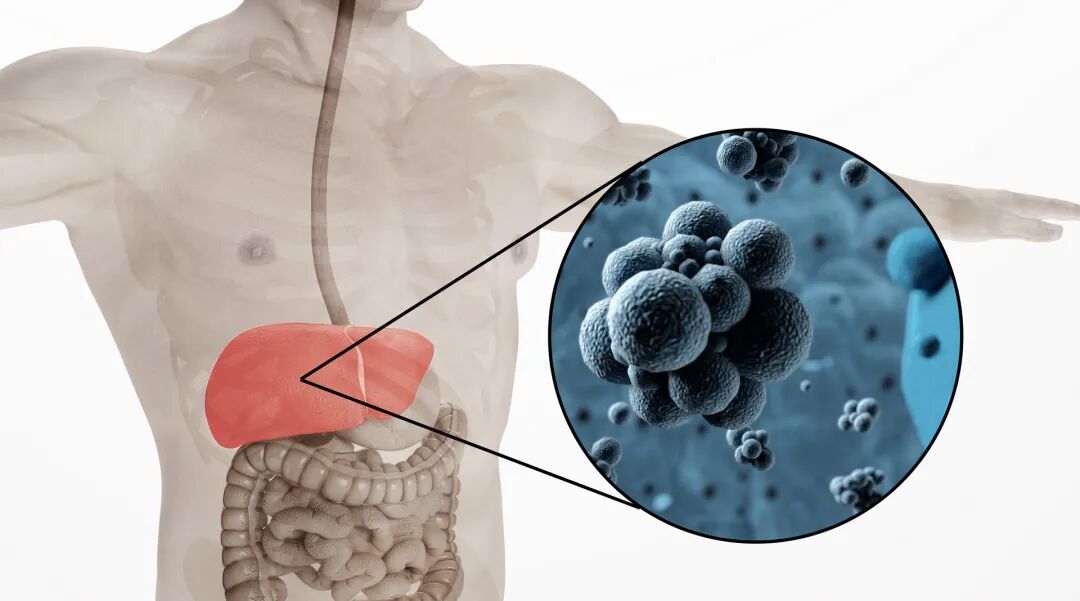
According to the World Health Organization, China has a high incidence of liver cancer, with nearly half of the new cases and deaths from liver cancer occurring worldwide each year. The 5-year survival rate for liver cancer patients in China is approximately 14% [1]. Liver cancer is the third leading cause of cancer-related deaths globally [2]. Among these, over 80% of liver cancers develop from chronic viral hepatitis and cirrhosis. Additionally, high-risk factors include alcoholic or drug-induced hepatitis, as well as genetic risk factors. These three consecutive stages of disease progression—hepatitis, cirrhosis, and liver cancer—can be referred to as the "liver cancer trilogy."              

         
liver cancer          
Liver Cancer Trilogy          


Various types of pathogenic factors invade the human body, causing liver cell damage and inflammation of the liver, usually induced by factors such as viruses (such as hepatitis B and hepatitis C viruses), alcohol, and drugs. If long-term hepatitis is not effectively controlled, it can gradually lead to liver fibrosis and cirrhosis.      

     
Cirrhosis is a condition characterized by liver fibrosis and structural changes that occur after long-term liver damage. Cirrhosis can lead to decreased liver function, complications such as ascites, jaundice, and hepatic encephalopathy. Additionally, patients with cirrhosis have a significantly increased risk of developing liver cancer.      

   
Liver cancer is a tumor formed by malignant transformation of liver cells. On the basis of liver cirrhosis, liver cells are more prone to mutation and abnormal proliferation, thus leading to the formation of liver cancer.


The trilogy of liver cancer is a continuous pathological process involving hepatitis virus infection, liver inflammation, fibrosis, and hepatocellular carcinoma.

   
Hepatitis virus infection can cause inflammation in the liver, leading to liver cell damage and death. Prolonged inflammation can stimulate the formation of liver fibrosis, which can progress to cirrhosis. In the context of cirrhosis, liver cells are more susceptible to various carcinogenic factors, undergoing gene mutations and abnormal proliferation, ultimately leading to the development of liver cancer.

     
Currently, for the treatment of liver cancer, liver transplantation is the optimal therapeutic option [2]. However, due to strict medical indication restrictions, donor availability, and cost considerations, only a minority of patients can undergo liver transplantation [3]. Therefore, hepatic resection (HR) remains the preferred approach [4]. Unfortunately, the 3-year recurrence rate after HR is as high as 50%, and the overall 5-year survival rate (OS) is only 40% to 60% [5]. Microwave ablation (MWA) has similar efficacy compared to HR, but it has the advantages of minimal trauma, fewer adverse reactions, and minimal impact on liver function, making it particularly suitable for elderly patients, those with multiple underlying diseases, those with cirrhosis, and those with poor liver function. In addition, interventional therapy, targeted therapy, and immunomodulator therapy have also been widely used in the treatment of hepatocellular carcinoma in recent years, which to some extent have helped improve the overall efficacy of treatment for hepatocellular carcinoma. However, since cirrhosis is the pathological basis of hepatocellular carcinoma and an important independent risk factor for recurrence after treatment, and once formed, it cannot be reversed, making such patients a challenging group to treat, facing higher recurrence rates and shorter survival periods.      


So, in today's rapidly developing science, is there a method that can provide such patients with long-term and stable treatment effects? Let's take a look at Mr. Ma's treatment process and see what insights we can gain.


01            


Disease Overview            

Overview of the illness

Mr. Ma, a 64-year-old patient, was found to have a liver lesion during a routine examination for hepatitis B. On May 15, 2019, an MRI conducted at Jinan Infectious Diseases Hospital revealed an intrahepatic space-occupying lesion (0.8cm), suggesting a high possibility of liver cancer.    

  
On August 22, 2019, MRI at the Cancer Hospital of the Chinese Academy of Sciences showed:
1. Nodules in the right anterior lobe of the liver, suggestive of small hepatocellular carcinoma;
2. Multiple cysts in the liver;    
3. Mild cirrhosis, with mild dilation of some bile ducts in the right lobe of the liver;    
4. Hilar region and portal-cavity lymph nodes;    
5. Minimal ascites.    

   
On September 6, 2019, treatment at 301 Hospital:
Under local anesthesia guided by DSA, celiac artery infusion chemotherapy + hepatic artery chemoembolization was performed. On October 17, 2019, treatment was administered at 301 Hospital: Radiofrequency ablation of liver lesions.    

   
The patient underwent regular follow-up visits, and on June 29, 2022, a follow-up upper abdominal MRI scan was performed, which showed:
1. Consistent with MRI findings after intervention on the right anterior lobe of the liver, regular follow-up is recommended;    
2. Consistent with MRI manifestations of cirrhosis;    
3. Consistent with MRI findings of multiple hepatic cysts.    

   
Although Mr. Ma's hepatocellular carcinoma has remained stable during the past three years of follow-up, due to the persistent presence of chronic hepatitis B and cirrhosis, the risk of recurrence or secondary liver cancer remains high, causing Mr. Ma and his family great concern. They have sought medical advice from various sources in an attempt to find a treatment method capable of long-term tumor control. Later, upon recommendation from a friend, Mr. Ma and his family learned about Professor Zhang Minghui's vNKT cell therapy technology at Tsinghua University School of Medicine and got in touch with us.    


After reviewing Mr. Ma's medical records, Professor Zhang Minghui's team made the following second diagnosis and treatment recommendation for Lehexin Hospital:


1. The patient is diagnosed with chronic viral hepatitis B, and imaging studies have confirmed the presence of cirrhosis. In this condition, the risk of tumor recurrence or secondary hepatocellular carcinoma is relatively high.    

   
2. The patient's tumor is currently stable, with no obvious signs of recurrence or metastasis. This is the optimal time for implementing interventions to prevent recurrence.    

   
3. vNKT therapy can utilize powerful immune cells to eliminate residual or newly emerging tumor cells, and can reconstruct the immune microenvironment, with essentially no side effects. On the basis of completing conventional treatment, vNKT therapy can effectively reduce the risk of recurrent and newly emerging tumors, making it highly suitable as the main treatment method for Mr. Ma's subsequent treatment.    


vNKT cell immunotherapy          


NKT cells (Natural killer T cells),          
is a special T-cell subset that possesses both T-cell receptor (TCR) and NK cell receptor on its cell surface. It combines the important characteristics of NK cells and T cells, with the dual ability to recognize tumor cells nonspecifically and specifically, and can rapidly kill tumor cells. Among the NKT cell subsets, there is a larger and more potent special soldier, namely the vNKT (Variant   Natural Killer T) cells discovered by the experimental team led by Professor Zhang Minghui of Tsinghua University.          

         
The population of vNKT cells in the body is very small and they are not easily activated. However, once activated, they can effectively eliminate tumor cells that may remain undetected in the body. Additionally, research has found that vNKT cells exhibit dual anti-tumor effects. Not only can they directly kill cancer cells, but they also modulate the immune microenvironment within tumor tissues, killing inhibitory immune cells known as MDSCs, breaking tumor immune evasion, rebuilding the normal immune system, and further preventing recurrence and metastasis.          


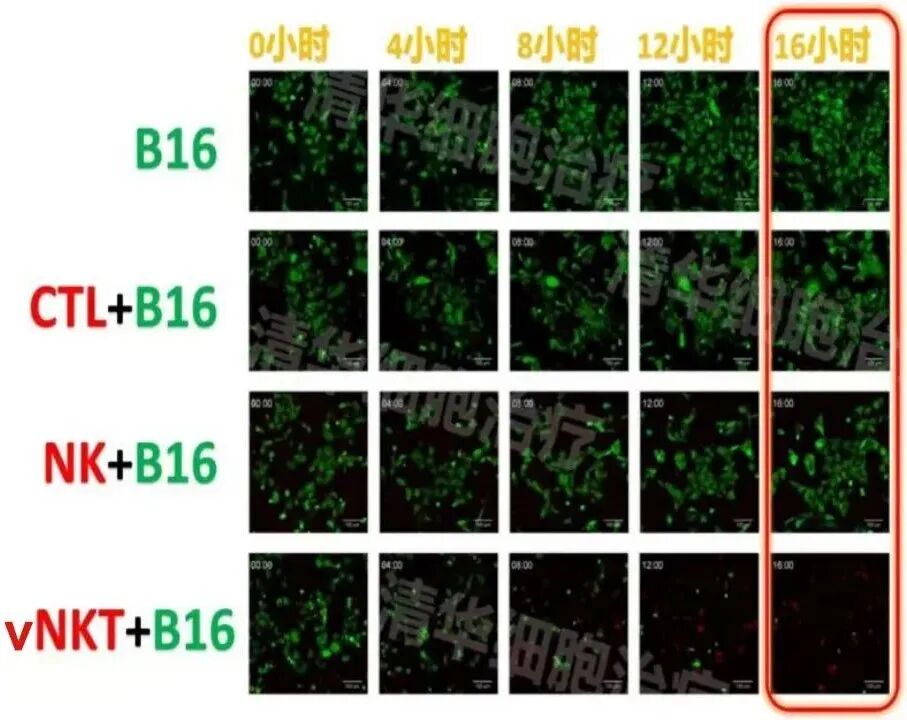
Experimental conditions: In the presence of vNKT cells, after 16 hours, nearly all B16 tumor cells were killed!

Professor Zhang provided Mr. Ma and his family with a detailed introduction to the vNKT treatment technology and the treatment outcomes of previous cases, and answered Mr. Ma's questions in detail. After thorough communication, he ultimately obtained the unanimous approval of Mr. Ma and his family. On July 26, 2021, vNKT cell therapy was initiated, with a regimen of one course every three months. By June 26, 2024, a total of 11 courses had been completed. During this period, the patient's condition remained stable with no signs of recurrence or metastasis. Currently, the patient is in good mental state, with good appetite and sleep, and a good quality of life.    


02          


Changes in tumor markers 

Tumor markers          


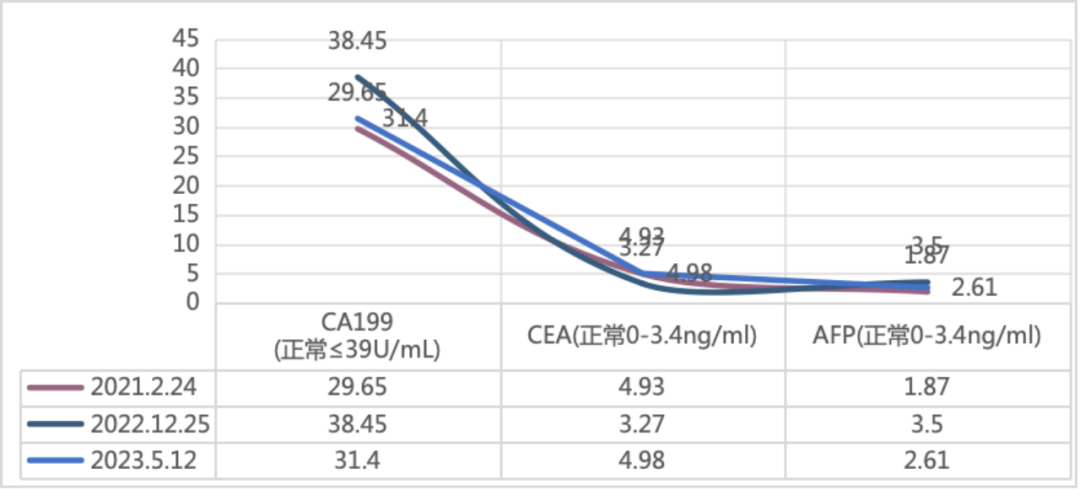
From February 2021 to May 2023, CA199 was normal. In February 2021, CEA was higher than normal, but in December 2022, it was within the normal range, and in May 2023, it was higher than normal. From February 2021 to May 2023, AFP was normal, and regular follow-up examinations were conducted.


03            


Imaging changes 

Imaging  changes            


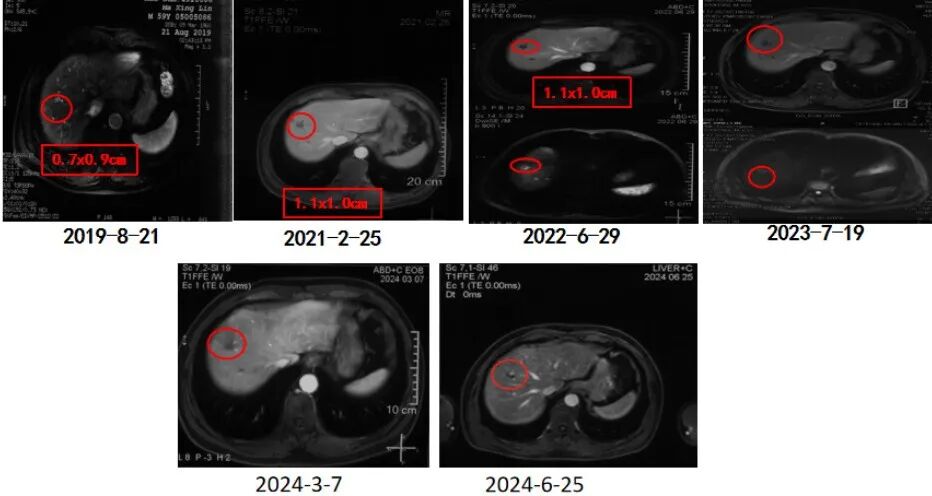
Abdominal MRI showed a nodular abnormal signal in the right anterior lobe of the liver on August 21, 2019, measuring approximately 0.7x0.9cm in size. Combined with imaging findings, liver cancer was considered a possibility. On 2252021, a follow-up MRI revealed irregular edges of the liver and a lesion cross-sectional size of approximately 1.1cmx1.0cm. Dynamic contrast-enhanced imaging with GD-EOB-DTPA injection did not show significant abnormal enhancement, consistent with MRI findings after intervention in the right anterior lobe of the liver. On 292022, a follow-up MRI showed no significant change in size compared to previous scans, but the DWI sequence showed a circular high signal shadow, indicating residual tumor activity. On 192023, a follow-up MRI showed no enhancement, indicating post-treatment changes. On March 7, 2024, a follow-up MRI showed no enhancement, indicating changes after interventional therapy. On 252024, a follow-up MRI after ablation showed no enhancement and regular follow-up is recommended.


04      


Conclusion and Comments      

Conclusion and Commentary


Many cancer patients believe that once the tumor disappears or stabilizes after conventional anti-tumor treatment, they have achieved great success and can rest assured. This is a very dangerous concept. Any malignant tumor has a certain degree of recurrence risk after treatment, especially in cases where tumor residuals or carcinogenic factors persist. If subsequent treatment is neglected, recurrence is a high-probability event. Mr. Ma was diagnosed with liver cancer during regular check-ups and promptly underwent interventional combined with radiofrequency ablation therapy. Although his condition was stable during a short-term follow-up after treatment, the high-risk carcinogenic factors of chronic viral hepatitis B and cirrhosis persisted, so the risk of recurrence or reoccurrence of liver cancer remains high.  


After a comprehensive evaluation, Mr. Ma actively underwent vNKT cell therapy and has been in stable condition for 5 years since the onset of the disease, achieving the expected therapeutic effect. In this process, vNKT cell immunotherapy played an indispensable role in reducing the risk of recurrence and metastasis, providing patients with the possibility of long-term tumor stability or even cure.  

 
Since the discovery of vNKT cells in 2002, Professor Zhang Minghui's research team has been engaged in research for over 20 years, accumulating treatment experience from over 700 cases of solid tumors, covering almost all common solid tumors. The research results fully demonstrate the great value of vNKT in the treatment of solid tumors, applicable to postoperative patients with high pathological malignancy or recurrence risk; patients whose tumors have been basically controlled but not cured through conventional treatments such as chemotherapy, radiotherapy, and targeted therapy; and patients with persistent high carcinogenic factors. If these patients do not receive effective follow-up treatment after traditional anti-tumor therapy, recurrence, metastasis, or reoccurrence of tumors will be a high probability event. In this case, vNKT cell therapy is an ideal follow-up treatment method, which can significantly improve the prognosis of patients.  


Link   
Series          
I
         
Scan QR code
Communication with Professor Zhang Minghui's team


Click on the image to view past exciting content


References:

[1] CONCORD Working Group. Global surveillance of trends in cancer survival 2000-14 (CONCORD-3): analysis of individual records for 37 513 025 patients diagnosed with one of 18 cancers from 322 population-based registries in 71 countries[J]. Lancet, 2018; 391(10125):1023-75.


[2]MURAI H, KODAMA T, MAESAKA K, et al. Multiomics identifies the link between intratumor steatosis and the exhausted tumor immune microenvironment in hepatocellular carcinoma[J]. Hepatology, 2023, 77(1): 77-91. DOI: 10.1002/hep.32573


[3]HILL A, OLUMBA F, CHAPMAN W. Transplantation for hepatocellular carcinoma[J]. Surg Clin North Am, 2024, 104(1): 103-111. DOI: 10.1016/j.suc.2023.09.002.


[4]KARDASHIAN A, FLORMAN SS, HAYDEL B, et al. Liver transplantation outcomes in a U.S. multicenter cohort of 789 patients with hepatocellular carcinoma presenting beyond Milan criteria[J]. Hepatology, 2020, 72(6): 2014-2028. DOI: 10.1002/hep.31210.


[5]CHOI J, JO C, LIM YS. Tenofovir versus entecavir on recurrence of hepatitis B virus-related hepatocellular carcinoma after surgical resection[J]. Hepatology, 2021, 73(2): 661-673. DOI: 10.1002/hep.31289.


[6]RASIC G, de GEUS SWL, BEAULIEU-JONES B, et al. A nationwide propensity score analysis comparing ablation and resection for hepatocellular carcinoma[J]. J Surg Oncol, 2023, 127(7): 1125-1134



Written by: Liu Peng      
Reviewed by: Qiao Jiacheng, Wang Ying, Gao Chen
Edited/typeset by Zhang Jiao


Reposting is a driving force, sharing is a virtue