About Lehe
乐于心,和与众,与己乐,与人和; 心宽念纯,百病无生。


乐于心,和与众,与己乐,与人和; 心宽念纯,百病无生。




Overview of the illness
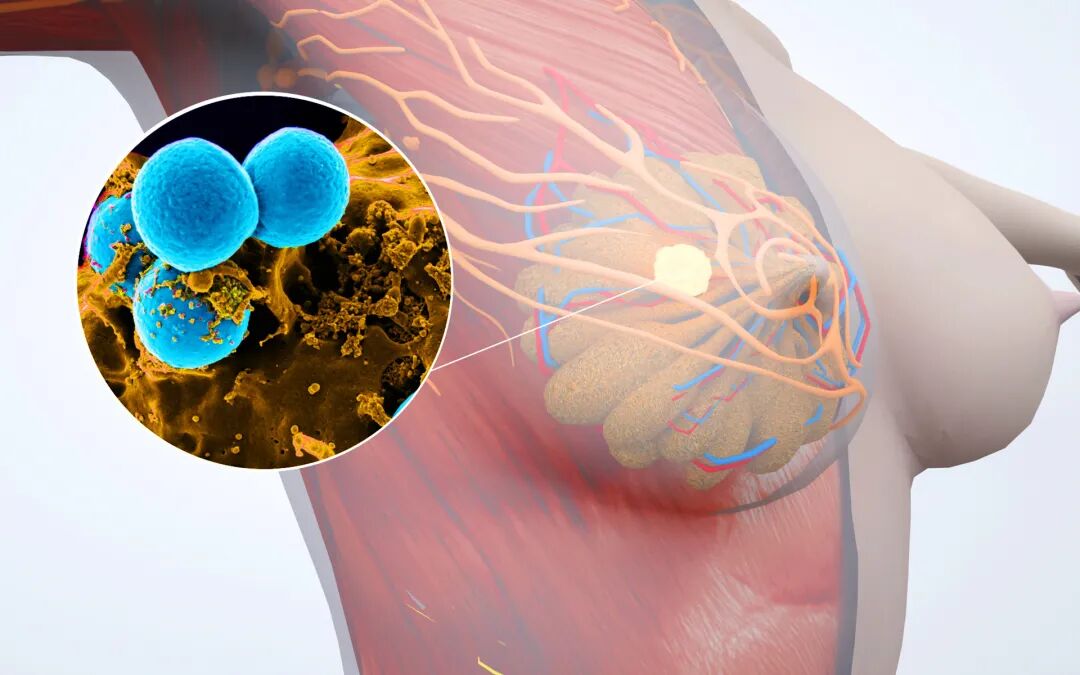
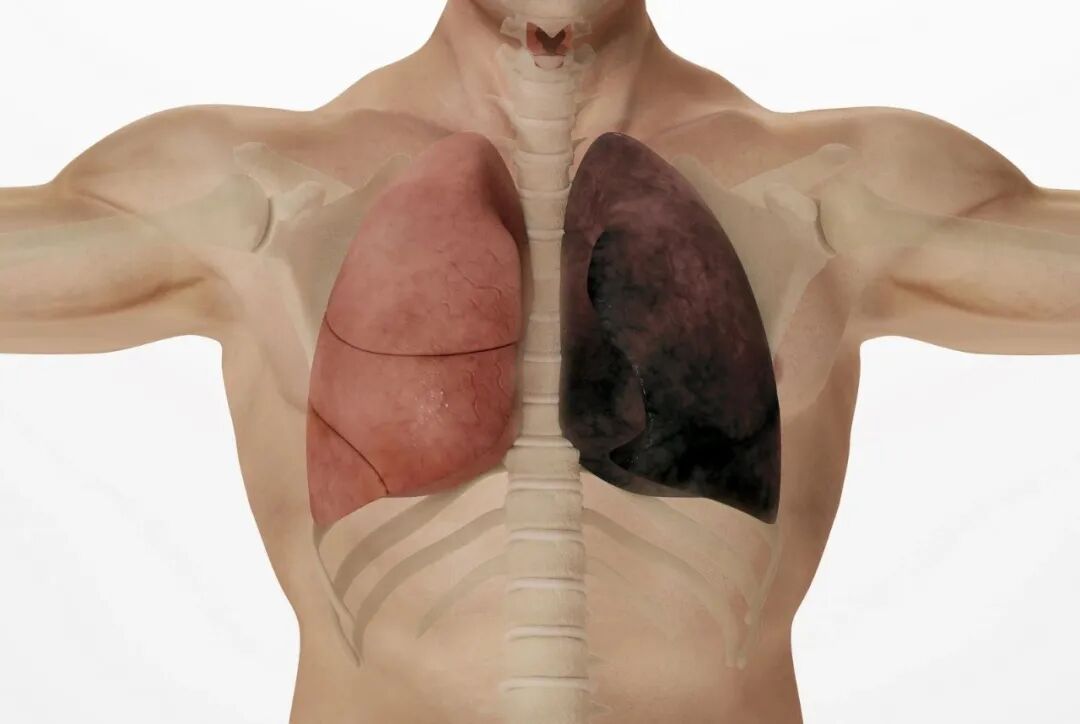
Although Ms. Ren had completed standard treatments for breast cancer and newly diagnosed lung cancer, including surgery, chemotherapy, and targeted drug therapy, she still faced the risk of recurrence and metastasis due to her predisposition to cancer and significant vulnerabilities in her immune system. Although the existing treatment methods could control tumor growth, they were unable to completely eliminate small lesions in the body, and the potential weaknesses of the immune system remained, causing her deep concern, especially the constant anxiety over the risk of lung cancer recurrence.
During her search for medical treatment, Ms. Ren learned about the successes achieved by Professor Zhang Minghui's team in vNKT cell immunotherapy. She realized that this therapy, by enhancing the immune response of natural killer T cells, could specifically eliminate small tumor lesions in the body and restore the balance of the immune system, thus providing her with a new hope for treatment.
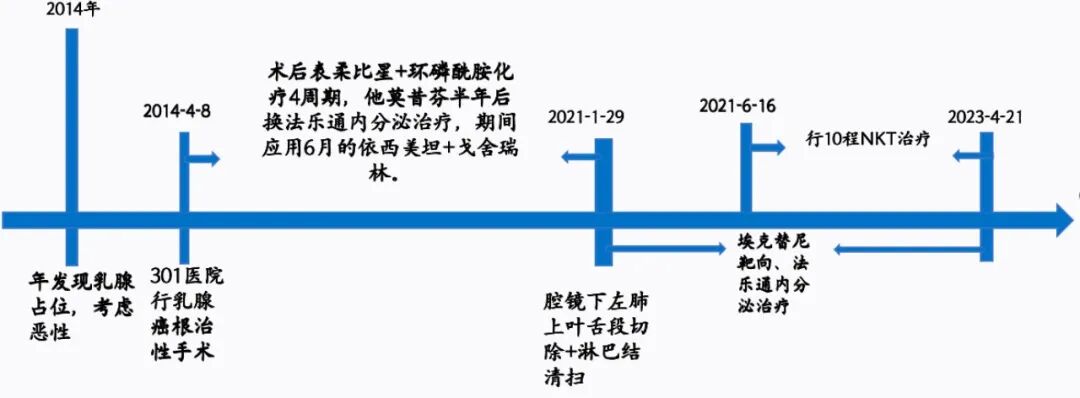
After evaluation by Professor Zhang Minghui's Lehexin Medical team, Ms. Ren began receiving vNKT cell immunotherapy on June 16, 2021. The initial treatment plan was once a month, later adjusted to once every two months. As of April 21, 2023, she had completed 10 courses of vNKT cell therapy.
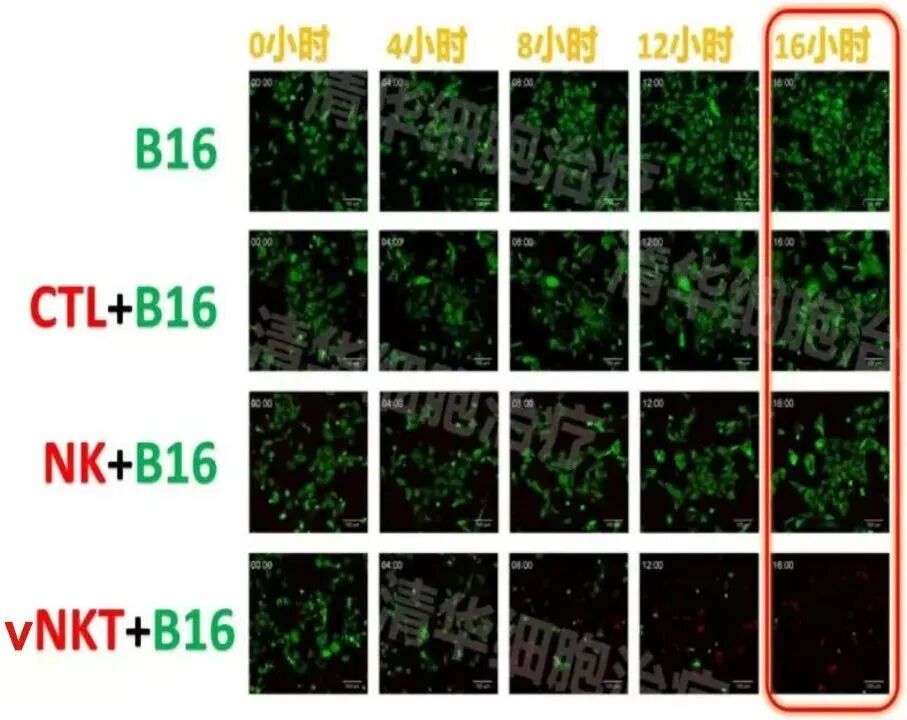
Experimental conditions: In the presence of vNKT cells, after 16 hours, nearly all B16 tumor cells were killed!
Imaging changes
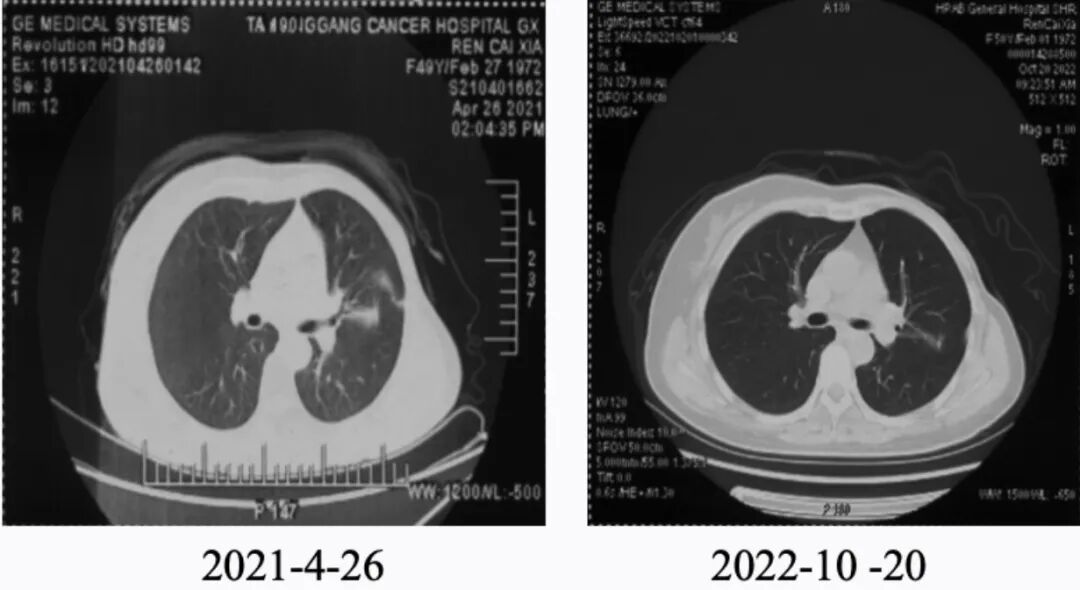
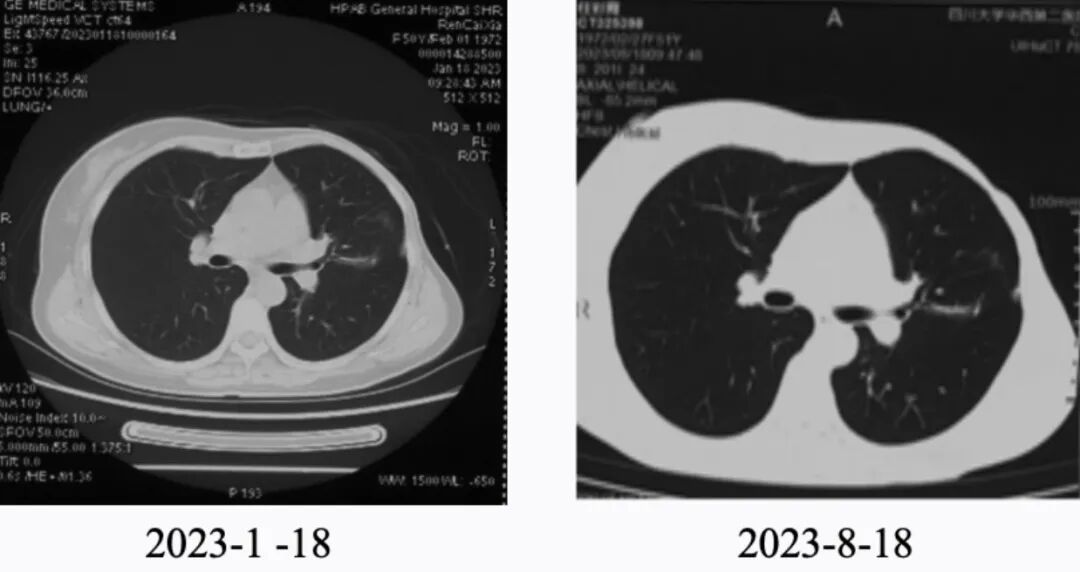
Ms. Ren underwent regular chest CT scans after surgery to assess disease progression. Multiple chest CT scans from April 2021 to October 2022 showed a missing left breast area due to surgery, with a streak shadow in the lingular segment of the left upper lobe, which was considered a postoperative change; multiple solid nodules in both lungs, with some nodules showing progressive shrinkage. The follow-up results in January 2023 and August 2023 showed that,The pulmonary nodules continued to shrink, with no new tumor lesions or metastasis observed. This indicates that vNKT cell immunotherapy has achieved significant results in controlling tumor recurrence and metastasis.
Tumor marker changes
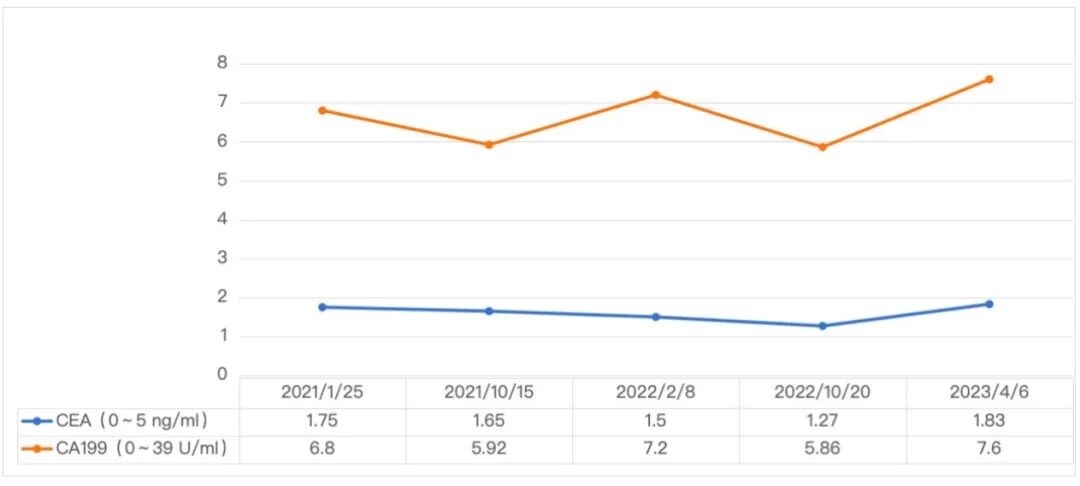
During the treatment process, Ms. Ren underwent regular monitoring of tumor markers (CEA, CA199). The follow-up results from January 25, 2021, to April 6, 2023, showed that the tumor markers remained within the normal range without significant elevation, further demonstrating the effectiveness of the treatment.
vNKT cell immunotherapy has not only made significant progress in controlling tumor growth but also helped patients restore the function of their immune system, reducing the immune system damage caused by chemotherapy and radiotherapy, and providing patients with new treatment options. As a novel immunotherapy method, vNKT cell immunotherapy has demonstrated great potential in preventing tumor recurrence and metastasis.
Conclusion and Review< H167>
Facing the challenge of new-onset lung cancer after breast cancer treatment, current traditional treatment methods typically involve re-operation, local minimally invasive therapy, and combined systemic drug therapy, such as chemotherapy, targeted therapy, and immunotherapy. Although these treatments can effectively inhibit tumor cell growth in the short term, drug resistance is inevitable, making long-term effective control unachievable. Additionally, the side effects during treatment are relatively significant, potentially causing damage to the immune system, hematopoietic system, and other organs. Therefore, they are not ideal adjuvant therapy options after surgery.
vNKT cell therapy, on the other hand, activates immune cells to eliminate residual or newly emerging tumor cells and helps rebuild the immune microenvironment, with almost no side effects. After surgical treatment, the tumor burden has been significantly reduced, making vNKT cell therapy the optimal intervention opportunity.
After receiving vNKT cell therapy, Ms. Ren's condition was stably controlled, highlighting the potential of vNKT cell therapy in the treatment of new-onset lung cancer after breast cancer. Her case suggests that a comprehensive treatment strategy combining surgery and vNKT cell immunotherapy may provide patients with more effective long-term disease control, even achieving cure.


Scan QR code
Communicate with Professor Zhang Minghui's team
Click on the image to view the exciting content from previous issues

Address: Room 1101 (Unit 101), 11th Floor, Building 1, No. 7 Courtyard, Kexueyuan Road, Life Science Park, Changping District, Beijing
Phone:010-8265 9866
Email:lehemedneo@hotmail.com