About Lehe
乐于心,和与众,与己乐,与人和; 心宽念纯,百病无生。

乐于心,和与众,与己乐,与人和; 心宽念纯,百病无生。


Overview of the illness
2018 The routine physical examination in September changed Ms. Zhang's life trajectory. Gastroscopy revealed abnormalities in the mucosa of the cardia and gastric fundus, and pathological diagnosis confirmedadenocarcinoma of the cardia and gastric fundus.

The first choice for treatment is endoscopic submucosal dissection (ESD), which is a minimally invasive procedure that preserves the gastric structure. However, compared to radical surgery, it has limitations—Just like removing weeds under the topsoil, it is difficult to completely eradicate the deep roots.
Studies have shown that there is no significant difference in overall survival rate between ESD and surgical treatment for early gastric cancer, but the recurrence-free survival rate is significantly lower in the ESD group than in the surgical group[1]Postoperative pathologysuggestsa hidden danger: Cancer cells have invaded the submucosal layer, setting the stage for recurrence two years later.
In September 2020, warning signs such as weight loss and decreased appetite accompanied a surge in the CA724 indicator to over 20 (normal value < 6.9 U/mL), sounding the alarm for recurrence once again. A follow-up gastroscopy confirmed tumor recurrence, and this time, radical total gastrectomy had to be performed.
Postoperative pathological results revealed poorly differentiated adenocarcinoma, infiltrating the serosal layer, with visible intravascular cancer thrombus and nerve invasion, and lymph node metastatic cancer(5/22). Genetic testing showed a skip mutation in exon 14 of MET.
After the surgery, Ms. Zhang began a 3-cycle SOX regimen chemotherapy. However, the side effects of chemotherapy quickly emerged - nausea, vomiting, and fatigue followed one after another. What made her most painful was that just after the surgery, her digestive function was very weak, and "Every meal felt like a battle, with one bite followed by two spits ." Poor nutritional status was an important reason for Ms. Zhang's subsequent chemotherapy intolerance .
2021 In February of the year, a re examination showed severe bone marrow suppression in, and the doctor had to adjust the plan to monotherapy with Tiggo. Although the side effects were reduced to some extent, the inability to keep up with nutrition affected the tolerance of chemotherapy. In June 2021, due to bone marrow suppression, treatment was once again interrupted. Later, PD-1 inhibitors (Xindilimumab) were used to treatuntil now..
Chemotherapy drugs, as cytotoxic agents, kill cancer cells by interfering with cell division and proliferation. However, the indiscriminate nature of chemotherapy drugs mistakenly damages those actively dividing normal cells , such as hematopoietic cells in the bone marrow , , thereby causing bone marrow suppression.

Meanwhile, postoperative pathology revealed synergistic amplification of high-risk factors, including poorly differentiated adenocarcinoma, intravascular tumor thrombus, nerve invasion, and lymph node metastasis, all indicating a poor prognosis.
After experiencing repeated setbacks with traditional treatments, Ms. Zhang once fell into confusion. She couldn't undergo chemotherapy, and targeted drugs were not applicable. Could she only wait for the disease to recur again?
After learning about the mechanism and advantages of vNKT cell therapy from Professor Zhang Minghui's Lehenew medical team, Ms. Zhang believed that this method was very suitable for her current physical condition and treatment needs.
1. Dual killing mechanism: vNKT cells combine the rapid killing ability of NK cells with the precise recognition ability of T cells, enabling them to efficiently target and eliminate cancer cells while avoiding damage to normal cells.
2. Natural safety: As naturally occurring immune cells in the human body, vNKT cells have not undergone genetic engineering, thus resulting in fewer side effects and good patient tolerance, especially for patients who are intolerant to chemotherapy.
3. Synergistic Effect: vNKT cells can reshape the tumor microenvironment, delay the emergence of resistance to PD-1 inhibitors, and achieve a therapeutic effect where 1+1>2.
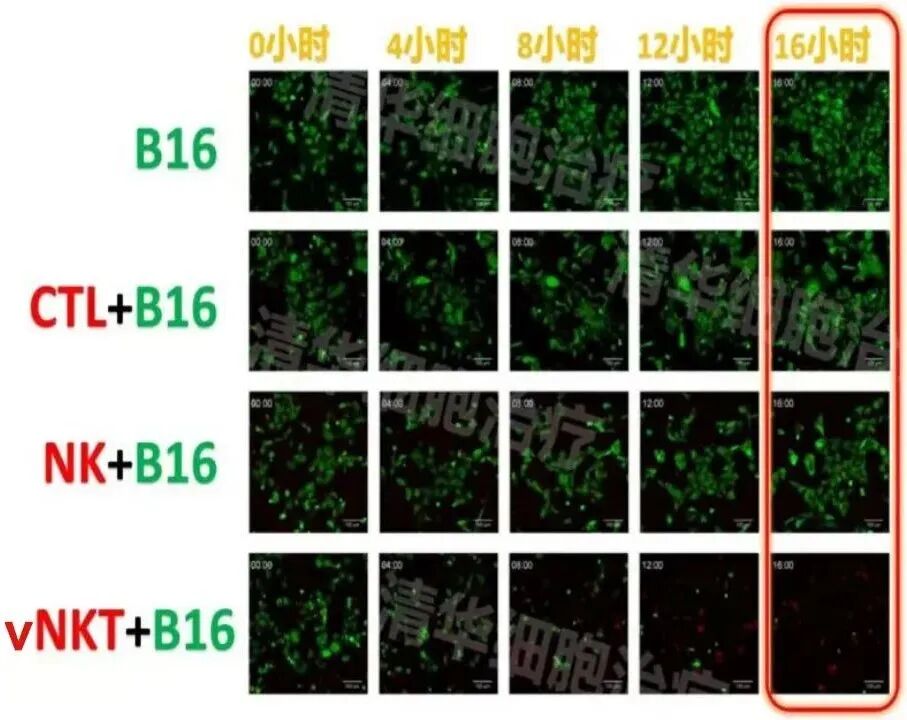
Experimental conditions: In the presence of vNKT cells, after 16 hours, nearly all B16 tumor cells were killed!
Since April 25, 2022, Ms. Zhang has been receiving vNKT cell therapy, with up to March 12, 2024, she has completed 15 courses of treatment. After systematic treatment, her condition has significantly improved, with no abnormalities observed in imaging follow-up and stable tumor markers. She has achieved 4 years of recurrence-free survival . Her quality of life has significantly improved, her mental state is good, she is energetic, and her daily life has fully returned to normal.
Imaging changes
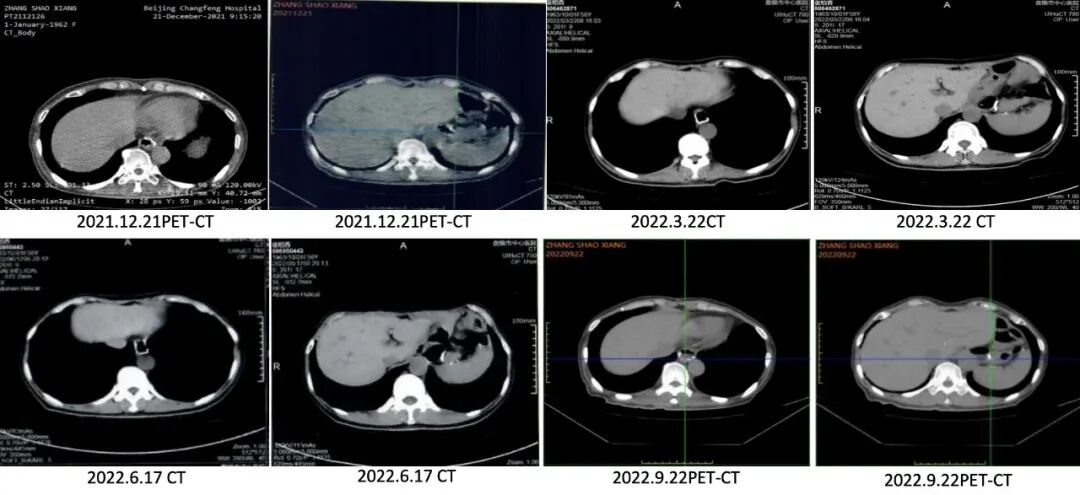
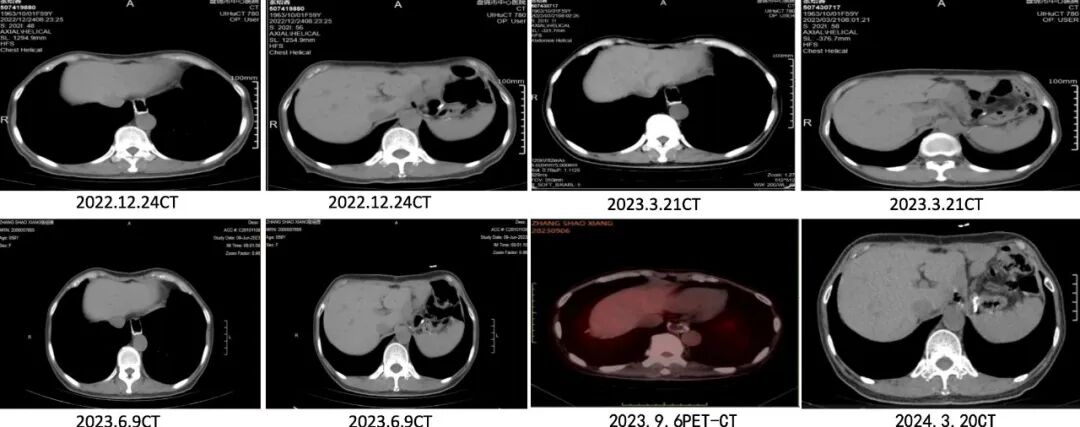
Upper abdominal imaging reveals: In December 2021, the stomach was absent, and dense shadows were visible in the lower esophagus and upper abdominal intestines, suggesting postoperative changes. No obvious signs of recurrence were observed in the surgical area. From March 2022 to March 2024, follow-up imaging showed no significant changes compared to previous images.
Conclusion and Review< H307>
Tumortreatment is a tough battle against time, requiring a delicate balance between efficacy and safety. For patients who frequently experience bone marrow suppression due to chemotherapy, vNKT cell therapy offers a novel approach to breaking the deadlock - it can precisely eliminate tumor cells while protecting hematopoietic function, paving a promising path to overcome treatment bottlenecks. vNKT cell therapy not only precisely eliminates tumor cells but also protects hematopoietic function, opening up a promising path to overcome treatment bottlenecks
References[1] Zhao Zhongkai, Wang Ye, Liu Xin, et al. Analysis of the efficacy and safety of endoscopic submucosal dissection and surgical treatment for early gastric cancer[J]. Chinese Journal of Minimally Invasive Surgery, 2023, 23(06):416-421.
Cancer Support:Add Lehe and Little Assistant on WeChat to get more cancer-fighting recipes, and join patient groups to share experiences and encourage each other.
On the road to fighting cancer, you are not alone. Every treatment choice is a solid step towards hope.
Scan QR code
to communicate with Professor Zhang Minghui's team
Founder of Lehe New Medicine
Professor Zhang Minghui, a PhD in Immunology from Tsinghua University School of Medicine, has led a research team for over 20 years since the discovery of vNKT cells in 2002. They have accumulated treatment experience in over 700 cases of solid tumors, covering almost all common solid tumors. The research results fully demonstrate the great value of vNKT in the treatment of solid tumors.
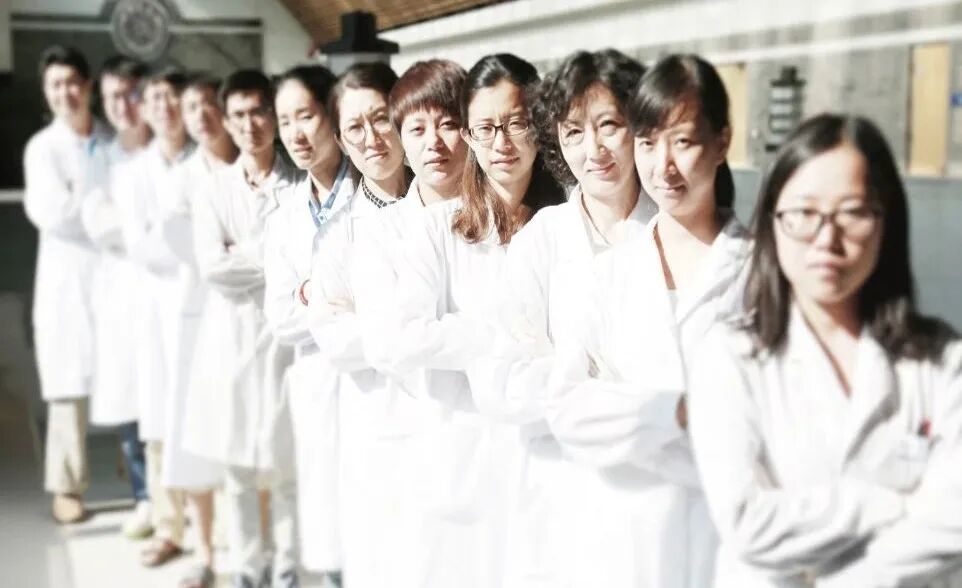
Applicable to postoperative patients with high pathological malignancy or a risk of recurrence; patients whose tumors have been largely controlled but not cured through conventional treatments such as chemotherapy, radiotherapy, and targeted therapy; patients with persistent high carcinogenic factors; and patients intolerant to radiotherapy and chemotherapy. If these patients do not receive effective follow-up treatment after traditional anti-tumor therapy, recurrence, metastasis, or re-emergence of tumors will be highly probable. In this case, vNKT cell therapy is an ideal follow-up treatment method, which can significantly improve the patient's prognosis.
Click on the image to view the exciting content from previous issues


Address: Room 1101 (Unit 101), 11th Floor, Building 1, No. 7 Courtyard, Kexueyuan Road, Life Science Park, Changping District, Beijing
Phone:010-8265 9866
Email:lehemedneo@hotmail.com