Contact Us Careers
Other Solid Tumors

If there is cancer in the body, can urine tell us first? Gross hematuria cannot be ignored!

时间:2026-04-15 人气:
Click on the blue text in    to follow us


Although urine is considered a "waste product" of the body, it also serves as a "mirror" to our health. Intermittent painless gross hematuria, one of the typical symptoms of kidney cancer, is characterized by the absence of significant pain and tends to recur. This apparent "calmness" often conceals the severity of the disease, causing many patients to miss the optimal time for treatment.


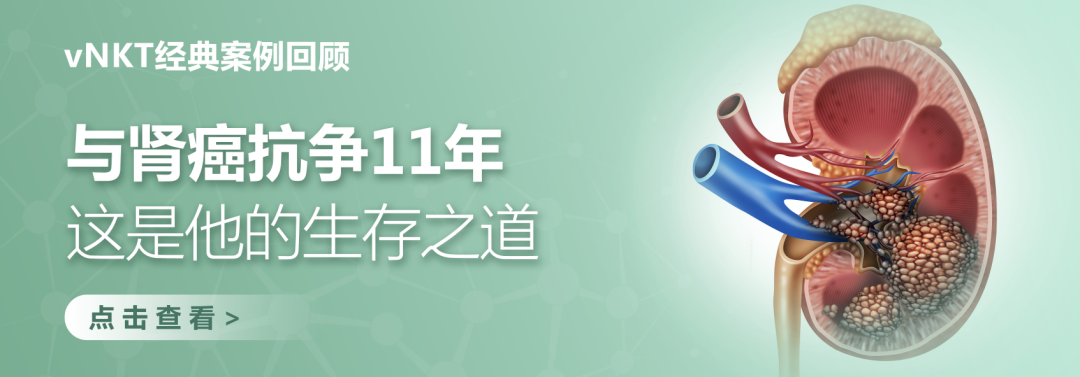
One day in 2013, Mr. Chen accidentally noticed that his urine had turned red in his daily life. This condition occurred intermittently: one day he had hematuria, and the next day he returned to normal. At first, he did not pay much attention to it, and it was only after the symptoms recurred multiple times that he went to the hospital for examination. Ultrasound revealed a huge space-occupying lesion measuring 6.6×5.4 cm on the upper pole of his left kidney. Further diagnosis confirmed clear cell carcinoma.
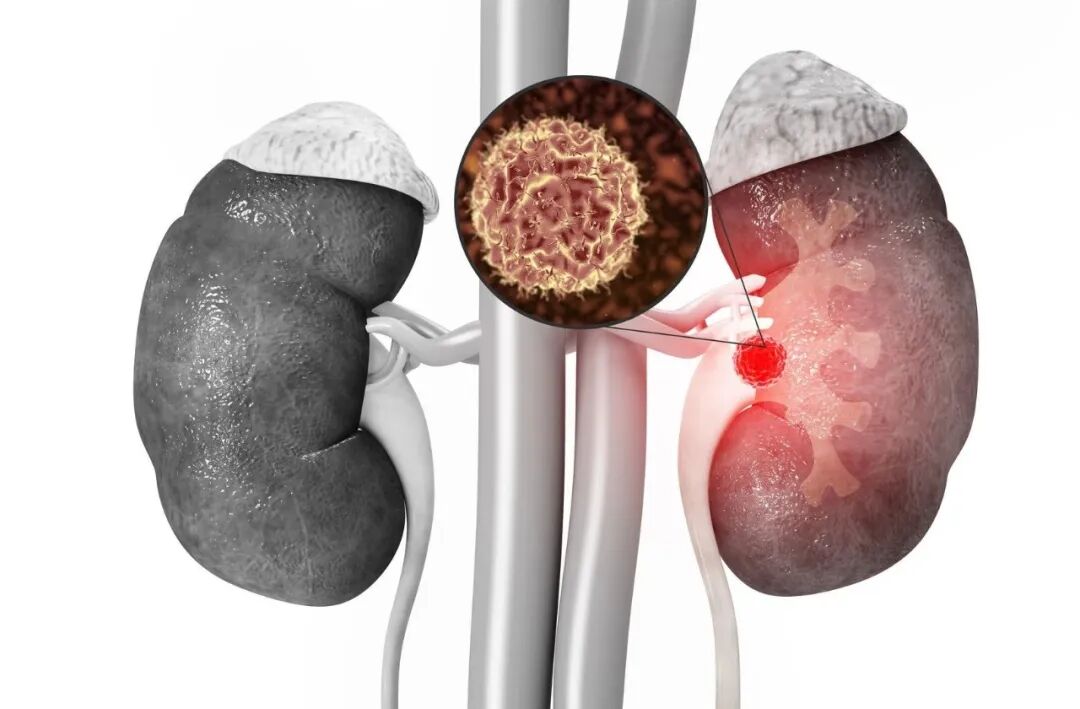


Renal cancer (also known as renal cell carcinoma) is one of the three major malignant tumors of the urinary system. Although its incidence rate is lower than that of prostate cancer and bladder cancer, its mortality rate is much higher than the latter two, mainly due to the insidious onset of early renal cancer, which requires our utmost attention.


Renal cell carcinoma has a typical "renal cell carcinoma triad"
Blood in urine    

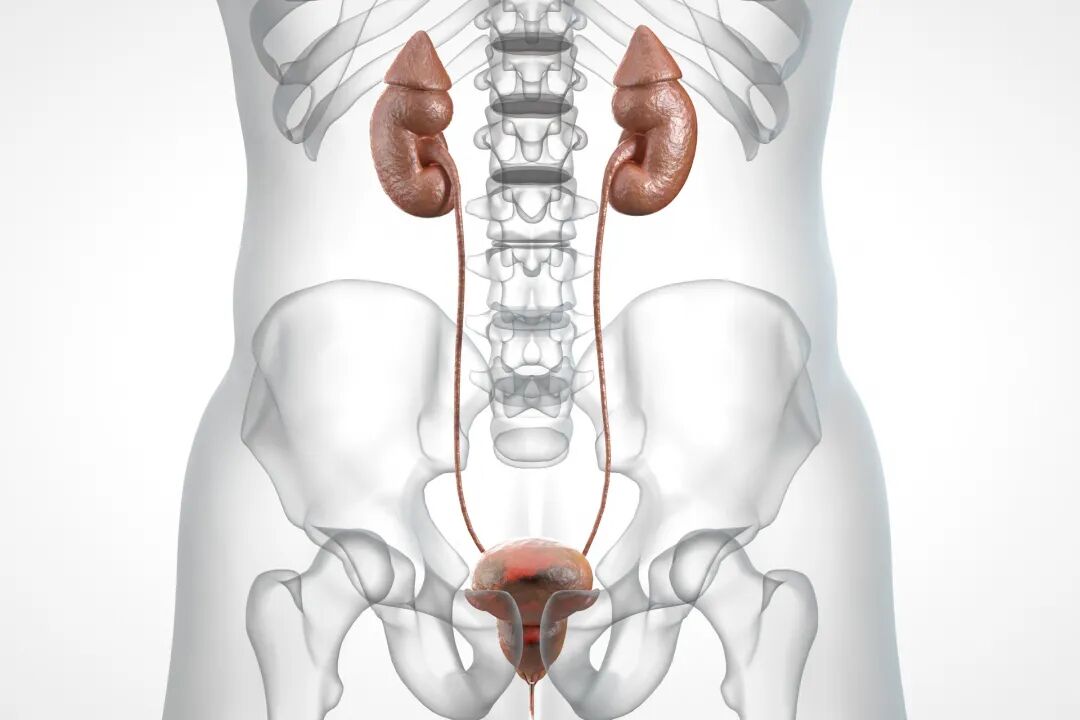
As one of the most common manifestations of kidney cancer, it presents as intermittent, painless gross hematuria. Once it occurs, one should be alert to the severity of the condition.


Lumbago

Due to tumor compression of surrounding tissues or invasion of nerves, some patients may experience dull pain in the waist or upper abdomen.



Abdominal mass

When the tumor grows to a certain size, a mass can be felt in the upper abdomen or waist.



In addition, patients with kidney cancer may also present with "paraneoplastic syndromes", including nonspecific symptoms such as hypertension, anemia, and weight loss. However, the occurrence of these symptoms often indicates that kidney cancer has progressed to an advanced stage.


01              


Disease Overview

Overview of the illness

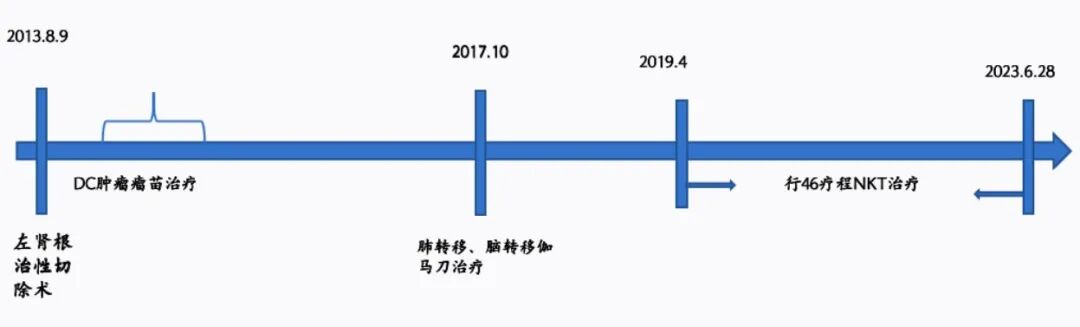
In March 2013, Mr. Chen underwent a radical nephrectomy via abdomen, and the postoperative pathology indicated grade ǁ clear cell renal carcinoma. Postoperatively, Mr. Chen embarked on the journey of autologous dendritic cell (DC) tumor vaccine therapy. However, the reality was not satisfactory.      

   
On October 12, 2017, a follow-up PET-CT scan revealed nodular shadows in the upper and lower lobes of the right lung with increased metabolism, suggesting a high possibility of malignant metastasis. There was also a slightly high-density circular shadow in the right occipital lobe, which was also considered to be a possible metastasis. In October 2017, Mr. Chen underwent gamma knife radiotherapy in the hospital for some lung lesions and brain metastases.

     
On February 20, 2019, a follow-up chest CT scan revealed an enlargement of the mediastinal metastatic tumor in the upper lobe of the right lung.      

     
Despite the considerable effort and expectations invested, autologous DC tumor vaccine therapy has failed to effectively suppress cancer cells. A deep exploration into the reasons for the failure of autologous DC tumor vaccine therapy reveals a complex interplay of multiple factors.      


Patient's individual immune characteristics:
The human immune system is complex and variable, with significant differences between individuals. Mr. Chen's own immune cell activity and immune regulatory ability may have certain shortcomings, making it difficult for the immune system to be fully activated to a level sufficient to fight cancer cells, even after the introduction of autologous tumor vaccine.      


Heterogeneity of cancer cells:

Clear cell renal cell carcinoma exhibits high heterogeneity, with diverse biological characteristics and gene expressions among individual cancer cells within the tumor population. Although the design of tumor vaccines initially relies on the patient's own tumor tissue, it is difficult to encompass all types of cancer cell variations. When cancer cells metastasize and enter new environments such as the lungs and brain, they further adapt and undergo new changes, developing mechanisms such as immune evasion, which render the originally targeted tumor vaccines partially ineffective.


External factors during treatment:            

The preparation process of autologous dendritic cell (DC) tumor vaccine requires extremely high complexity and precision. Any slight deviation in any step may affect the quality of the vaccine. From tumor tissue collection, cell isolation, culture to the final preparation of the vaccine, numerous steps are involved. Poor laboratory condition control and insufficient proficiency of technical personnel may lead to reduced vaccine activity, weakened immunogenicity, and ultimately failure to exert the expected anti-cancer effect.


Intervention of vNKT cell immunotherapy
Faced with the limitations of traditional treatment methods, Mr. Chen and his family did not give up hope. During their extensive search for medical treatment, they learned about the success achieved by Professor Zhang Minghui's team in vNKT cell immunotherapy.      

     
After evaluation by Professor Zhang Minghui's Lehexin Medical team, Mr. Chen has been undergoing vNKT cell therapy since April 2019, steadily progressing according to a monthly treatment plan (interrupted in February and March 2020 due to the impact of COVID-19). As of June 28, 2023, the patient has successfully completed 46 treatment courses.      

     
During this period, although attempts were made to use axitinib for targeted therapy, the patient experienced adjustments to dosage and withdrawal due to significant side effects, whereas vNKT therapy consistently played a crucial role.      


Treatment History


vNKT cell immunotherapy        


Natural killer T (NKT) cells, a special T-cell subset with both T-cell receptor (TCR) and NK cell receptors on its surface, combine the important characteristics of NK cells and T cells, possessing the dual ability to recognize tumor cells nonspecifically and specifically, and can rapidly kill tumor cells. Among the NKT cell subsets, there is a larger and more potent special type of soldier discovered by the experimental team led by Professor Zhang Minghui of Tsinghua University, namely the variant natural killer T (vNKT) cells.


The population of vNKT cells in the body is very small and they are not easily activated. However, once activated, they can effectively eliminate tumor cells that may remain undetected in the body. Additionally, research has found that vNKT cells exhibit dual anti-tumor effects. Not only can they directly kill cancer cells, but they can also regulate the immune microenvironment within tumor tissues, kill inhibitory immune cells such as MDSCs, break down tumor immune evasion, rebuild the normal immune system, and further prevent recurrence and metastasis.

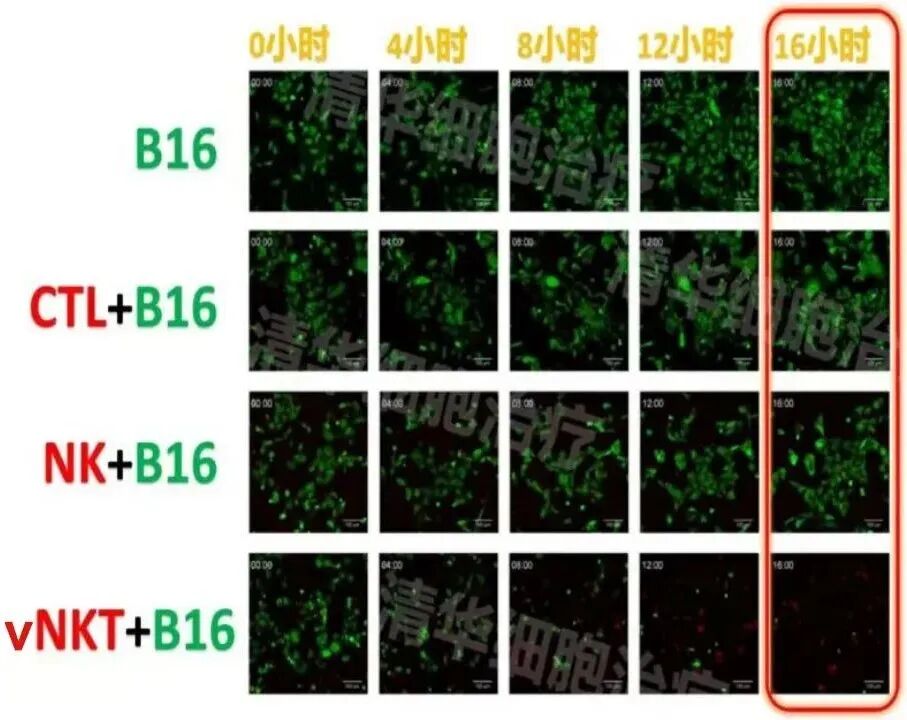
Experimental conditions: In the presence of vNKT cells, after 16 hours, nearly all B16 tumor cells were killed!


02


Imaging 

changes  changes


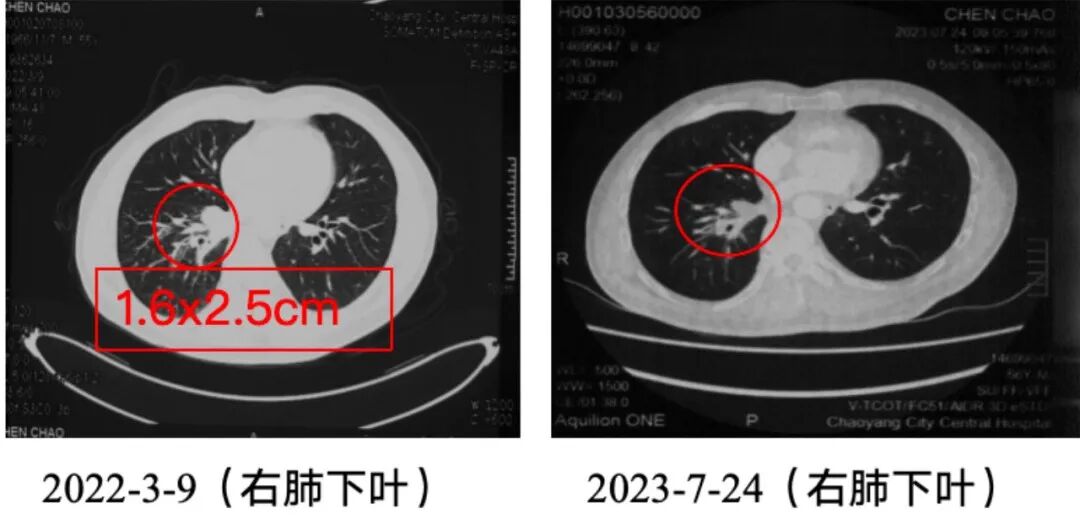
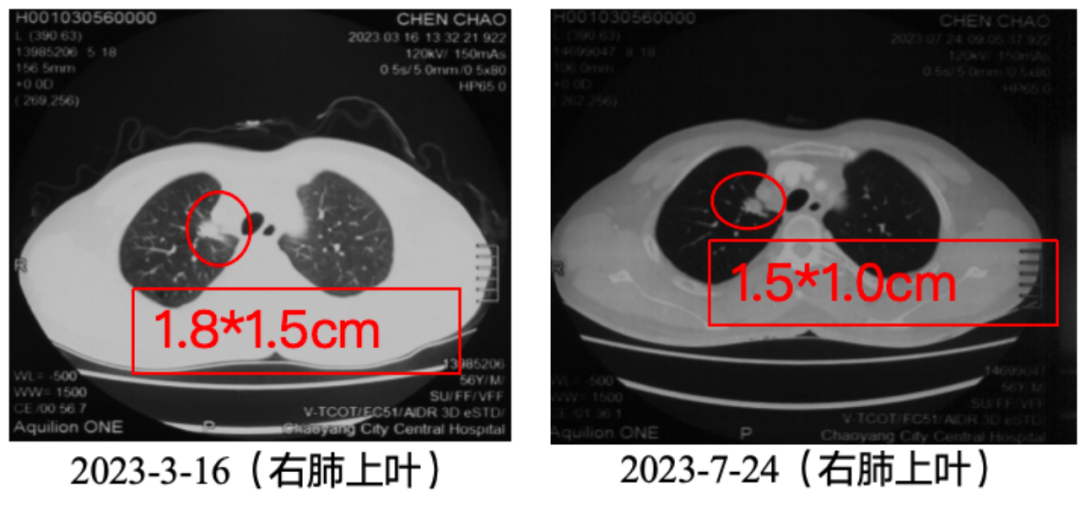
The pulmonary imaging findings have witnessed the remarkable effectiveness of vNKT treatment. By the follow-up examination in July 2023, the soft tissue nodular shadow in the right upper lobe had shrunk compared to before; the lesion area of the right lower lobe with increased density and mass-like appearance had significantly shrunk, showing a cord-like change. No new tumor lesions or metastasis were observed. This indicates that vNKT cell immunotherapy has achieved remarkable results in controlling tumor recurrence and metastasis.          


03                


Changes in tumor markers 

Tumor markers                


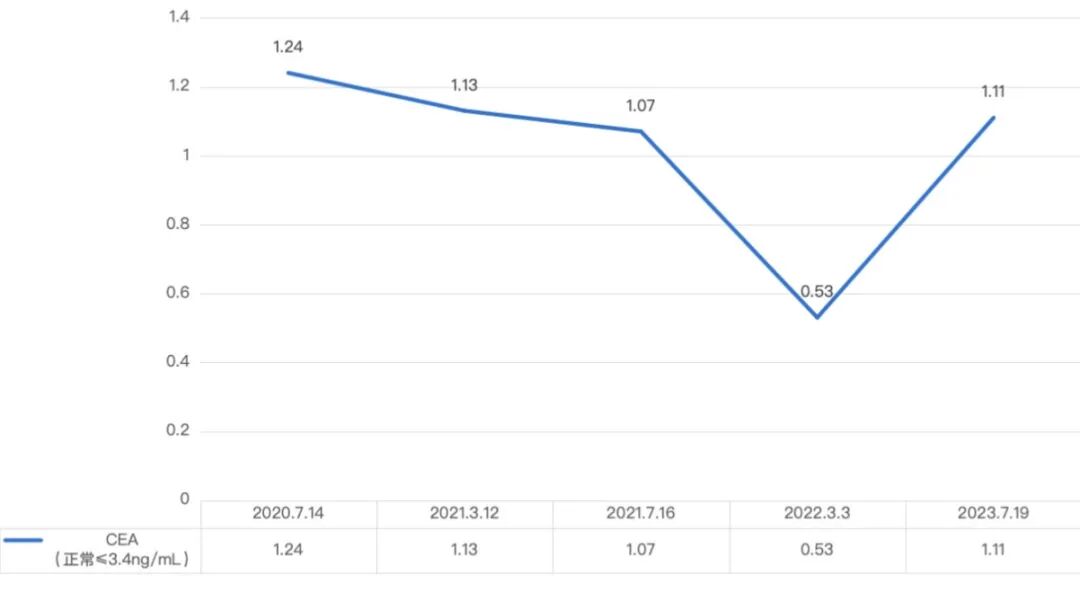
Mr. Chen regularly monitored tumor markers (CEA) during the treatment process. The follow-up results from July 2020 to July 2023 showed that the tumor markers remained within the normal range. This result not only indicates that the patient's condition is stable but also further verifies the effectiveness of the treatment.        

    
vNKT cell immunotherapy has demonstrated significant effectiveness in controlling tumor growth and plays a crucial role in the recovery of the patient's immune system. Compared to the immune damage that may be caused by traditional chemotherapy and radiotherapy, vNKT cell therapy exhibits significant advantages in inhibiting tumor recurrence and metastasis by enhancing the patient's immune function.        


04            


Conclusion and Review< H427>

Conclusion and Commentary            
Mr. Chen's experience has made us deeply realize that the road to fighting cancer is by no means smooth. Single treatment methods may have limitations. Continuously exploring and optimizing innovative therapies like vNKT treatment, and flexibly combining and applying multiple treatment methods according to individual patient conditions, is the key to conquering kidney cancer and even various types of cancer in the future. I believe that with the rapid development of medical technology, more patients will benefit from precise and efficient new anti-cancer strategies, ushering in a turning point in their lives.


Zhang Minghui          

Founder of Lehe New Medicine


Professor Zhang Minghui, with a PhD in Immunology from Tsinghua University School of Medicine, has led a research team for over 20 years since the discovery of vNKT cells in 2002. They have accumulated treatment experience in over 700 cases of solid tumors, covering almost all common solid tumors. The research results fully demonstrate the great value of vNKT cells in the treatment of solid tumors.


It is suitable for postoperative patients with high pathological malignancy or recurrence risk; patients whose tumors have been basically controlled but not cured after conventional treatments such as chemotherapy, radiotherapy, and targeted therapy; patients with persistent high carcinogenic factors; and patients intolerant to radiotherapy and chemotherapy. If these patients do not receive effective follow-up treatment after traditional anti-tumor therapy, recurrence, metastasis, or reoccurrence of tumors will be a high probability event. In this case, vNKT cell therapy is an ideal follow-up treatment method that can significantly improve patient prognosis.



Link        
System
I
       

Scan QR code

Communicate with Professor Zhang Minghui's team


Contributed by: Li Kun
Reviewed by: Qiao Jiacheng, Wang Ying, Gao Chen      
Edited/typeset by Zhang Jiao


Click on the image to view the exciting content from previous issues


What the fairies are watching              
Click on the top right corner of the homepage · · · Set as Starred !