About Lehe
乐于心,和与众,与己乐,与人和; 心宽念纯,百病无生。

乐于心,和与众,与己乐,与人和; 心宽念纯,百病无生。


Gastric ulcer may develop into gastric cancer due to recurrent episodes;
Patients with ulcerative colitis have a significantly elevated risk of intestinal cancer;
Hepatitis B /Hepatitis C induced cirrhosis can progress to liver cancer;
Chronic lung inflammation (such as pneumoconiosis, tuberculosis scars)
is closely related to lung cancer;
Gallstones and cholangitisare clear high-risk factors for cholangiocarcinoma.
“ Long term inflammation leads to cancer "is not an exaggeration. Medical research has long confirmed that long-term chronic inflammation is a breeding ground for cancer.
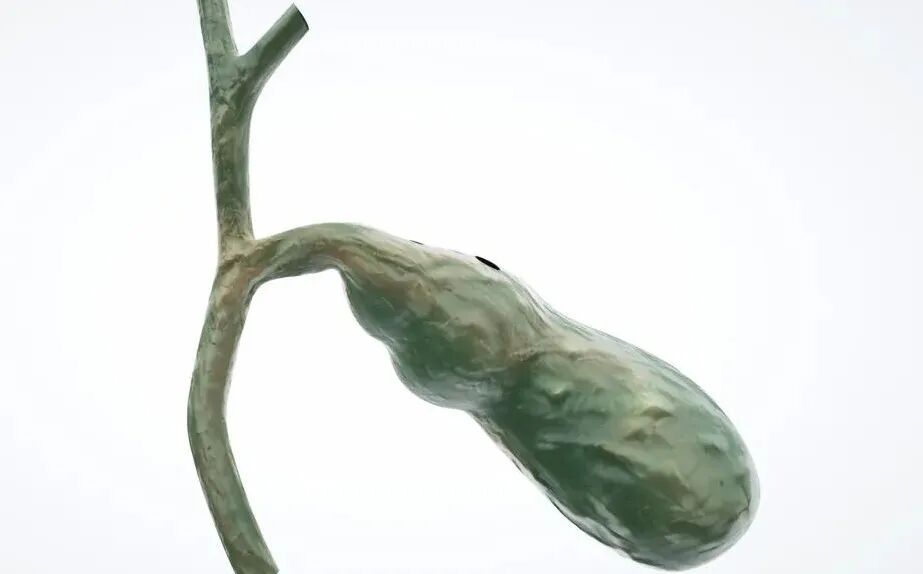
When inflammation cannot be cleared by the immune system, normal cells may “mutate” into cancer cells in a vicious cycle of continuous damage and repair. Today, we uncover the truth of “inflammation-induced carcinogenesis” through the real experience of a patient with bile duct cancer.
Overview of the illness
Inflammation basis: Mr. Luan, 63 years old, had a history of recurrent chronic cholecystitis before being diagnosed with bile duct cancer.
Canceration signals: In March 2022, he suddenly developed a high fever (39.5℃), initially diagnosed as EB virus infection, and continued to have intermittent fever after treatment .
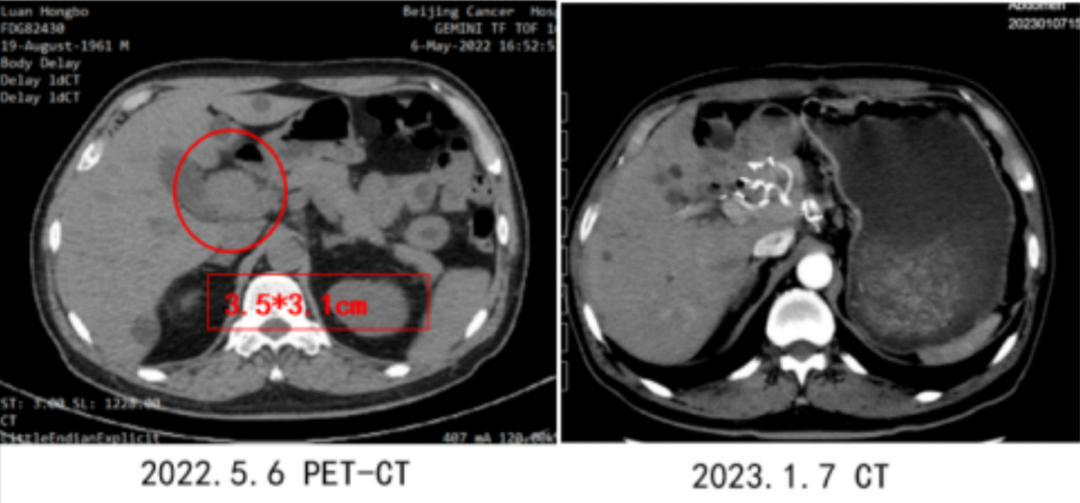
Diagnosed with cancer: On May 7, 2022, PET-CT indicated : a soft tissue density mass in the hepatic hilum region with abnormal increased radioactive uptake, with a relatively large concentration range on PET of approximately 3.5cmX3.1cm, conventional imaging SUVmax18.1, delayed imaging SUVmax20.6, accompanied by intrahepatic bile duct dilatation. Several lymph nodes with increased radioactive uptake were observed in the hepatic hilum region, between the portal and cavernous veins, and between the liver and pancreas. The largest one measured approximately 2.2cm x 1.5cm.
Treatment process: Mr. Luan underwent surgical treatment on May 24, 2022. Postoperative pathology revealed poorly differentiated adenocarcinoma of the common bile duct, with dimensions of 4.3×3×2.5cm; several nodules were observed in the lymph nodes of the hepatoduodenal ligament. The staging was pT2aN1. Immunohistochemical results: EGFR (3+), HER2 (0), KI67 (80%+), , MLH1 (+), MSH2 (+), MSH6 (+), pan-TRK (-), PD-L1 (22C3) (CPS=8), PMS2 (+).
Postoperatively, the patient underwent six courses of chemotherapy, and has been regularly taking Dacogen since July 2022. In December 2022, the patient began receiving single-agent Erica immunotherapy, with one course every 21 days. In January 2023, the patient developed intrahepatic metastatic lesions, and underwent thermal ablation therapy.
Inflammation itself is a defensive response of the immune system, but if immunity is persistently in a seesaw battle, it creates favorable conditions for the carcinogenesis of inflammation. The changes in Mr. Luan's condition after surgery reveal this process: KI67 is up to 80% and pathology suggests poorly differentiated adenocarcinoma, which is associated with the long-term inflammation-induced immune surveillance dysfunction. The persistent inflammatory environment not only accelerates cancer cell proliferation but also significantly reduces the activity of T cells and NK cells, ultimately leading to the formation of intrahepatic metastatic lesions in January 2023. Faced with the potential risk of falling into a vicious cycle of recurrence-treatment, Mr. Luan is well aware that his body may not be able to withstand further surgery or chemoradiotherapy. After comprehensive consideration, he chose to undergo vNKT cell therapy to rebuild his immune defense line, leveraging its dual advantages of efficient cancer cell clearance and immune reconstruction, which have become the key to breaking the curse of cancer recurrence
1. Rapid and potent killing ability:
vNKT cells stand out for their rapid and efficient killing ability. They can quickly recognize and attack tumor cells, with a killing speed and capability far exceeding that of general NK cells and T cells. In addition, the CD8-positive characteristic on the surface of vNKT cells endows them with stronger cytotoxicity and anti-tumor activity, making them more advantageous in cancer treatment.
2. Enhancing the overall function of the immune system:
vNKT cell therapy can activate and enhance the patient's own immune system, improving the body's ability to monitor tumors. This overall enhancement of the immune system helps prevent tumor recurrence and metastasis in the long term after treatment, providing patients with continuous anti-tumor protection.
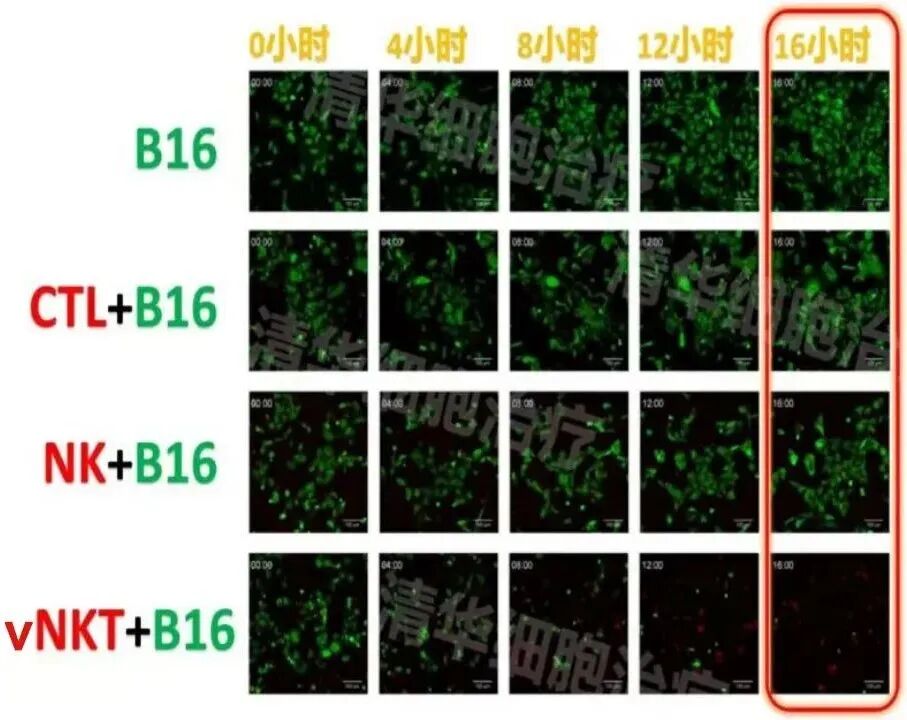
Experimental conditions: In the presence of vNKT cells, after 16 hours, nearly all B16 tumor cells were killed!
Mr. Luan began vNKT cell immunotherapy on February 24, 2023, with one course/month, and by December 12, 2024, 21 courses had been completed. Through individualized vNKT cell immunotherapy, the condition is stable with no recurrence.
Imaging changes
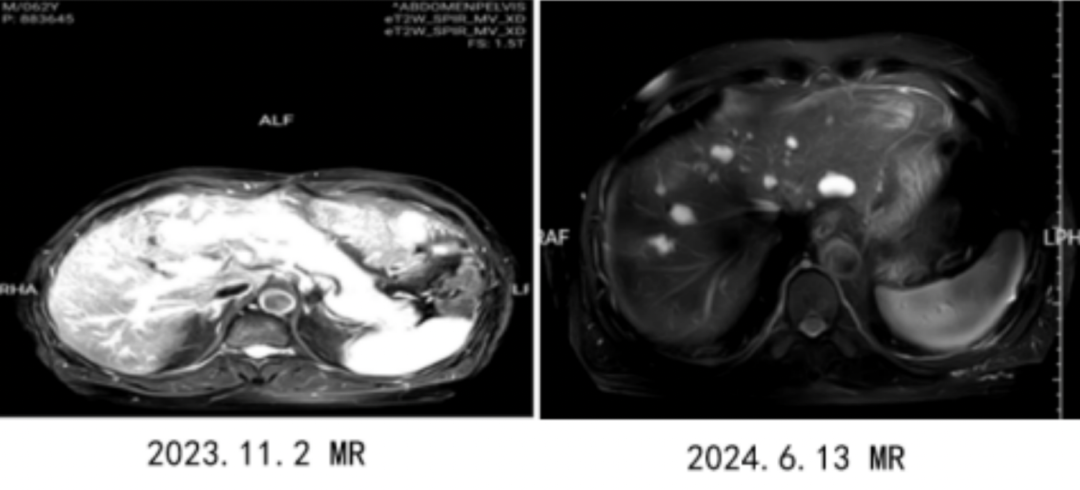
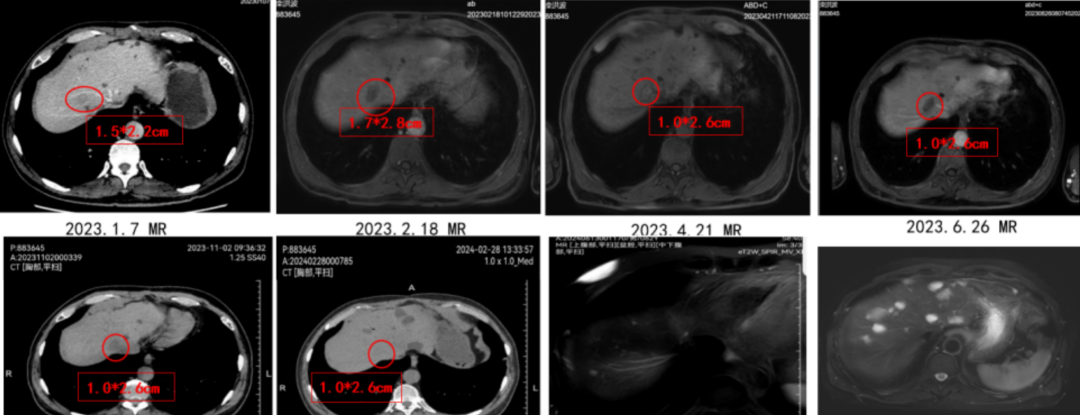

Persistent inflammation can lead to necrosis and proliferation of somatic cells, providing opportunities for cancer. Certain types of diet in daily life may induce persistent inflammation in the body and even accelerate the development of cancer. The following 3types of food may “add fuel to the fire”, and cancer patients should avoid them.
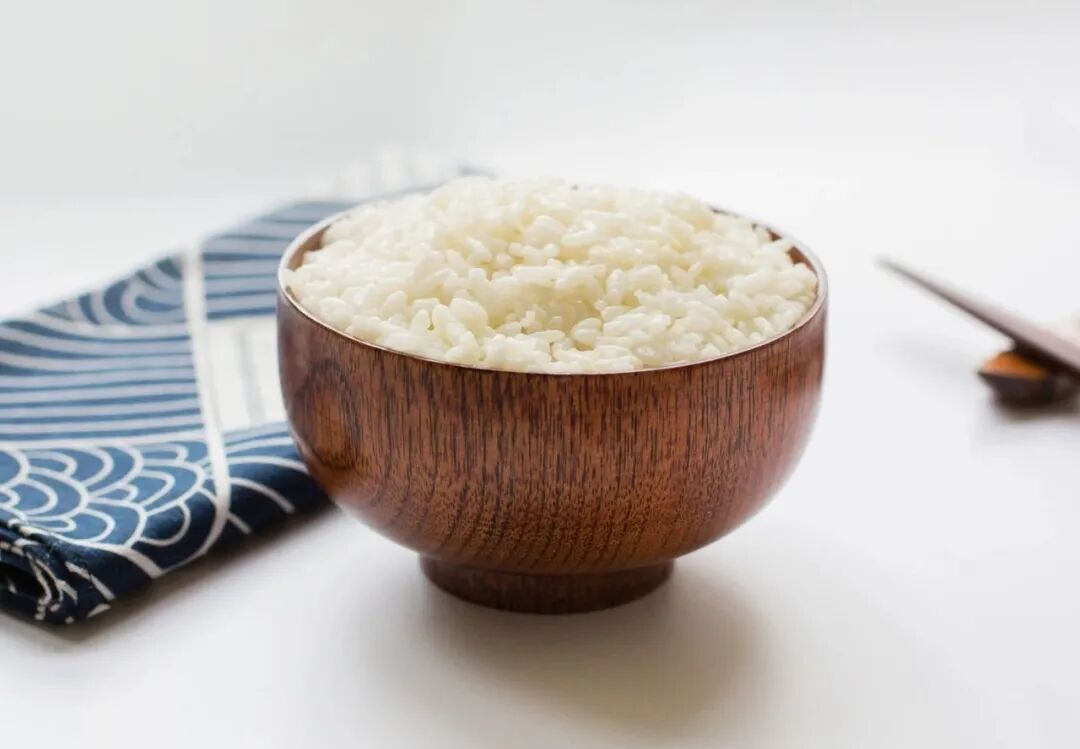
High-sugar foods and refined carbohydrates
White rice, refined pasta, desserts, and other foods that raise blood sugar levels can cause a sharp increase in blood glucose levels, prompting the release of large amounts of insulin and adrenaline, and leading to elevated levels of pro-inflammatory factors (such as IL-6, TNF-α). Long-term high-sugar diet can create a chronic inflammatory microenvironment, laying hidden dangers for carcinogenesis.
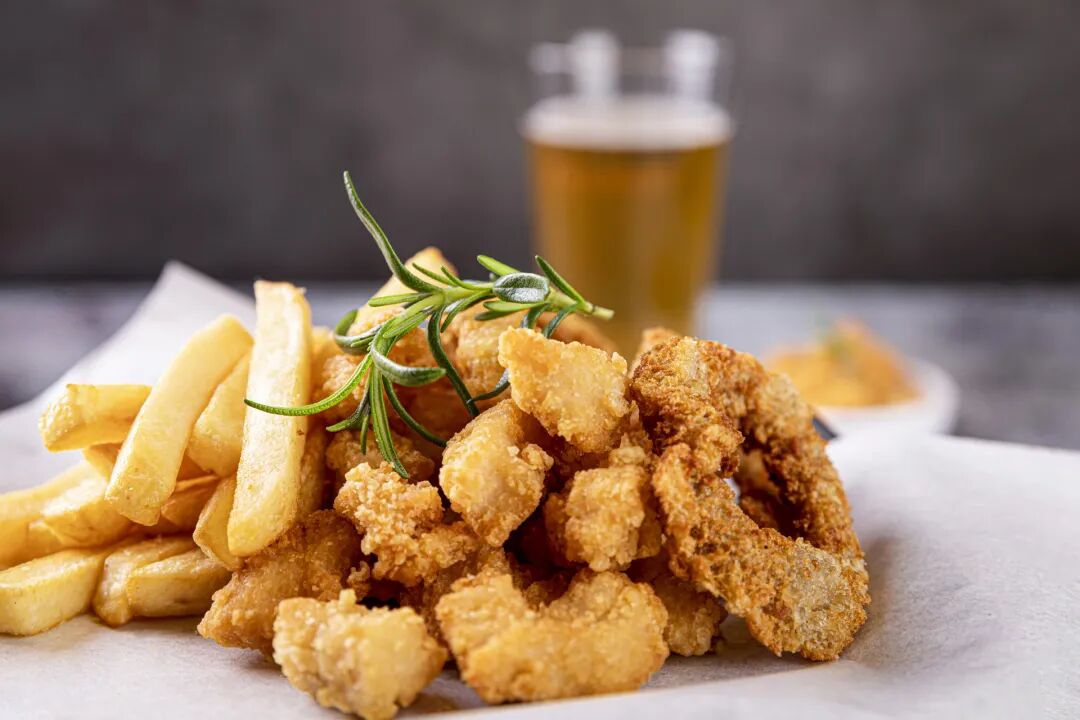
High-fat foods and fried foods
A high-fat diet can trigger abnormal stress responses in small intestinal cells, resulting in the massive release of pro-inflammatory molecules. Excessive fat intake is also closely related to oxidative stress, and harmful substances (such as acrylamide) in fried foods can directly damage cellsDNA.
Red meat and processed meat
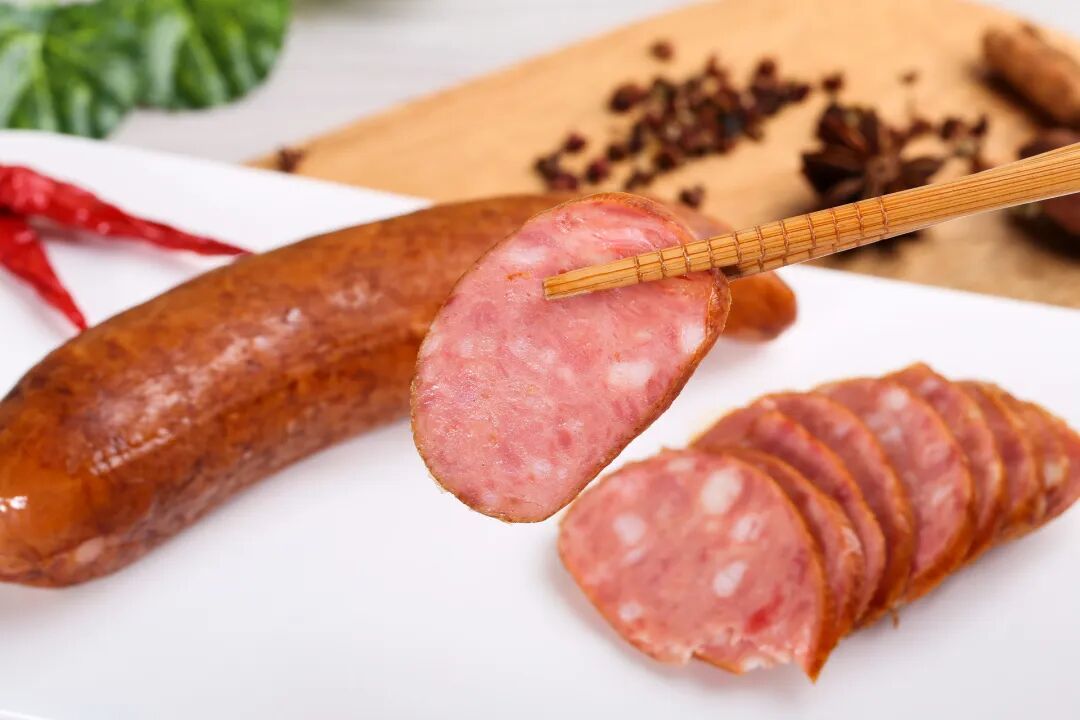
Red meat and processed meat products (such as ham and sausage) generate N-nitroso compounds during their metabolic processes, which are highly carcinogenic and can induce gene mutations by damaging the DNA double-strand structure. In addition, nitrites in processed meat combine with amines in the stomach to produce carcinogens that directly damage the intestinal mucosa. Experts recommend substituting red meat with poultry, fish, and legumes, and limiting the intake of red meat to 3-4 times per week to reduce the risk of inflammation-related carcinogenesis at its source.
Conclusion and Review< H528>
Mr. Luan's case reveals: from inflammation to cancer,The essence is the process of immunity transitioning from defense to loss of control. By treating with vNKT cells to restore immune balance and adjust pro-inflammatory dietary patterns, we can potentially break the curse of "persistent inflammation leading to cancer".
Remember: every unexplained fever and recurrent chronic inflammation is an alarm signal from the body. Intervene and treat early, don't let “minor inflammation” turn into a “major disaster”!
References:
[1] Wang Lijie, Peng Siyi, Chen Jiejun, et al. Development trajectory and nursing implications of endocrine therapy-related bone and joint pain in breast cancer patients [J]. Chinese Journal of Nursing, 2024, 59(14): 1732-1738.
If you or your family members are facing a dilemma in treatment choices, scan the QR code below to add our assistant on WeChat, and you can:
* Obtain a second opinion from Professor Zhang Minghui: Personalized treatment plan , Professional strength to help you find the most suitable survival strategy .
* Join the anti-cancer support community: Share experiences with more patients and receive support from real cases .

Scan QR code
Communicate with Professor Zhang Minghui's team
Founder of Lehe New Medical
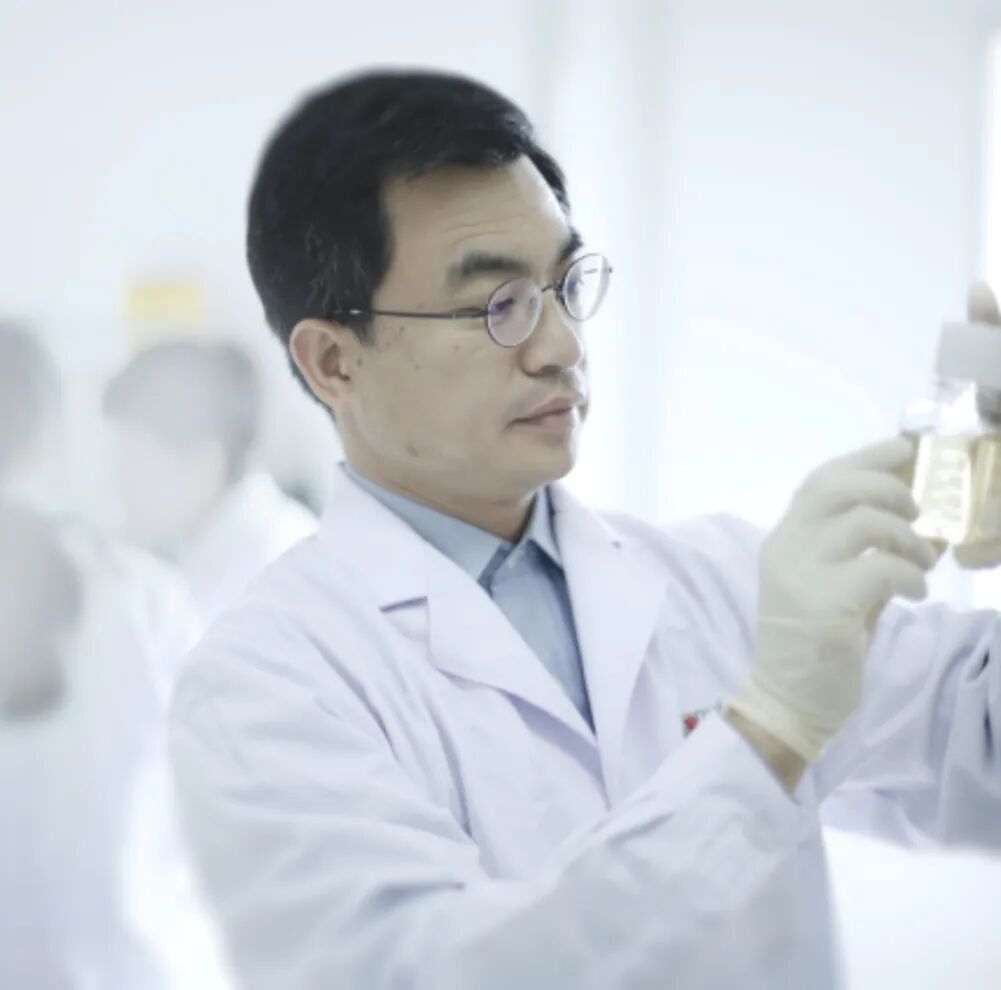
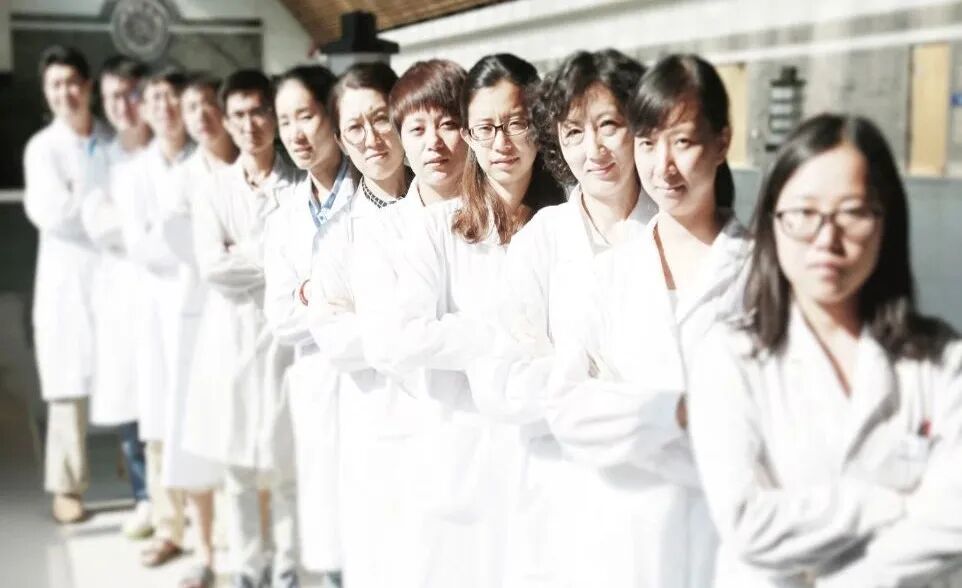
Professor Zhang Minghui, who holds a PhD in Immunology from Tsinghua University School of Medicine, has led a research team for over 20 years since the discovery of vNKT cells in 2002. They have accumulated treatment experience in over 700 cases of solid tumors, covering almost all common solid tumors. The research results fully demonstrate the great value of vNKT cells in the treatment of solid tumors.
It is suitable for patients with high pathological malignancy or a risk of recurrence after surgery; patients whose tumors have been basically controlled but not cured through conventional treatments such as chemotherapy, radiotherapy, and targeted therapy; patients with persistent high carcinogenic factors; and patients intolerant to radiotherapy and chemotherapy. If these patients do not receive effective follow-up treatment after traditional anti-tumor therapy, recurrence, metastasis, or reoccurrence of tumors will be highly probable. In this case, vNKT cell therapy is an ideal follow-up treatment method that can significantly improve patient prognosis.
Click on the image to view past highlights



Address: Room 1101 (Unit 101), 11th Floor, Building 1, No. 7 Courtyard, Kexueyuan Road, Life Science Park, Changping District, Beijing
Phone:010-8265 9866
Email:lehemedneo@hotmail.com