Contact Us Careers
Hepatobiliary and Pancreatic Cancers

How can this high-risk cancer, which is prone to delayed diagnosis and recurrence, achieve a 9-year relapse-free period?

时间:2026-04-16 人气:
           
Click on the blue word to follow us  


# Intrahepatic bile duct cancer              
Intrahepatic cholangiocarcinoma (ICC) is an invasive malignant tumor originating from epithelial cells of the secondary and terminal bile ducts of the liver. It is the second most common primary malignant tumor of the liver, accounting for 10% to 20% of all primary liver cancers. Over the past 40 years, the incidence rate of ICC has increased by nearly 140%.The current mainstream treatment mode for ICC remains surgical resection aimed at cure, but 50% to 70% of patients still experience postoperative recurrence, with a 5-year survival rate of only 25% to 40%.Drug treatment regimens for patients with unresectable ICC can only moderately prolong survival time.              


So, in today's rapidly developing science, is there a method that can provide such patients with long-term and stable treatment effects? The answer is yes. The following treatment process of Mr. Wang will bring us new hope.      


01              


Disease Overview

Overview of the illness


Mr. Wang, a patient, was found to have a liver lesion during a physical examination at the First Affiliated Hospital of China Medical University in November 2013, and did not receive formal treatment.

           
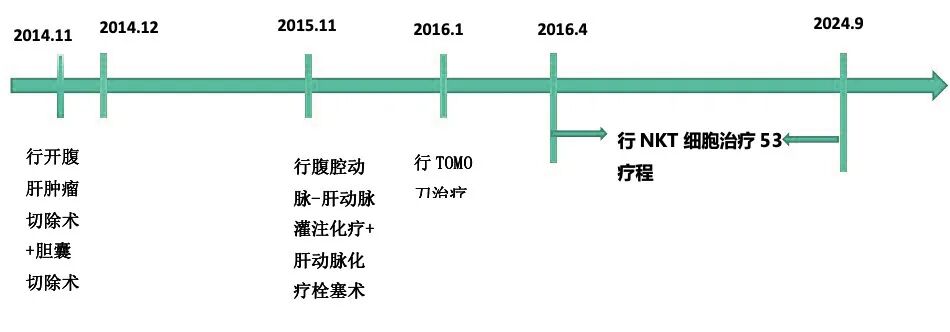
In November 2014, the patient was admitted to the 301 Hospital for an abdominal MRI examination, which revealed an abnormally enhanced mass at the junction of the left and right lobes of the liver, suggesting malignancy. On November 19th, the patient underwent open hepatectomy and cholecystectomy. Postoperative pathology revealed a poorly differentiated cholangiocellular carcinoma in the liver, measuring approximately 5.5*4.5*4.5cm, without involvement of the liver capsule, and with visible nerve fiber involvement.            

           
In November 2015, a liver MRI examination revealed a nodular shadow in the right lobe of the liver, measuring approximately 1.2*0.8cm, suggesting a possible new cancer lesion. On November 30th, a combined celiac artery-hepatic artery infusion chemotherapy and hepatic artery chemoembolization procedure was performed.            

           
In January 2016, a follow-up MRI of the liver showed that the lesion in the right lobe was similar to previous findings, suggesting that the lesion was still present. A PET-CT scan indicated slightly reduced metabolism in the top and right lobe lesions compared to previous scans, indicating that the lesion activity might still be present. Subsequently, Tomotherapy treatment was administered.            


After undergoing the aforementioned surgery and two subsequent treatments for recurrence, Mr. Wang and his family were deeply concerned that conventional treatments would not be able to completely eliminate the tumor. Therefore, they sought medical advice from various sources, hoping to find a treatment method that could control the tumor in the long term. Later, upon a friend's recommendation, Mr. Wang and his family learned about Professor Zhang Minghui's vNKT cell therapy technology at Tsinghua University School of Medicine and contacted us.      


After reviewing Mr. Wang's medical records, Professor Zhang Minghui made the following second diagnosis and treatment suggestion for Lehe New Medical:

1. The patient's tumor was relatively large at the time of initial treatment, and the pathology indicated low differentiation with a high degree of malignancy. The lack of effective adjuvant therapy after surgery was the main reason for recurrence in the short term. After recurrence, the patient underwent celiac artery-hepatic artery infusion chemotherapy combined with hepatic artery chemoembolization. Examination indicated that the tumor remained active, and subsequent TOMO treatment was administered. If this situation still fails to completely control tumor progression, aggressive follow-up treatment should be actively pursued to achieve long-term control of tumor progression and improve the patient's prognosis.      

     
2. Current conventional treatments typically involve pharmacological therapy, such as targeted therapy, chemotherapy (transcatheter arterial chemoembolization, TACE), and immunomodulatory agent therapy. These treatments often exert effective killing and inhibitory effects on tumor cells in the short term, but drug resistance cannot be avoided, thus failing to achieve long-term efficacy. Moreover, they have significant side effects, which can damage the immune system, hematopoietic system, and organ functions. Therefore, none of these treatments are ideal adjuvant therapies after surgery.      

     
3. vNKT therapy can utilize powerful immune cells to eliminate residual or newly emerging tumor cells, and can reconstruct the immune microenvironment, with essentially no side effects. After completing surgical treatment, the tumor burden is reduced, making it the optimal intervention timing for treatment. vNKT therapy can effectively reduce the risk of recurrent and newly emerging tumors, making it highly suitable as the primary treatment method for Mr. Wang's subsequent treatment.      


vNKT cell immunotherapy            


NKT cells (Natural killer T cells), are a special T cell subset with both T cell receptor (TCR) and NK cell receptor on their surface. They possess important characteristics of both NK cells and T cells, with the dual ability to recognize tumor cells nonspecifically and specifically, and can rapidly kill tumor cells. Among the NKT cell subsets, there is a larger and more potent special type of NKT cell, discovered by the experimental team led by Professor Zhang Minghui from Tsinghua University, known as vNKT (Variant Natural Killer T) cells.

           
The population of vNKT cells in the body is very small and they are not easily activated. However, once activated, they can single-handedly eliminate tumor cells that may remain undetected in the body. Additionally, research has found that vNKT cells exhibit a dual anti-tumor effect. Not only can they directly kill cancer cells, but they can also regulate the immune microenvironment within tumor tissues, kill inhibitory immune cells (MDSCs), break down tumor immune evasion, rebuild the normal immune system, and further prevent recurrence and metastasis.            


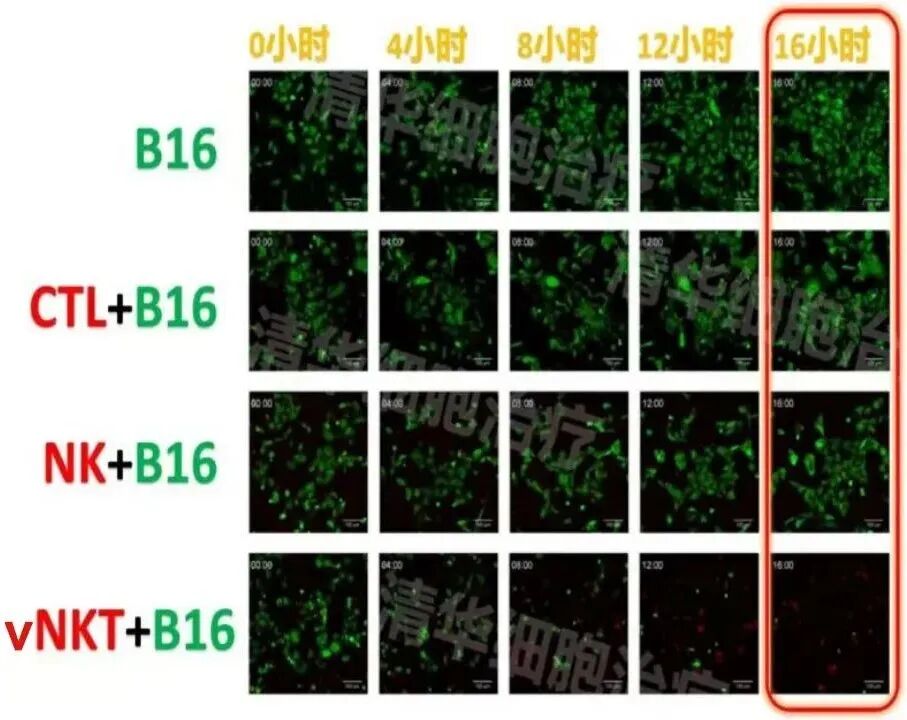
Experimental conditions: In the presence of vNKT cells, after 16 hours, nearly all B16 tumor cells were killed!


Professor Zhang provided Mr. Wang and his family with a detailed introduction to vNKT treatment technology and the treatment outcomes of previous cases, and answered Mr. Wang's questions in detail. After thorough communication, he ultimately obtained the unanimous approval of Mr. Wang and his family. Since April 2016, NKT cell immunotherapy has been adopted, with the initial treatment plan being 2 courses per month. In June 2016, it was changed to 1 course per month without interruption; in November 2017, it was changed to 1 course every 2 months, and in March 2020, it was changed to 1 course every 3 months. By September 2024, 53 courses had been completed, and Mr. Wang was able to lead a normal life, work, and maintain a good quality of life.      


02                


Treatment Experience 

Time Axis                


03                


Changes in tumor markers 

Tumor markers


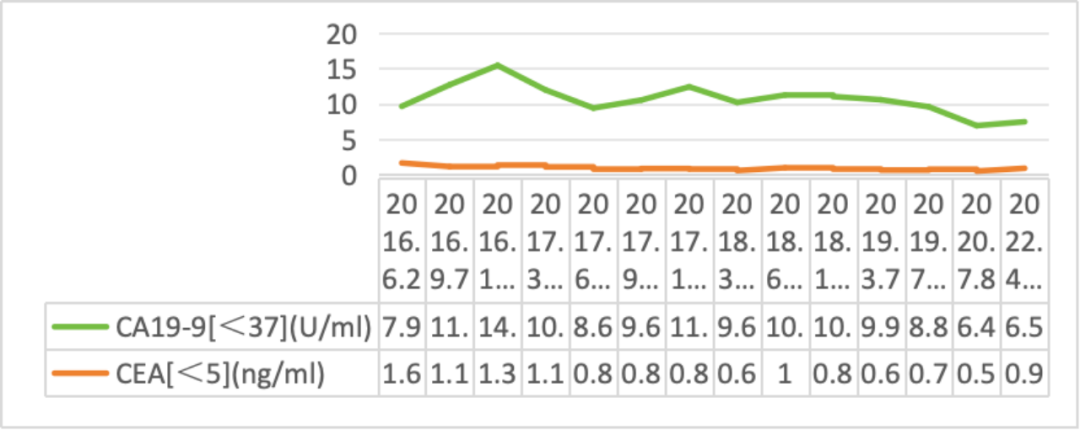
During the patient's treatment, multiple tumor marker reexaminations showed no abnormal elevation


03              


Imaging changes 

Imaging  changes


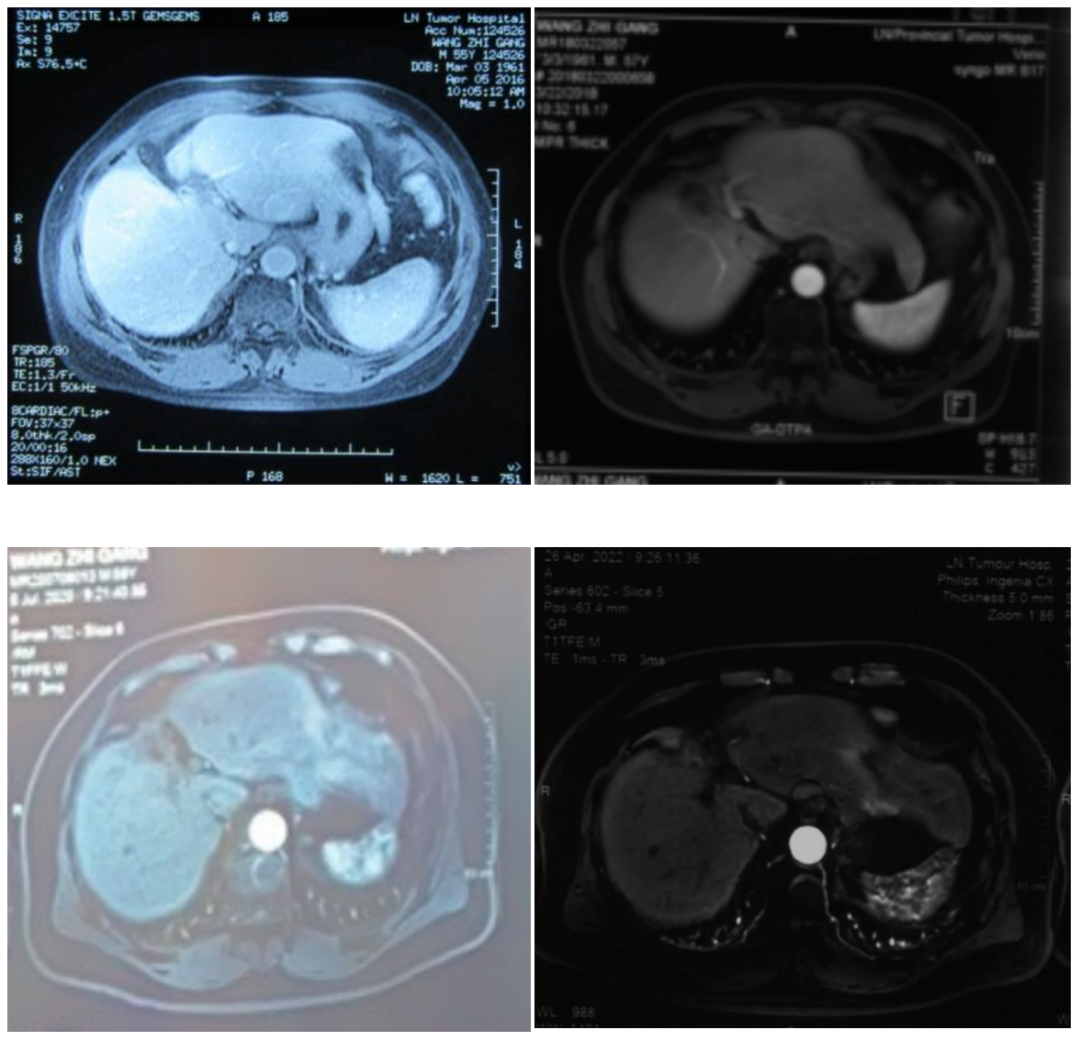
Abdominal imaging findings: Uneven slightly long T1 and slightly long T2 signal shadows are visible at the junction of the left and right lobes of the liver, with slight uneven enhancement on contrast-enhanced scans. No significant changes were observed during multiple follow-up examinations from April 2016 to April 2022. Postoperative changes are considered possible, and regular follow-up is recommended.        


Expert Commentary Cases


04            


Conclusion and Comments

Conclusion  and Commentary


Postoperative recurrence is the most feared issue for all patients with malignant tumors who undergo surgical treatment, and it is also the greatest obstacle to achieving tumor cure. All tumor surgeries carry a certain degree of recurrence risk. According to current standard treatment methods, for postoperative recurrence, reoperation or local minimally invasive treatment is usually employed, combined with systemic drug therapy such as chemotherapy, targeted therapy, and immunotherapy. These treatment methods can effectively kill and inhibit tumor cells in the short term, but drug resistance cannot be avoided, thus failing to achieve long-term cure and stability. Additionally, they have significant side effects, which can damage the immune system, hematopoietic system, and organ functions. Therefore, none of these methods are ideal postoperative adjuvant treatments.      

     
vNKT therapy can utilize powerful immune cells to eliminate residual or newly emerging tumor cells, and can reconstruct the immune microenvironment with essentially no side effects. After completing surgical treatment, the tumor burden is reduced, making it the optimal intervention timing for vNKT cell therapy. Mr. Wang actively sought effective follow-up treatment options after conventional therapy. After scientific analysis and comparison, he ultimately chose to undergo vNKT cell therapy. Since then, his condition has remained stable, achieving the desired therapeutic effect. Looking back on the entire treatment process, if Mr. Wang had immediately received vNKT cell therapy after his initial surgical treatment, it would have been highly likely to prevent subsequent recurrences. This shows that combining surgery with vNKT cell therapy is a novel tumor treatment approach that can effectively reduce the risk of recurrent and newly emerging tumors, providing patients with the possibility of achieving long-term tumor stability or even cure.      


Zhang Minghui  Founder of Lehe New Medicine, PhD in Immunology from Tsinghua University School of Medicine
Since the discovery of vNKT cells in 2002, Professor Zhang Minghui's research team has been engaged in research for over 20 years, accumulating treatment experience in over 700 cases of solid tumors, covering almost all common solid tumors. The research results fully demonstrate the great value of vNKT in the treatment of solid tumors.


It is suitable for postoperative patients with high malignant potential or at risk of recurrence; patients whose tumors have been largely controlled but not cured through conventional treatments such as chemotherapy, radiotherapy, and targeted therapy; and patients who continue to have high carcinogenic factors. If these patients do not undergo effective follow-up treatment after traditional anti-tumor therapy, the probability of recurrence, metastasis, or re-emergence of tumors will be high. In this case, vNKT cell therapy is an ideal follow-up treatment method that can significantly improve the prognosis of patients.            


Contributor: Liu Peng        
Reviewed by: Qiao Jiacheng, Wang Ying, Gao Chen
Edited/typeset by Zhang Jiao


Welfare            
Benefits for Liver Cancer Patients            


Benefit 1              
Clinical study recruitment for patients with advanced liver cancer             
Primary liver cancer is currently the fourth most common malignant tumor and the second leading cause of cancer-related deaths in China, posing a serious threat to the lives and health of our people. Due to the insidious onset of liver cancer, less than 30% of patients are suitable for radical treatment at the time of initial diagnosis. Systemic anti-tumor therapy plays a crucial role in the treatment of advanced liver cancer. Immunotherapy, represented by targeted and immune checkpoint inhibitors, plays a significant role in the treatment of advanced liver cancer. However, when patients progress after receiving second-line treatment, there is a lack of corresponding guidelines or consensus for medication or treatment guidance, leading to difficulties for clinicians and patients in choosing appropriate medications.

    
Immunotherapy for malignant tumors, besides immune checkpoint inhibitors, also includes active immunotherapy that activates the body's own immune function. Among them, NKT cells are particularly attractive due to their characteristics of both NK cells and T cells. Activated vNKT cells (variant NKT) can not only directly kill tumor cells but also kill myeloid-derived suppressor cells in the tumor microenvironment (TME), thus potentially offering better tumor treatment effects.        

    
Immunotherapy targeting hepatocellular carcinoma with vNKT immune cells brings new hope to patients with advanced liver cancer who have progressed after second-line treatment. To this end, Professor Zhang Minghui's Lehe New Medical Research Team at Tsinghua University and Shanghai East Hepatobiliary Surgery Hospital have jointly launched a clinical research recruitment program for patients with advanced hepatocellular carcinoma, so that more patients who meet the clinical research criteria can benefit!        

       
How to participate?        

       
If you are a patient with liver cancer or a family member, you can contact our assistant to provide your patient's medical records. After a one-on-one assessment of the condition by a professional medical team, you can apply to participate in clinical research. For details, scan the QR code to consult


Lian
is a
Me      
         

Scan QR code

Communicate with Professor Zhang Minghui's team


Benefit 2              
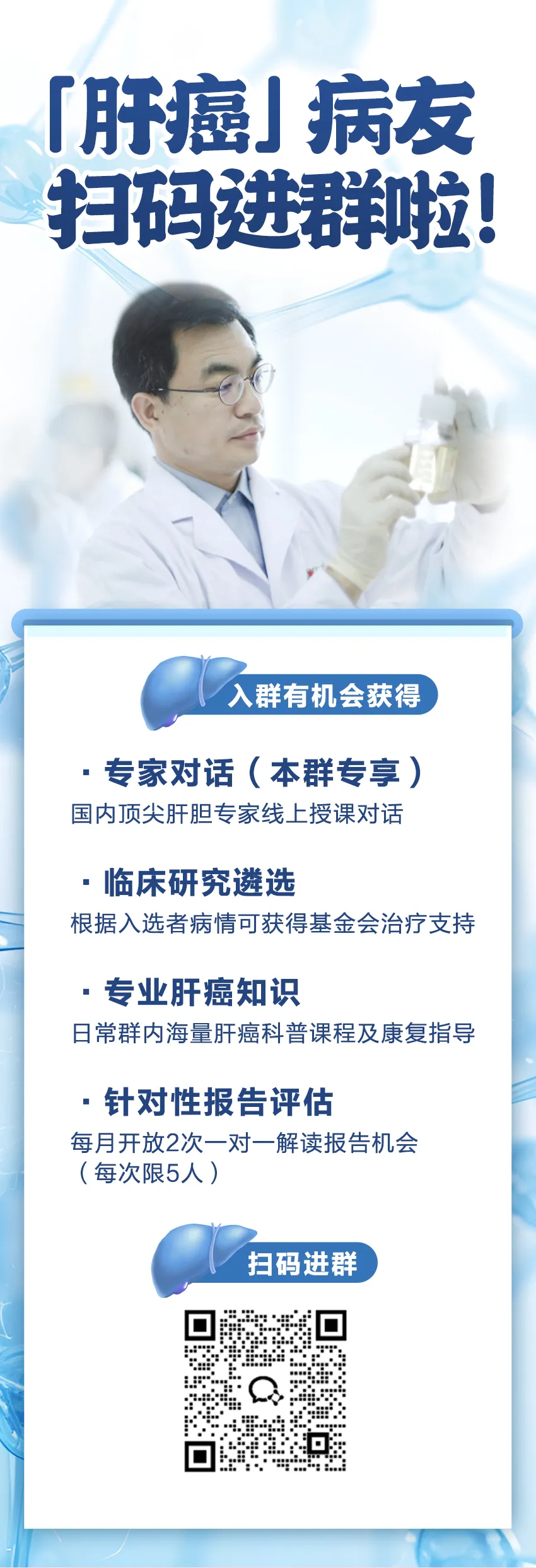
Liver Cancer Patient Exchange Group             
Professor Zhang Minghui of Tsinghua University has always harbored the great aspiration of "a world without disease" and is committed to providing a patient-centered platform for patients to exchange and help each other. Whether you have just been diagnosed, are troubled by side effects, don't know how to choose a treatment plan, want to share experiences and insights, or just pour out your heart, you are welcome here!

       
In our group, you can receive lectures from professional experts and engage in discussions with enthusiastic group members. Plus, you have the opportunity to apply for clinical research enrollment. Join our group and embrace a joyful and healthy life!        

       
Want to know more about comprehensive treatmentsuggestionsfor liver cancer
Welcome to the Lehe New Medical Liver Cancer Exchange Group


Click on the image to view past exciting content


Reposting is a driving force, sharing is a virtue