About Lehe
乐于心,和与众,与己乐,与人和; 心宽念纯,百病无生。


乐于心,和与众,与己乐,与人和; 心宽念纯,百病无生。




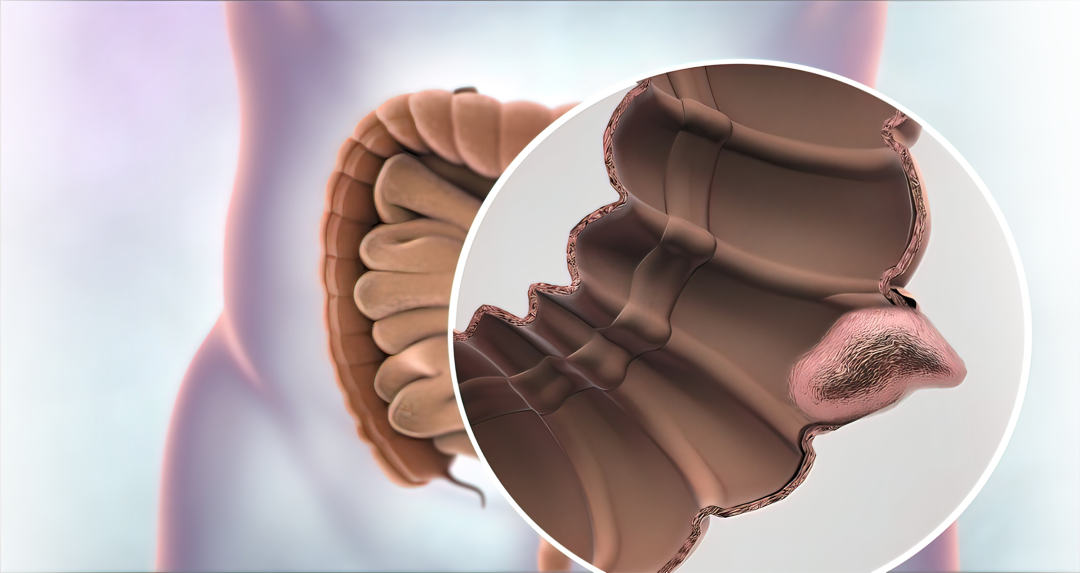
Rectal cancer is a common gastrointestinal tumor in gastrointestinal surgery. In recent years, with the improvement of people's living standards, dietary structure and eating habits have also changed, leading to an upward trend in the incidence rate of rectal cancer. Due to the atypical early symptoms of rectal cancer, it is easily misdiagnosed as hemorrhoids, chronic colitis, etc., so many patients do not pay attention to it, resulting in many patients being diagnosed at an advanced stage when they seek medical attention. This seriously affects the treatment and prognosis of the disease.
What are the early symptoms of rectal cancer?
Bloody stool
Bloody stool is the most common symptom in patients with rectal cancer, but it is often self-diagnosed as hemorrhoids by patients, leading to misdiagnosis or neglect, thus delaying treatment time and aggravating the condition. Rectal cancer bloody stool is persistent and does not improve with time. The blood is mostly red or dark red, mixed with fecal mucus or purulent bloody stool, sometimes accompanied by blood clots; while hemorrhoidal bloody stool is periodic, and symptoms improve with time. The blood is bright red, often appearing in the form of spraying or flowing out, without other mucus in the blood.
Changes in bowel habits
Tumor secretions can irritate the intestines, leading to symptoms such as frequent bowel movements and tenesmus, and some patients may also experience long-term diarrhea.
Phenomenon of intestinal stenosis and obstruction
Rectal cancer can also cause the phenomenon of intestinal stenosis and obstruction, with symptoms such as stool becoming thin and irregular, difficulty in defecation, constipation, and abdominal pain due to gas. Due to the accumulation of feces, a strip-shaped mass can sometimes be felt in the left lower abdomen.
Source: People's Daily Online - People's Health Network
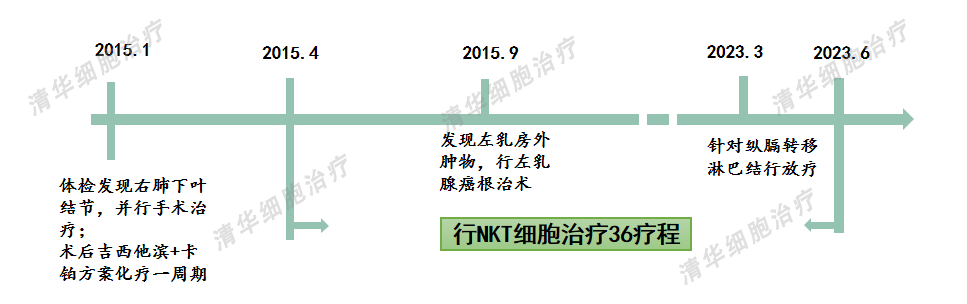
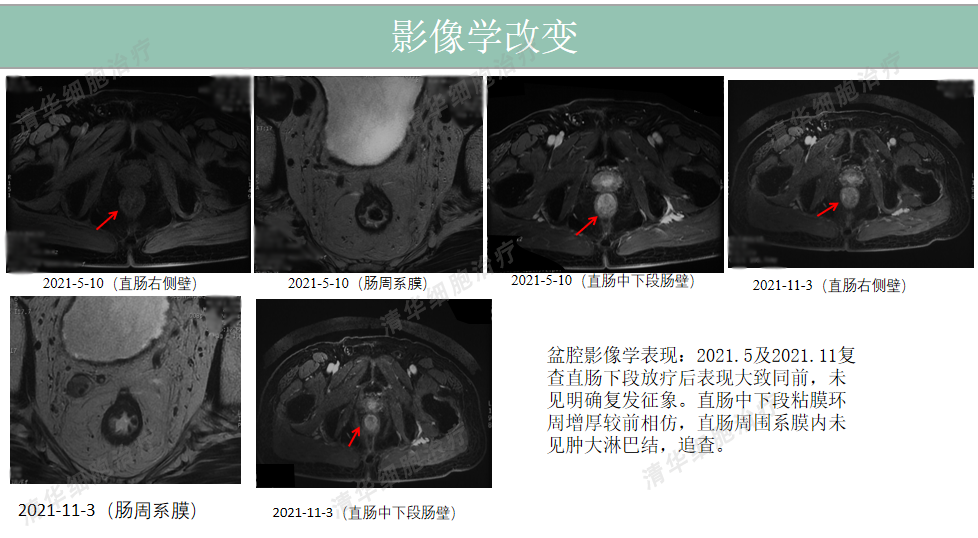
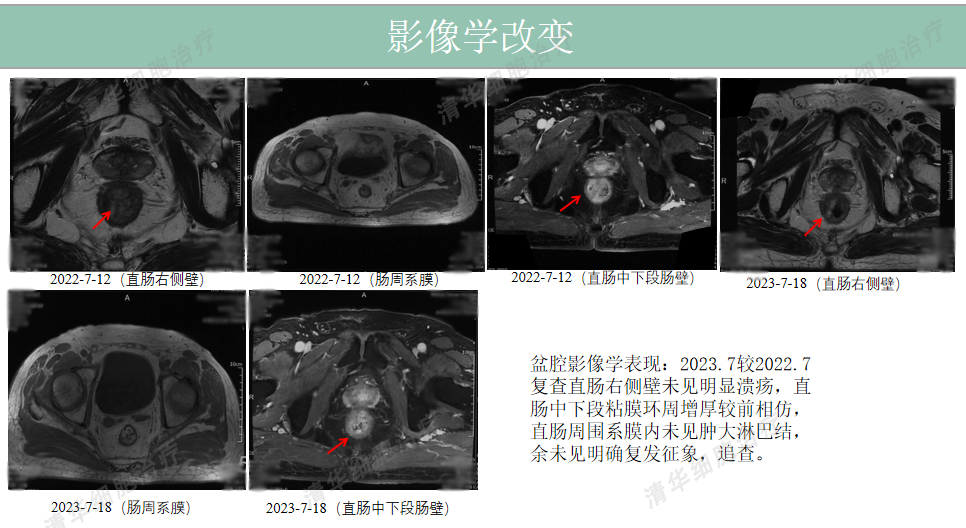
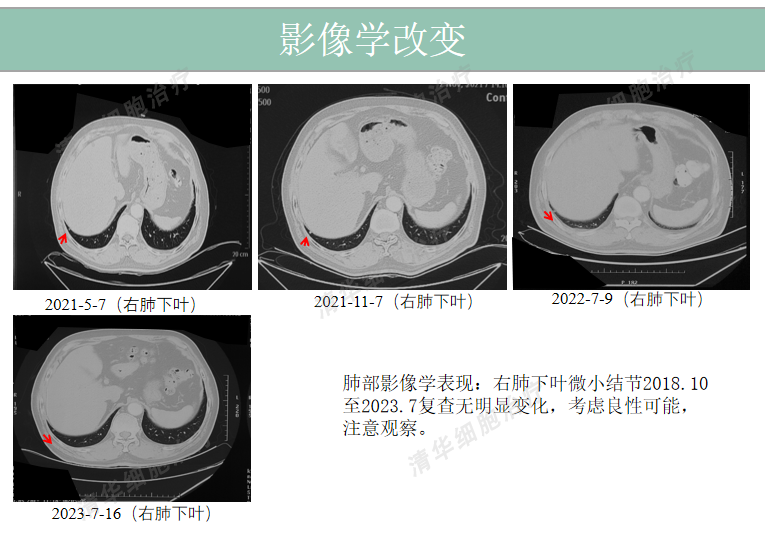
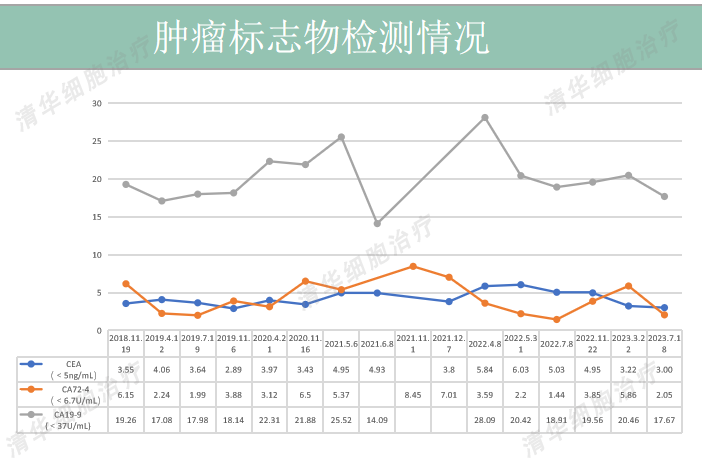
2. Due to various reasons, the patient did not undergo radical surgery, and radiotherapy and chemotherapy are difficult to completely remove the lesion like surgery. In this case, the risk of recurrence and metastasis in the future is higher.
3. To prolong the patient's life span without compromising their quality of life, vNKT cell therapy is a good choice. vNKT cell therapy utilizes powerful immune cells to kill tumor cells in the body, with essentially no side effects, making it very friendly for elderly patients like Mr. Ma.



References:
Click on the image
Address: Room 1101 (Unit 101), 11th Floor, Building 1, No. 7 Courtyard, Kexueyuan Road, Life Science Park, Changping District, Beijing
Phone:010-8265 9866
Email:lehemedneo@hotmail.com