About Lehe
乐于心,和与众,与己乐,与人和; 心宽念纯,百病无生。


乐于心,和与众,与己乐,与人和; 心宽念纯,百病无生。


The National Cancer Center released the 2022 data on the disease burden of malignant tumors in China on JNCC. The data shows that in 2022, the incidence of colorectal cancer in China reached 517,100, second only to lung cancer, making it the second most prevalent cancer in China. The death toll was 240,000. In February 2020, Ms. Zhang went to the hospital for an examination due to increased bowel movements and blood in her stool, and was diagnosed with rectal cancer. Ms. Zhang immediately underwent surgery. Postoperative pathological results showed rectal adenocarcinoma, grade II, ulcerative type, with vascular invasion. Among rectal cancer patients, 80% mistakenly believe that blood in stool is hemorrhoids. In the early stages of cancer, our body emits some warning signals. If we can detect and take measures in time, we can minimize the damage. Observing stool is very important, and these warning signals cannot be ignored. Blood in stool: The most common symptom in rectal cancer patients. Blood from rectal cancer is mostly red or dark red, mixed with fecal mucus or bloody stool; while blood in stool from hemorrhoids is bright red, often appearing in the form of spraying or flowing out, and does not mix with feces; Changes in bowel habits: Tumor secretions can irritate the intestines, leading to symptoms such as frequent bowel movements and tenesmus;
Thinning of stool: If the cancer grows into the intestinal lumen, it can cause narrowing of the lumen, resulting in stool that is often thinner when passed out.
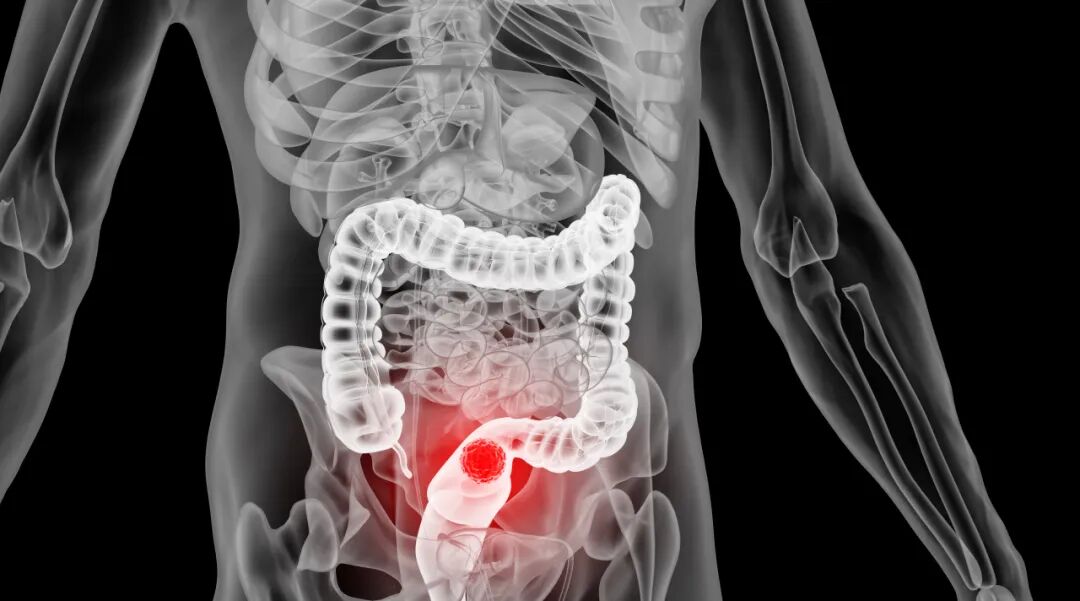
Ms. Zhang underwent 12 cycles of chemotherapy after her surgery, but during the follow-up examination in July 2021, it was found that the tumor markers CEA and CA19-9 were elevated. MRI examination revealed a mass in the left lobe IV segment of the liver, with unclear boundaries and enhanced edges, suggesting possible metastasis. She underwent surgery again and was treated with temozolomide chemotherapy after the operation.
From diagnosis to recurrence, Ms. Zhang's mood experienced ups and downs. At the beginning of diagnosis, she fell into a deep depression, and her lack of understanding of the condition and fear of the unknown plunged her into despair and anxiety. During the treatment process, although medication and physical therapy provided some relief, Ms. Zhang still couldn't completely shake off the psychological pressure. Every time she experienced pain and physical discomfort, she felt anxious and fearful, worrying that the condition would become more severe. After recurrence, Ms. Zhang's mood suffered another blow, and the previous psychological pressure and anxiety erupted like a volcano after the recurrence.
Seizing the opportunity to improve survival rate
While feeling anxious and worried, Ms. Zhang learned through the official account that Professor Zhang Minghui's team's tumor postoperative rehabilitation recommendations could provide personalized postoperative rehabilitation plans for patients who had undergone surgery, chemotherapy, and radiation therapy. These plans take into account the patient's psychological, expectations, and economic situations, and are comprehensively considered, planned, and reasonably implemented at the appropriate time points to achieve the greatest therapeutic effect. This can not only contain or eliminate the tumor, prolong survival, but also improve quality of life.
Ms. Zhang seized the opportunity to contact Professor Zhang Minghui, and after a comprehensive evaluation, the team provided a rehabilitation plan: Following colon cancer surgery, pathology indicated a risk factor of vascular invasion in the tumor. One and a half years later, liver metastasis was discovered, and the patient underwent further surgery. vNKT cell therapy was administered to eliminate residual cancer cells after surgery and reduce the risk of tumor recurrence. Additionally, a positive psychological rehabilitation plan was tailored to address Ms. Zhang's psychological state, effectively resolving her difficulties.
Many cancer patients experience similar psychological states after diagnosis, which can significantly impact their recovery process and quality of life. To address this situation, everyone can adopt a positive mindset to alleviate the psychological stress caused by the disease and promote recovery and prognosis.
These methods teach you how to practice mindfulness-based stress reduction
(1) Body scanning, where the patient observes bodily sensations, either lying down or sitting upright, adjusts breathing, and guides the patient to feel and experience each part of the body, from the toes to the top of the head, in sequence;
(2) Mindful breathing, where the patient, either sitting or lying down, focuses on the actions of inhaling and exhaling, experiencing the process and changes of breathing;
(3) Mindful walking, where the patient observes walking sensations, paying attention to the sensations on the soles of the feet during walking, or the sensations when lifting, pausing, and putting down the feet during walking;
(4) Meditation, where during the practice, the patient can send blessings to different objects, such as peace, joy, health, and freedom from pain, and the objects of blessing can include everyone, including oneself;
(5)Mindfulness listening to sound,Using sound as the object of perception, listening to sound, perceiving its natural attributes, feeling the occurrence, changes, and disappearance of sound, without judging whether the sound is pleasant, without analyzing its source, only accepting its current existence;;
(6)Mindfulness life,By choosing appropriate practice methods and integrating mindfulness into daily life and work, patients can become aware of the present, accept the present, enjoy the present, and feel the benefits of mindfulness through continuous practice in daily activities such as waking up in the morning, brushing teeth, cooking, eating, and doing laundry.[2].
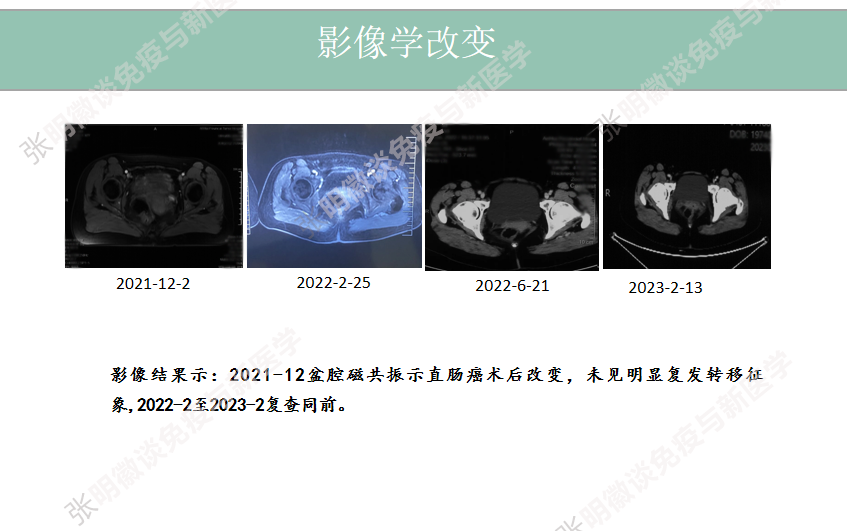
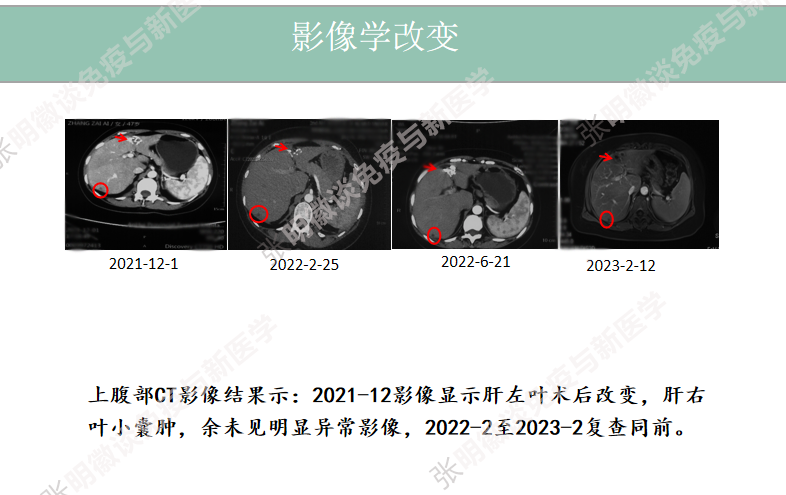
After 20 courses of systematic treatment, Ms. Zhang has successfully passed the 3-year recurrence risk period.Follow up and imaging examinations have not shown clear signs of tumor recurrence. Through active specialized training, her psychological stress was reduced and her sleep quality was improved.

Contact Us
Scan QR Code
Communicate with Professor Zhang Minghui's Team
Reference Source:
[1] Wang Shaoming, Zheng Rongshou, Han Bingfeng, et al. Analysis of the Age Characteristics of Incidence and Death from Malignant Tumors in the Chinese Population in 2022 [J]. China Cancer, 2024, 33(03):165-174.
[2] Liu Mengke, Suo Lina, Zhang Zhifei, et al. Research on the Application Status of Mindfulness-Based Stress Reduction Therapy in Cancer Patients [J]. Heilongjiang Medical Journal, 2023, 47(20):2555-2557+2561.
Edited/Typeset by: Zhao Runquan
Medical Reviewed by: Wang Ying
Address: Room 1101 (Unit 101), 11th Floor, Building 1, No. 7 Courtyard, Kexueyuan Road, Life Science Park, Changping District, Beijing
Phone:010-8265 9866
Email:lehemedneo@hotmail.com