About Lehe
乐于心,和与众,与己乐,与人和; 心宽念纯,百病无生。
乐于心,和与众,与己乐,与人和; 心宽念纯,百病无生。

Life exists only within the span of a breath,
Impermanence is the natural state of the world,
If we can face it with a joyful heart,
our days can move forward with warmth.
Image | Huo Tao
Life broadens through altruism
In the chill of early winter, 81 loving friends from 14 provinces welcomed the third phase of the course jointly promoted by Suzhou Tzu Chi Outpatient Department and Lehe New Medical Center - "Anshen" (Calm the Mind).
What is "Anshen"? "Shen" encompasses spirit, consciousness, and soul, representing the light of life that transcends the physical body. If we consider rehabilitation as a complete journey, then "Anshen" serves as the foundation, allowing the body to receive care and recovery; "Anxin" (Calm the Heart) is the transition, bringing emotional peace and a sense of belonging; "Anshen" is to awaken inner awareness and strength on the basis of physical and mental stability, thereby initiating a life exploration from the outside to the inside, from the tangible to the intangible.
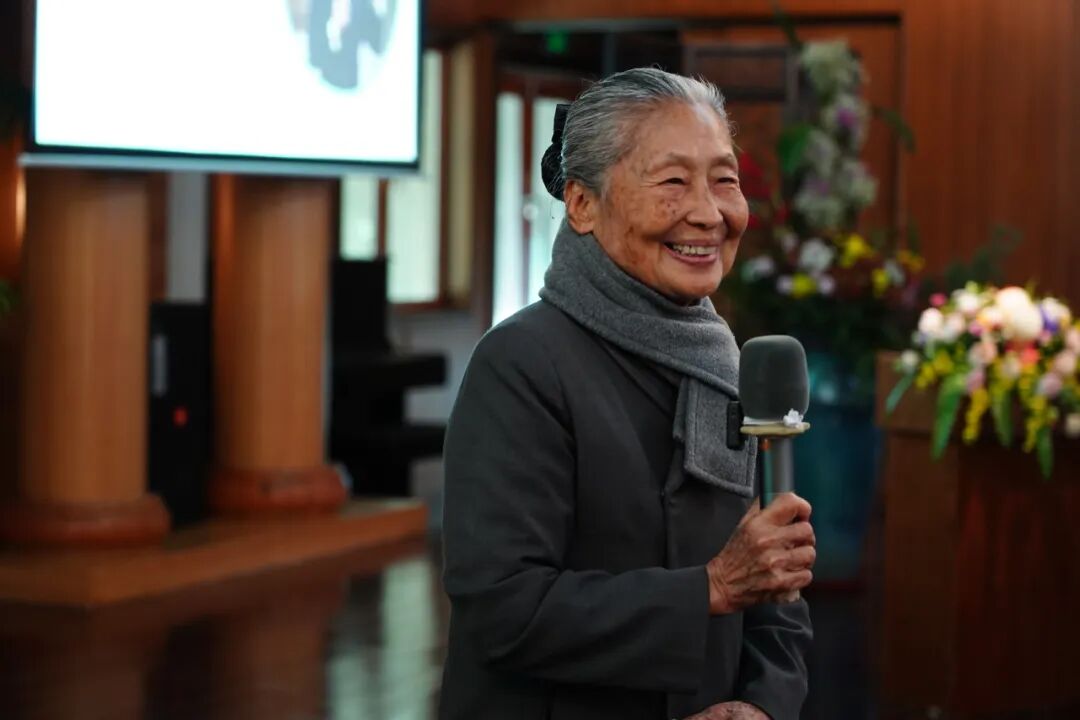

Image | Huo Tao
Ms. Lin Biyu, a consultant for the Tzu Chi Foundation who had just arrived in Suzhou from Nepal via Shanghai, stood in front of her friends, dusty but with a warm smile. "Life is in the breath, impermanence is the norm. If we can face it with joy, we can get through the days."
Ms. Lin, who often travels to countries and regions in need for her charitable work, is now nearly eighty years old. Nowadays, she often encounters "special treatment": some people will immediately stand up and offer her a seat when they meet, reminding her of her age. "They don't have to say it, I forget my own age," Ms. Lin laughed. "So I also send this 'age-forgetting' sentiment to everyone - don't always worry about what diseases you have. Leave the diseases to the doctors; what you should think about is how to use this body to give more."
After a journey of five thousand kilometers, she turned it into a light exhortation: "Love is the medicine of the world. A smile is love, a handshake is love, and the passing of a little strength is also love." She smiled at everyone, "May you plant the seed of altruism in your heart. Because altruism is ultimately self-interest."
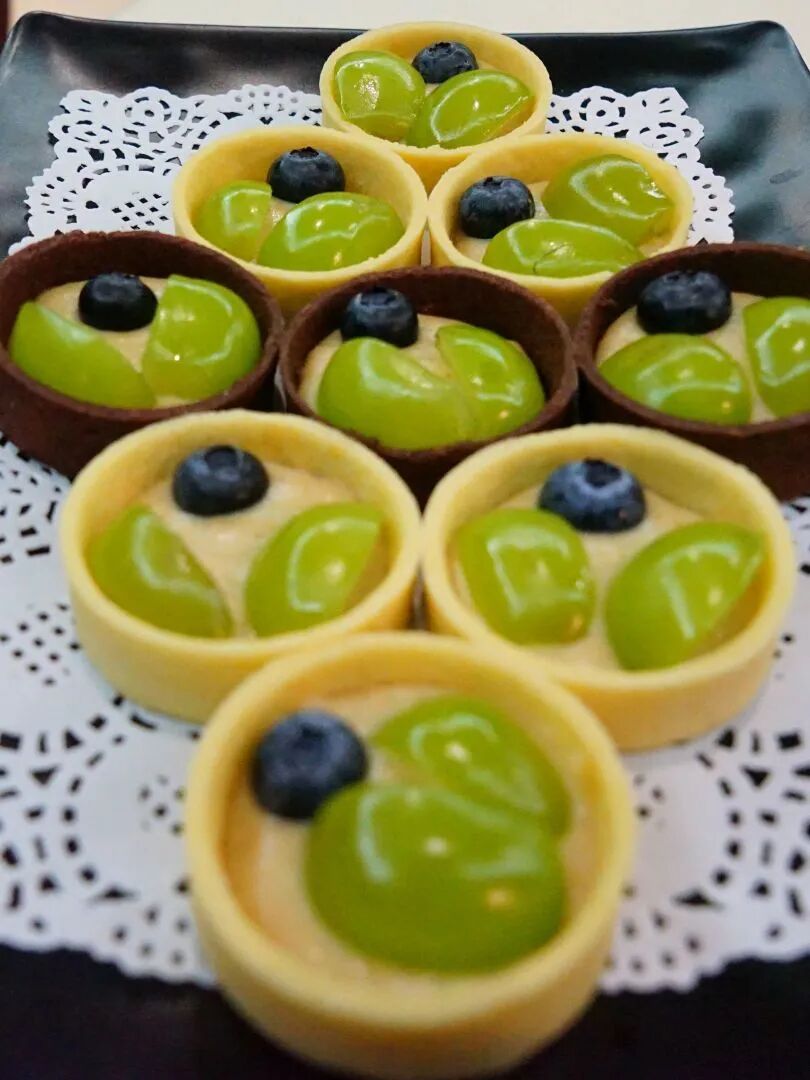
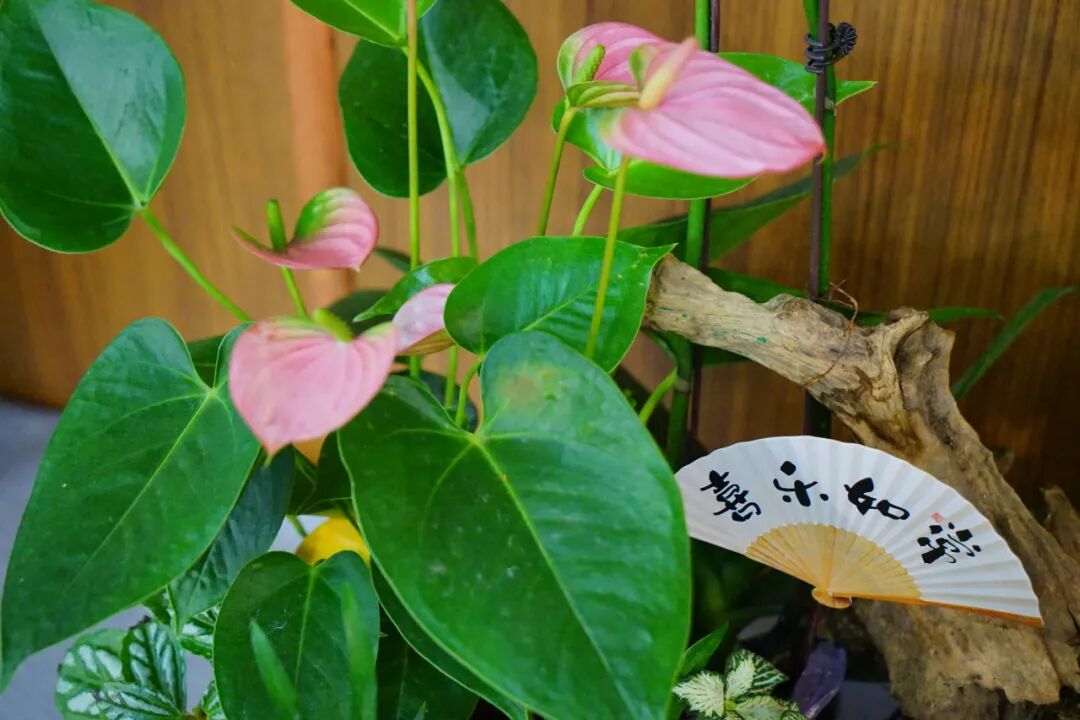
Joy as usual
Image | Huo Tao
Every flower represents a world, every leaf tells a story. Exquisite dim sum is not just a delicacy, but also a narrative of life - every bite carries a heartfelt sentiment. Grateful to the Tzu Chi family for their silent companionship, which has transformed ordinary years into the deepest blessings.
The initiative in life lies with oneself
In the "Cognitive Life" advanced course designed by Professor Zhang Minghui of Tsinghua University for Aiyou, the exploration of the spiritual level is like a dialogue that transcends time and space. Starting from the normal state of life, "birth, aging, sickness, and death," he poses three philosophical questions: "Who are you? Where do you come from? Where are you going?"
The course intertwines science and spirituality: images of cancer cells under a microscope are juxtaposed with the spectrum of radio waves, suggesting that life is a flow of "energy + information"; while the proportion of dark matter and dark energy in the universe metaphorically indicates that human understanding of the essence of life is still like a blind man feeling an elephant.
Finally, drawing from "The Four Teachings for Understanding Life," Professor Zhang emphasizes that "life is made by oneself, and happiness is sought by oneself," highlighting that the initiative in life always lies in each individual.
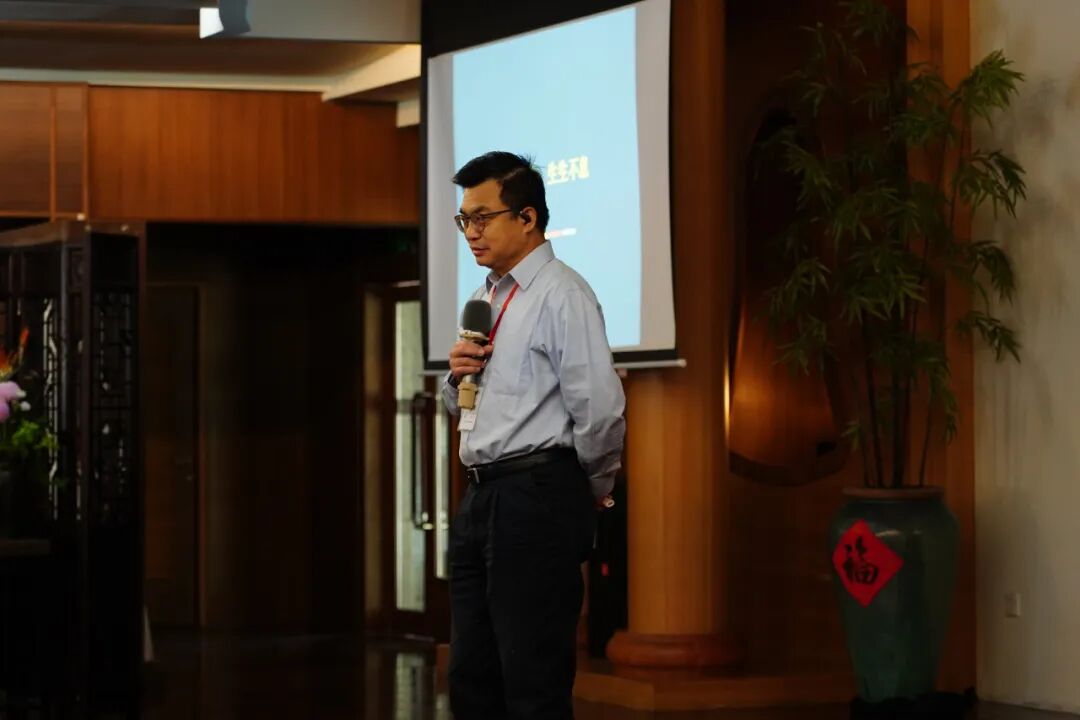
Image | Qiao Jiacheng
Professor Cai Lianghua of Beijing University of Posts and Telecommunications shared his experience, which began with a nine-day near-death experience. "When you lie in the hospital, you are nothing." At that moment, all social identities faded away, and he let go of everything, embarking on a journey to explore the truth of life.
This former expert in communication and artificial intelligence resigned from his position, traveled the world, and ultimately found a convergence point between science and ancient Eastern wisdom. He discovered that the code structure of human genes highly matches the sixty-four hexagrams of the Book of Changes, thus confirming that "unity of heaven and man" is the inherent reality of life.
He reinterpreted "health" as follows: "Jian" refers to physical robustness, while "Kang" refers to harmony in sync with nature. The reason why modern people are prone to illness and anxiety is precisely because they have violated the "order of heaven" - the natural rhythm of life. He shared the practice of solar term fasting and breathing techniques, explaining traditional wisdom with scientific principles such as "autophagy", pointing out that "the longer the exhalation, the higher the IQ; the deeper the inhalation, the better the body".
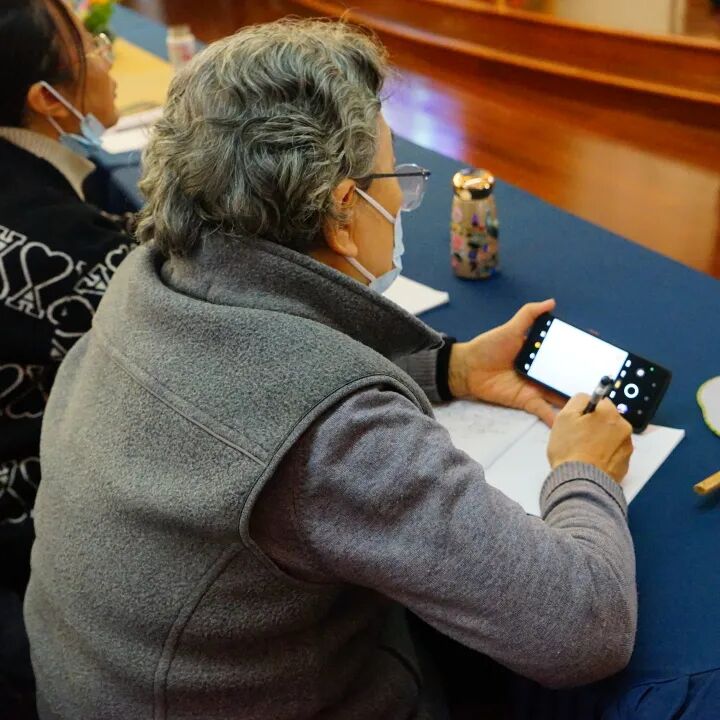
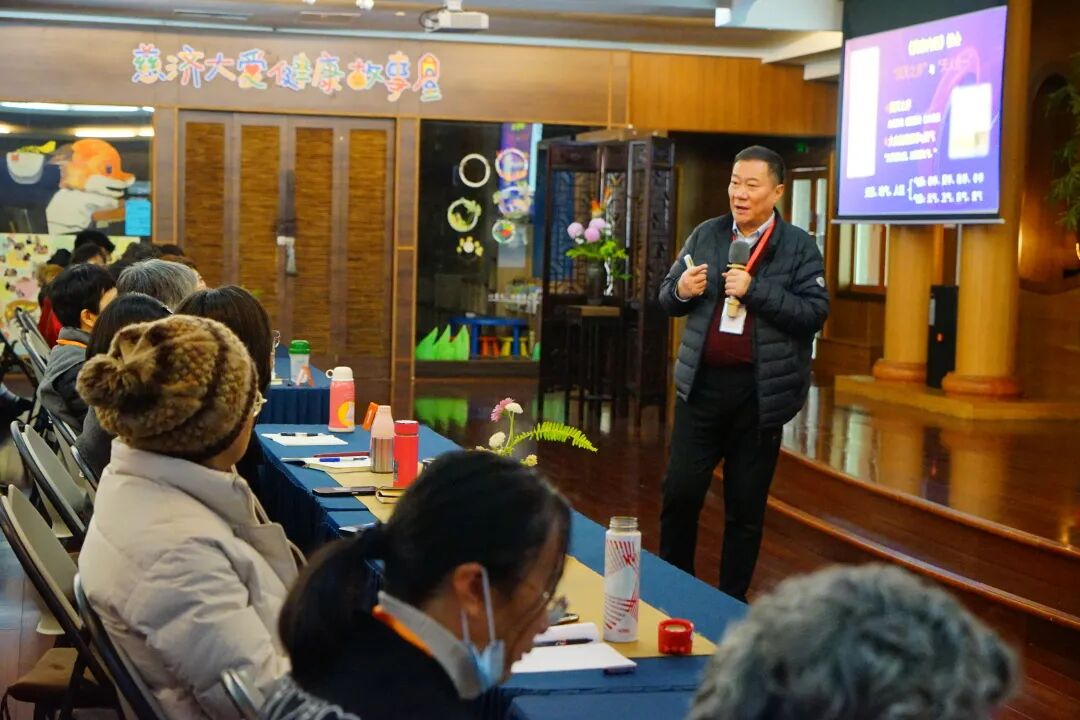
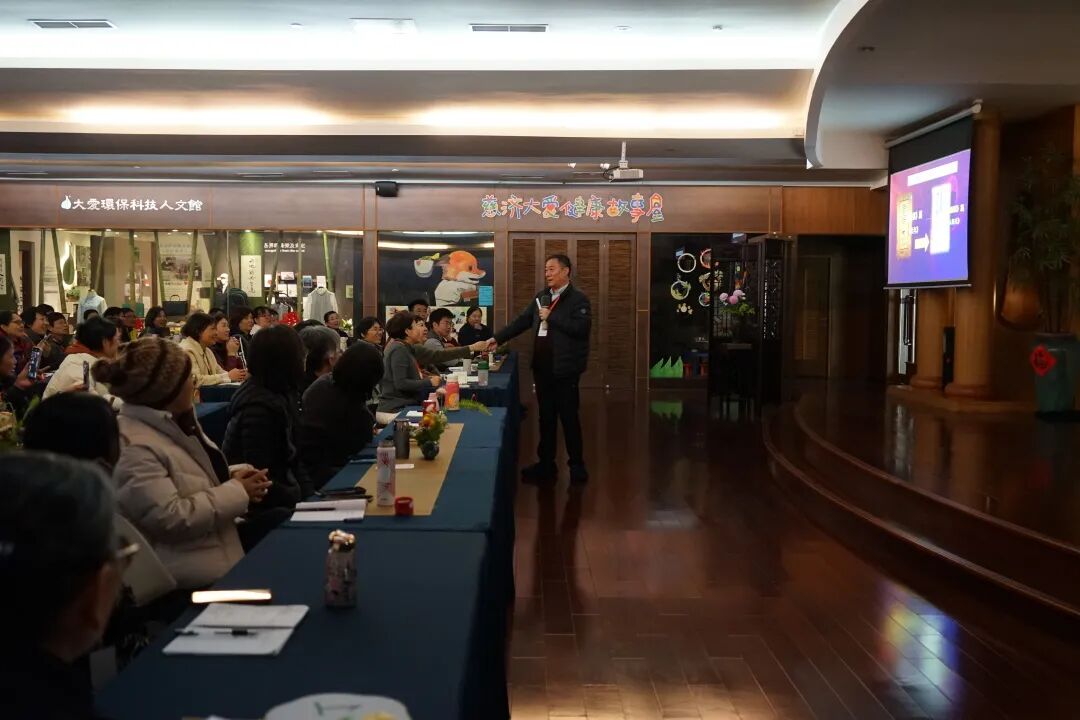
Image | Huo Tao
Ms. Qu, from Jinan, Shandong, is a psychologist who has helped many people. After experiencing family tragedies, she was diagnosed with breast cancer herself. A week before her surgery, she, who was still working intensely, felt "capable." "But my body forced me to stop, just like a fast-moving train suddenly braking, and emotions such as anxiety, fear, and anger overwhelmed me. I couldn't help but ask 'Why me?'"
In early November, Ms. Qu stumbled upon a live broadcast by the amiable teacher, which made her feel free and accepted. With a nervous heart, she arrived at the Suzhou Tzu Chi Health Promotion Camp. The reception from Dr. Ye Lin and the warm atmosphere on site made her feel "this is where I wanted to be." "During these three days, I went from feeling stiff in the spine when saying gratitude to learning to humble myself and express thanks. I understood that I need to get along well with the weaker version of myself and adjust my pace to do what I can."
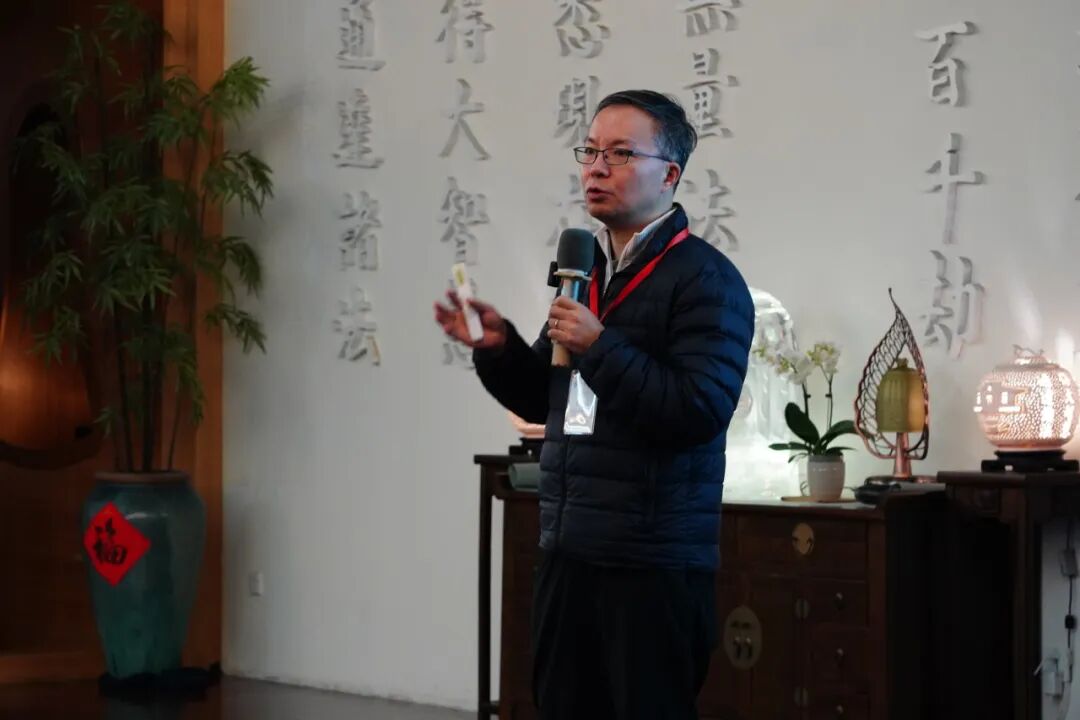
Image | Qiao Jiacheng
Professor Wang Erdong of Soochow University, guided by the wisdom of traditional Chinese medicine, initiated a profound dialogue about "emotion and health" for breast cancer patients. Starting from the "Huangdi Neijing", he revealed the psychological view of traditional Chinese medicine that "all diseases originate from qi": anger causes qi to rise, contemplation leads to qi stagnation, sorrow depletes qi... Emotions are like the wind inside the body, disrupting the balance of the five organs. Especially for cancer patients, emotional blockages are more likely to lead to "depression".
How to relieve it? Traditional Chinese medicine not only emphasizes "dispelling pathogenic factors and strengthening the body's own defenses", but also proposes a combination of "active nourishment and passive nourishment": dancing, singing, painting, meditation, and tai chi are all good medicines for "qi circulation". Wang Erdong cited research from "Cell" to support the importance of emotional expression for physical and mental integration, integrating traditional philosophies of "maintaining chastity" and "following nature" to help people let go of attachments and return to their true selves.
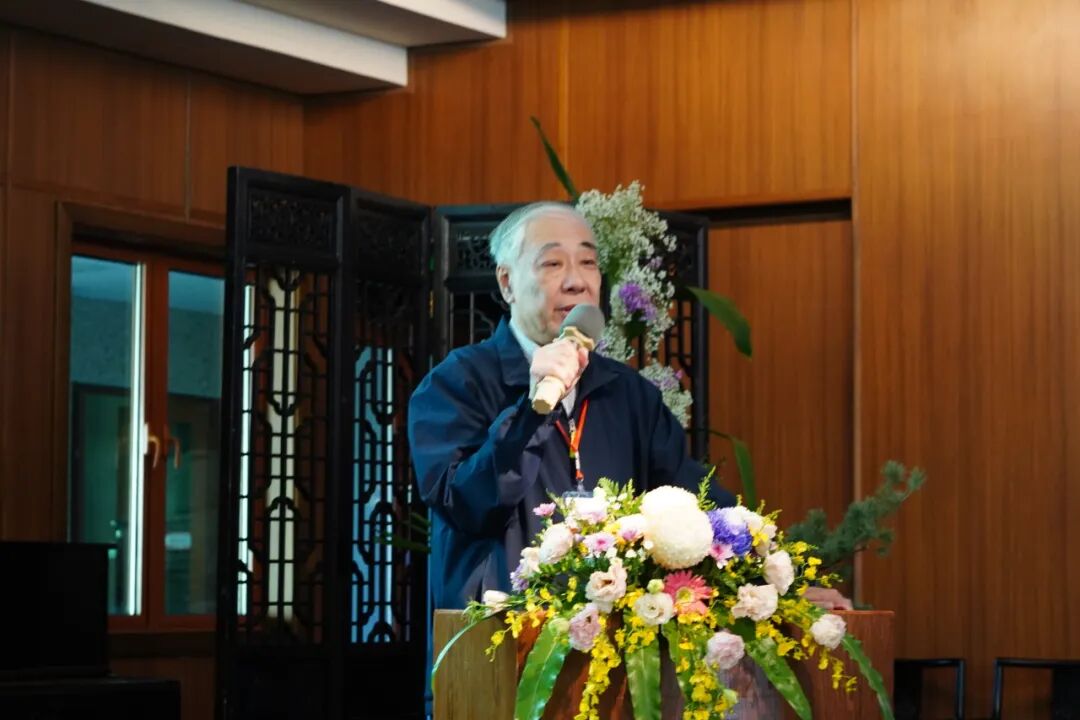
Image | Qiao Jiacheng
Professor Xu Guoyuan, who has been deeply involved in the treatment of tumors with traditional Chinese medicine for fifty years, points out at the outset that the occurrence and recurrence of tumors are the cumulative result of lifestyle. He cites clinical observations: people with better living conditions and more abundant nutrition have more common tumors; many patients are not "immune-deficient" at the early stage of diagnosis, but rather "immune-paralyzed" or "immune-evasive".
He observes that many tumor patients are "good people" who excessively pursue perfection, and long-term emotional suppression leads to "liver qi stagnation", which affects recovery. Therefore, he suggests relaxing excessive demands on oneself and avoiding being confined by the "patient identity". While respecting necessary medical intervention, he advocates returning the initiative of recovery to the patients themselves, and creating a "living soil" that is unfavorable for disease development through a daily life of moderate diet and emotional balance.
Seeing myself in sickness
In two roundtable discussions involving medical practitioners and scholars, the discussion did not merely linger on the level of treatment techniques, but delved into fundamental issues such as medical ethics, the inner world of medical practitioners, and how individuals can maintain clarity and initiative in the face of illness.
Professor Yao Li of China-Japan Friendship Hospital humbly described his medical career as a "lower-level doctor" who "continuously battles despite repeated failures." Professor Yao reflected that "a doctor's health and state directly affect the scalpel in his hand." How can a doctor truly help others when he is overwhelmed by anxiety and exhaustion? This clear-eyed examination of the limitations of the profession and one's own role kicked off the dialogue.
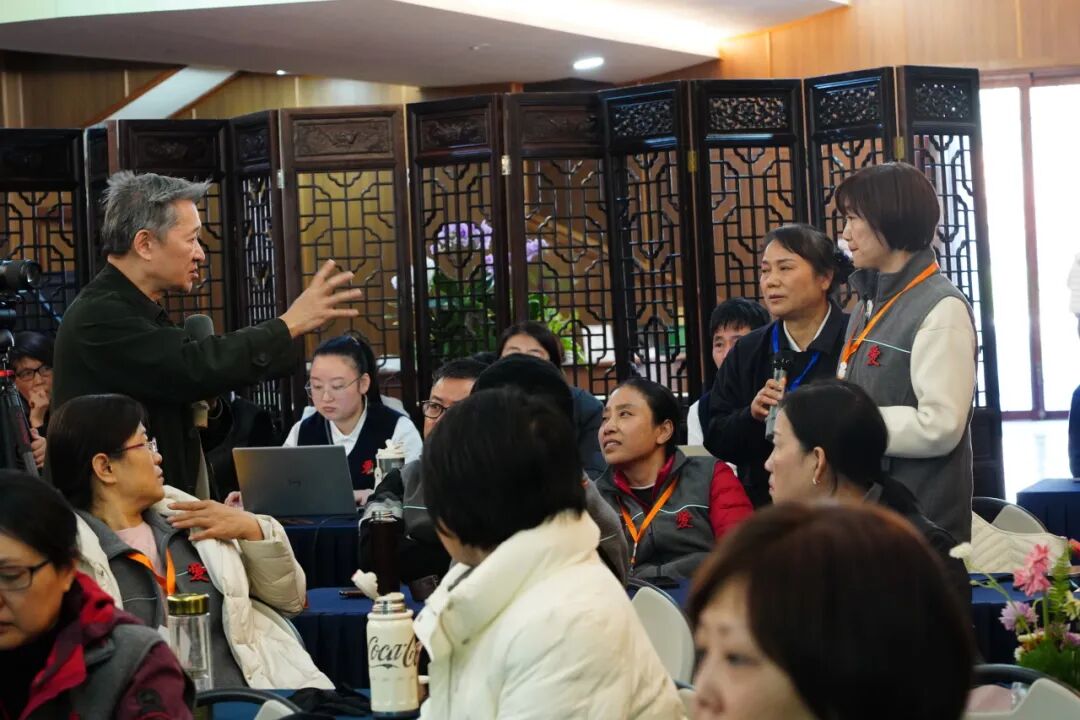
Image | Qiao Jiacheng
The specific and common question raised by patients on-site, "How long does chemotherapy need to be done?", Professor Yao Li humorously expressed with "top-level medicine", "traditional Chinese medicine", and "low-level medicine" that conquering cancer may no longer rely on traditional surgery, radiotherapy, and chemotherapy, but rather include psychological healing, nutrition management, exercise rehabilitation, and immune regulation. A comprehensive model that is people-oriented and mobilizes self-healing power will become the core.
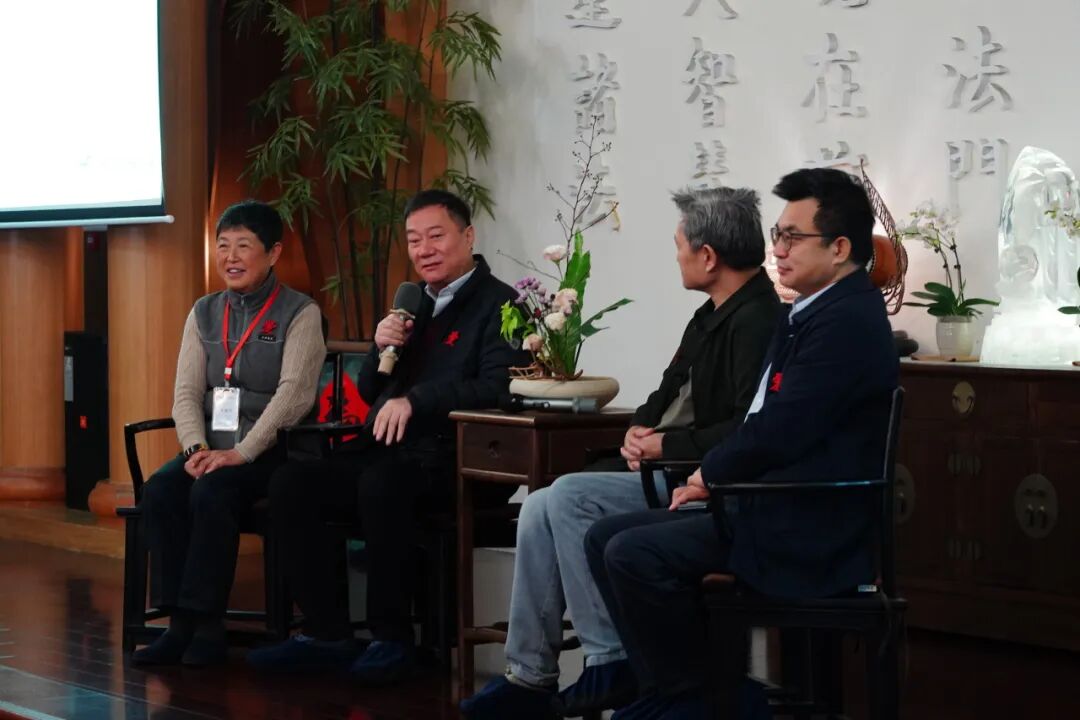
Image | Qiao Jiacheng
Professor Cai Lianghua's speech elevated the discussion to the level of philosophy and life wisdom. He once again profoundly expounded on the life maxim: "Give your illness to the doctor, your heart to the Bodhisattva, and your life to yourself." This means that in professional fields, trusting doctors and allowing them to use their knowledge and experience to provide "solutions" is their duty; but what patients need is "wisdom", seeking peace on a spiritual level, and the ultimate steering wheel of life must be held in their own hands.
Professor Zhang Minghui did not provide a standard answer. He cleverly combined the certainty of medicine with the uncertainty of individuals. He used arsenic as an example to illustrate that the transformation between "poison" and "medicine" lies in the art of application. After full understanding, the final decision rests with the patient.
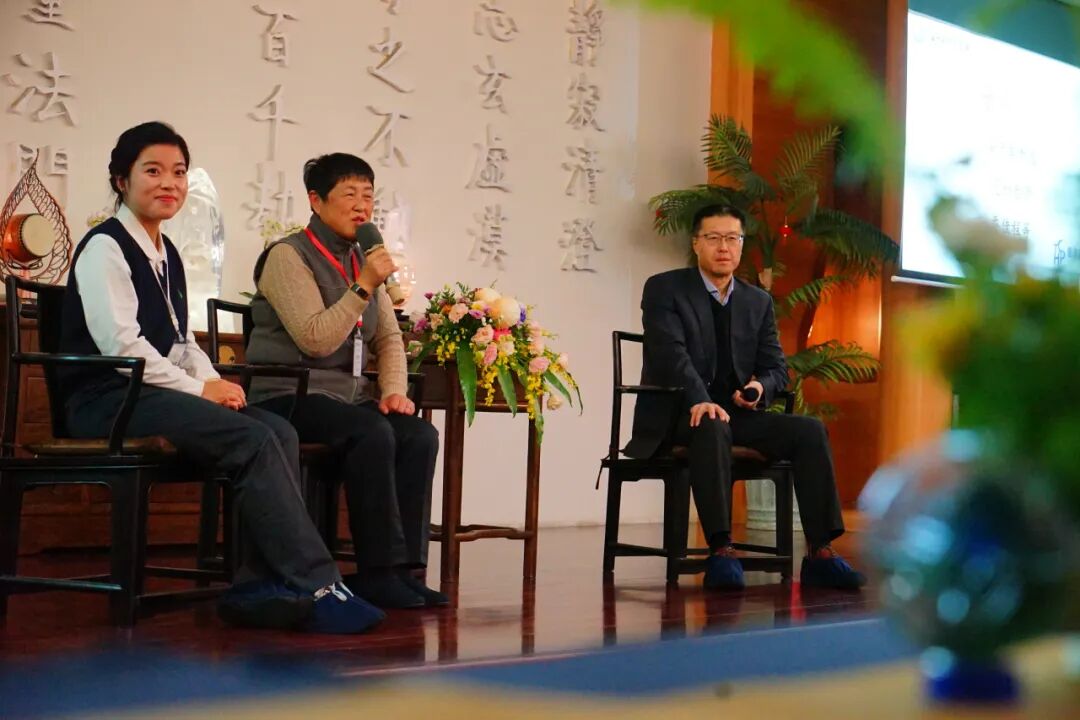
Image | Huo Tao
Ms. Li from Zhangjiagang introduced herself as a strong woman who pursues perfection and is filial to her parents. It was not until a family tragedy occurred that she began to reflect on her life. In response to her question of "why did my weight not increase after getting sick," Professor An Yanjun pointed out from three levels: "acceptance, care, and recognition," emphasizing that "living well" is the top priority in life.
While trusting in professionalism, we should firmly hold the initiative of our lives in our own hands. The deepest manifestation and ultimate destination of this autonomy is altruism. Just like a seed, it contains all the strength to break through the soil, and the meaning of its growth is to give better.
(Text/Cui Wenwen, Yang Zi, Huo Tao; Photos/Qiao Jiacheng, Huo Tao; Report from Suzhou, Jiangsu, December 2025)
Past Issues Recommended
● Suzhou Tzu Chi Health Promotion Camp | Is Your Health "Signal" at Full Strength?
● Suzhou Tzu Chi Health Promotion Camp | Find the Secrets to Peace of Mind and Smiling Again
● Suzhou Tzu Chi Health Promotion Camp | Find the Temperature and Direction of Life Again
● Suzhou Tzu Chi Health Promotion Camp | Open Your Heart, Change Your Mindset, and Laugh at Pain
● Suzhou Tzu Chi Health Promotion Camp | Listen to Experts and Cancer Friends Talk about Healthy Diet
● Suzhou Tzu Chi Health Promotion Camp | Love, No Obstacles, No Cancer
● Suzhou Tzu Chi Health Promotion Camp | Restart the Light of Recovery with Love
● Suzhou Tzu Chi Outpatient Department Awards Ms. Qi Lifang as "Medical Humanities Consultant"
Address: Room 1101 (Unit 101), 11th Floor, Building 1, No. 7 Courtyard, Kexueyuan Road, Life Science Park, Changping District, Beijing
Phone:010-8265 9866
Email:lehemedneo@hotmail.com