Introduction:
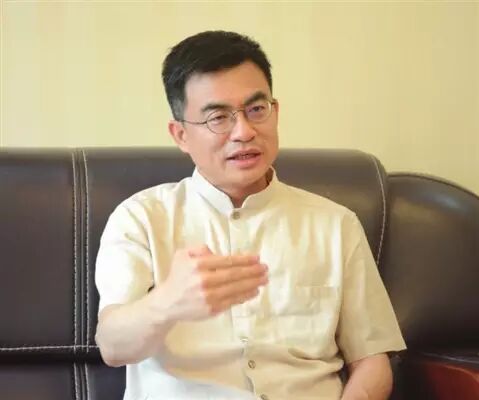
Zhang Minghui, born in November 1970, graduated from the Second Military Medical University of the Chinese People's Liberation Army with a PhD in Immunology. His main research areas are tumor immunology and tumor immunotherapy. He currently serves as the director of the Institute of Cell Therapy at Tsinghua University Medical Center and the director of the Immunology Laboratory at Tsinghua University Medical Center.
The Wei Zexi incident that occurred last year pushed immune cell therapy to the forefront. How should we rationally view this treatment technology? Can humans overcome cancer in the future? Currently, how should we alleviate the problem of information asymmetry in severe disease treatment and resolve the contradiction between doctors and patients?
Zhang Minghui, the director of the Institute of Cell Therapy at Tsinghua University Medical Center, believes that immune cell therapy is a complex medical technology, and our current understanding of it is not yet rich and comprehensive. Doctors should adhere to their humanistic mission, and the medical industry should prioritize social benefits over economic benefits. Humanistic medicine should be advocated and practiced domestically.
The Wei Zexi incident was caused by excessive commercialization, and immune cell therapy technology needs time
Su Weekly: Last year's Wei Zexi incident pushed immune cell therapy to the forefront. How should we rationally view this treatment method?
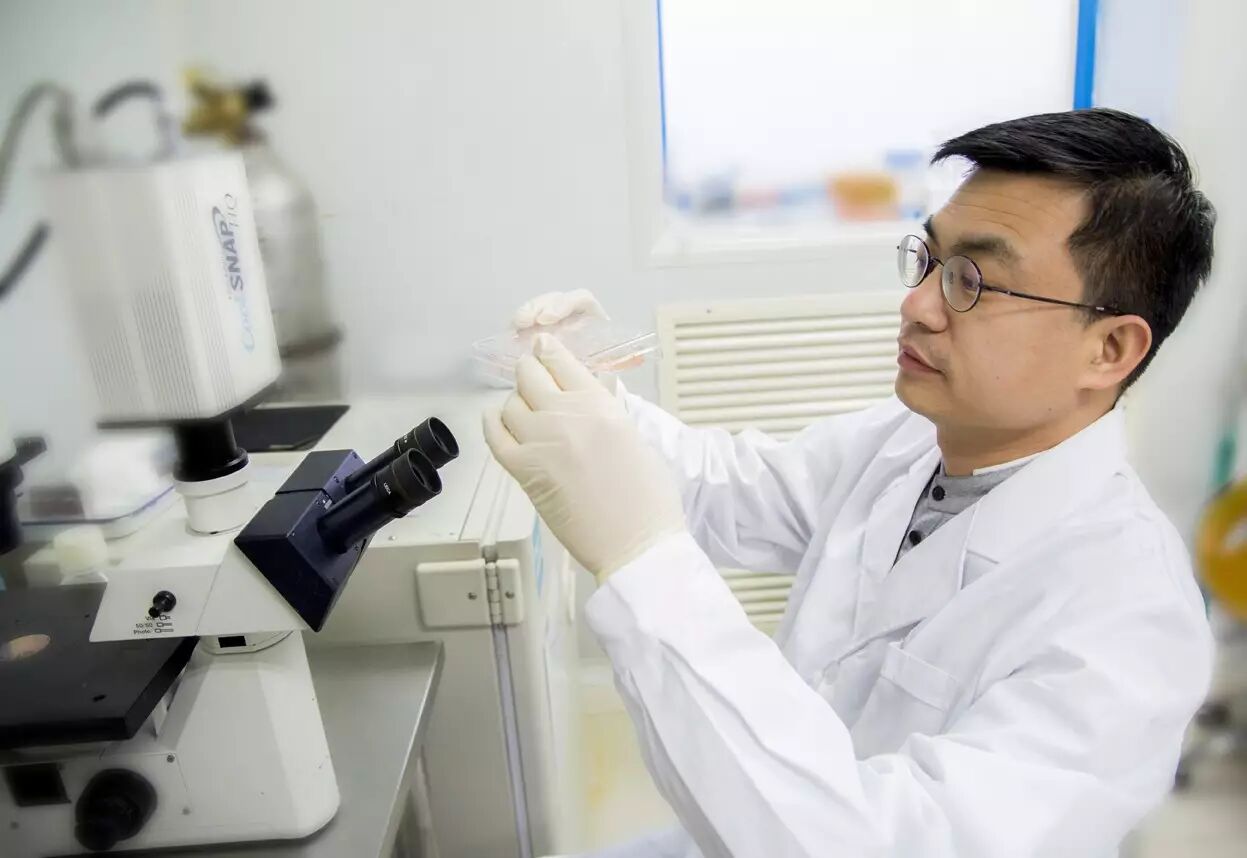
Zhang Minghui: Immunotherapy is a highly complex medical technology, and currently, society's understanding of it is not comprehensive and rich enough. In the human immune system, some cells are scarce, while others are not sufficiently active. The basic concept of immunotherapy is to take a small number of cells, activate and train them in the laboratory, increase their quantity and anti-tumor ability, and then infuse them back into the patient to control cancer cells. If the immune cells are stronger than the cancer, then the cancer will gradually disappear. If a balance can be achieved, the patient can survive with the tumor for a long time.
After 2013, the international pharmaceutical industry has gained a clearer understanding and positioning of immunotherapy, forming an international consensus that the main direction for cancer control in the future is immunotherapy. Immunotherapy is a broad category, and immunocyte therapy is the most complex one within it. Immunocyte therapy has a history of nearly 40 years, and people still need time to understand this complex medical technology. Currently, there are both cognitive issues and technical difficulties. Society's understanding of new medical technologies often relies on their clinical treatment effects. At present, there is no large-scale clinical trial report on immunocyte therapy internationally, so people lack understanding and trust in this new medical technology.
Su Weekly: What makes immunocyte therapy complex?
Zhang Minghui: Medical technology is different from drugs. If a drug has been tested on thousands of people, there will be an evaluation of its safety and effectiveness. According to the rules of the pharmaceutical industry, if it passes Phase III clinical trials, it can be mass-produced and used by people. However, during use, some unexpected and previously unseen problems may still occur. Therefore, theoretically, there is no absolutely mature drug.
Immunotherapy techniques are more complex. The human immune system is very complex, and cancer is a complex disease that is constantly changing. Moreover, everyone's system and illness are different, so these complex factors are mixed together. It is very difficult to understand them thoroughly and treat them effectively.
A technology that is not only theoretically feasible but also technically advanced can completely solve a disease. Specifically, when it comes to immune cell therapy technology, it is closely related to the doctor who implements the technology, their analysis and judgment of the disease, their grasp of the technology when using it, and their accumulated experience.
Su Weekly: How do you view the previous application of this technology in China?
Zhang Minghui: The biggest problem it encountered before last year's Wei Zexi incident was excessive market-oriented behavior. Actually, it's not a medical excess, but a commercial excess. It's too simplistic to think of this complex medical technology. Without distinguishing the condition and expanding the population, the impression given is that this technology cannot cure people, but it also cannot cure diseases.
Since around 2007, the commercialization of cell therapy has gradually emerged, viewing it as a simple medical technology. When using it, there is some carelessness. In fact, its manufacturing and usage threshold is very high. Moreover, immune cell therapy is a personalized new treatment technology with high manufacturing and treatment costs. So, currently, it is not suitable for every patient to use it, and promotion takes time.
Immune cell therapy is the "rear guard" in the fight against cancer< H149>
Su Weekly: According to your research, what positive significance does immune cell therapy have for cancer?
Zhang Minghui: Surgery, chemotherapy, and radiotherapy are still the mainstream cancer treatment methods recognized by the medical industry. But these methods, at present, even if they can be solved, are short-lived. Previously, if cancer did not recur for five years after intervention through these three methods, it was called clinical cure. Now everyone's mindset needs to change, especially with the advancement of immunotherapy technology, which allows patients to survive with tumors for a long time, clinically known as "long-term survival with tumors".
Immunotherapy used to be treated as a panacea and called adjuvant therapy, but this view is biased. For the treatment of cancer, a complex disease, I usually have an analogy that it's like fighting a complex battle. To fight complex battles, strategic planning is necessary. Whoever becomes the vanguard, the central army, and the rear guard must have meticulous arrangements. At present, surgery, radiotherapy, and chemotherapy are like pioneers or midfielders, capable of removing most of the cancer cells. But cancer has a characteristic, theoretically, if a cancer cell remains, there is a possibility of recurrence and metastasis in the future. Our traditional surgery, radiotherapy, and chemotherapy are powerless in this situation. At this point, immune cell therapy can exert unique advantages.
Everyone has mutated or cancerous cells, but the normal human immune system is relatively strong, so the vast majority of people's cancerous cells cannot grow into tumors. For people who have already developed tumors, if most of the cancer cells are cleared through surgery or chemotherapy< H183>
For the remaining ones, timely use of good immunotherapy methods may lead to a complete victory. So, in the comprehensive treatment of cancer, I regard immune cell therapy as the rear guard, playing a decisive role in the victory of the battle.
Su Weekly: Can this technology mature? What is the outlook?
Zhang Minghui: It is not appropriate to call a medical technology mature or immature. At present, the so-called mature drugs refer to marketed drugs, but they often have clinical effects that are conditionally targeted at a certain population or indication. Even with marketed drugs, it is difficult to ensure that different races, conditions, and larger populations have the same effects and side effects in long-term clinical use. Especially because each individual is different, there may be some special issues when using it. For medical technology, it is even more complex as theory and technology continue to improve and evolve. So, in medicine, maturity should be carefully emphasized, as we are all researching and solving problems at the same time.
For immune cell therapy, it can only be said that theoretically there are no obstacles, but different people make and use it, and the differences are significant. The immune system is very complex, and our understanding of it is still superficial. There are hundreds of immune cells, but we currently only know about a dozen or so. Even less is known about its function, including its role in physiology or pathology. Another aspect of the complexity of the immune system is that it needs to engage in a coordinated battle when it comes into play. When solving the problem of cancer, it is currently necessary to search for the most powerful anti-cancer cells that fight cancer and know who these cells cooperate with.
Overcoming cancer is difficult, and medical research should benefit the public< H224>
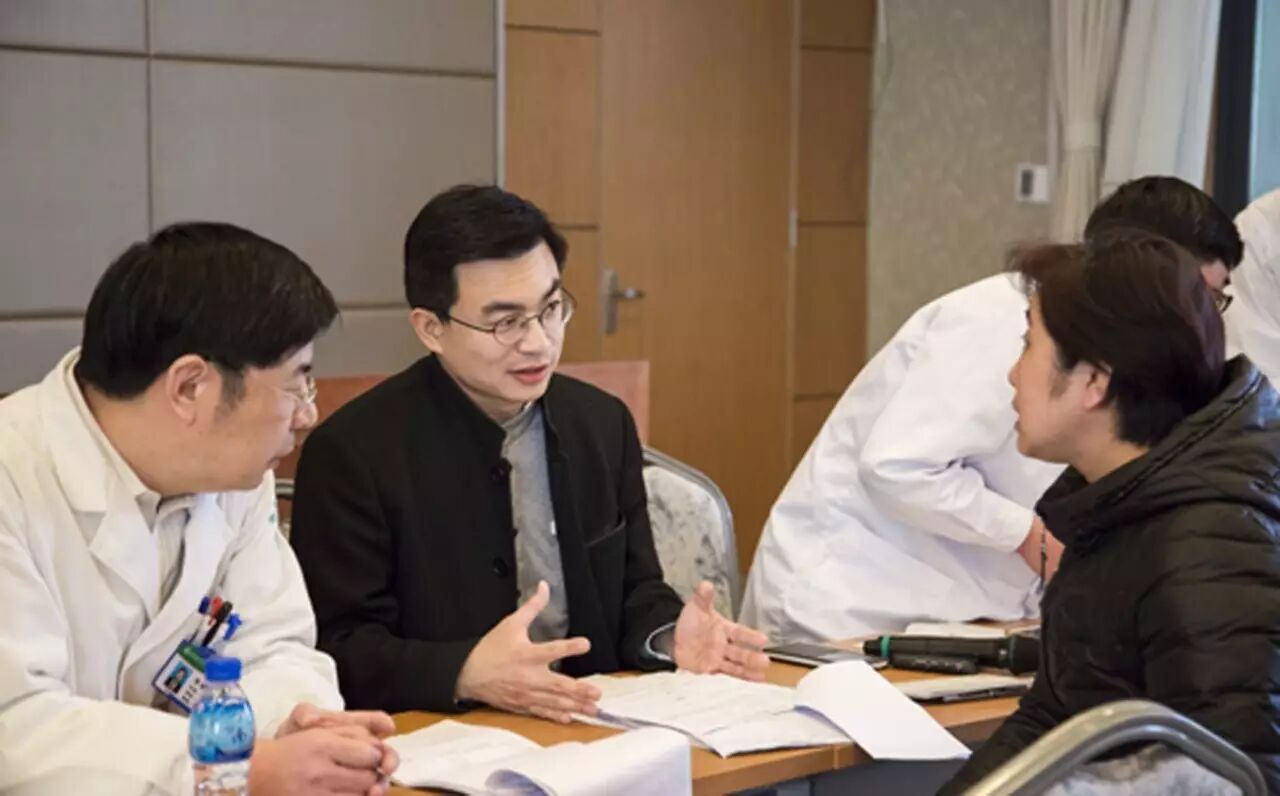
Su Weekly: When did you start researching immune cell therapy? Zhang Minghui: I have been studying immunology since 1994, when I was at the Second Military Medical University in Shanghai. The research on NKT began in 2005. I accidentally discovered a cell that was very special, so I went to analyze and study it, and found that it was a subclass of NKT cells. Then, we will explore its actual function in the human body. It took 5 years to have a clear understanding of its anti-cancer effects. In 2010, by chance, a desperate patient came to me and volunteered to try. I conducted an experiment on this advanced liver cancer patient and received unexpected results. After that, my focus shifted to the anti-cancer treatment of NKT.
Su Weekly: Has the Wei Zexi incident had an impact on your research?
Zhang Minghui: After this incident, excessive behavior in society has been effectively controlled. But for clinical research, the government has not stopped it. Clinical research has its own standards, and whether the technology is good or not ultimately depends on patient testing.
When any technology is first developed, the cost is relatively high. It is used by many people who have the means or are at a loss, but it cannot be generalized yet. But the progress of immunotherapy technology is very fast. If policies are right and experience is accumulated quickly, it will definitely benefit the public in the future. As a researcher, if a good technology cannot benefit the public, then the research is not thorough enough. I believe that in the future, immune cell therapy will also achieve such a widely used state.
Su Weekly: What is the goal of persisting in this research?
Zhang Minghui: This groundbreaking research has a high probability of failure. It is difficult to persist without a high level of understanding of research or one's own mission. Cancer is a global challenge, and despite more than 50 years of development in modern oncology, it has still suffered a defeat. There have been significant technological revolutions in surgery, radiotherapy, and chemotherapy, but they have not been completely resolved yet. It can be imagined how difficult the road to solving cancer is.
A study, particularly in medical research. Its final evaluation is what medical problems you can solve and to what extent. Without the determination to take on such a challenge, most people would not engage in innovative research. Moreover, just developing a method and writing an article to tell others is not the end point of the research. The ultimate goal of research is to solve medical problems and benefit patients. I will continue to persist, constantly improve this technology, and constantly summarize my experience.
Minor illnesses that can heal themselves are best left undisturbed by medical intervention
Su Weekly: You once mentioned that colds are actually related to cancer. How do you understand the role of the immune system?
Zhang Minghui: The immune system is very complex, but it does not prevent us from having a basic understanding of its mechanisms. For example, in my understanding, a common cold is a good thing. A cold is when external bacteria invade the human body and the immune system fights against it. When the immune system is activated to eliminate this bacteria, the immune system is also exercised. When the immune system is activated, its role is not only to kill bacteria, but also to eliminate some mutated cells in the body. So, catching a cold is a training of the immune system and also beneficial for cancer prevention. However, we cannot deliberately create a cold either.
The human body has a strong self-healing ability, and we need to recognize this function. If it can heal itself, then use fewer medical methods to intervene.
Su Weekly: Can cell therapy be widely applied in other fields?
Zhang Minghui: Immune cell therapy mainly targets cancer. From the difference between cell therapy and drug therapy, cell therapy is a more complex systematic treatment. The function of cells is not as singular as that of drugs. When chemical drugs enter, the problems solved are very singular, resulting in more and more complex problems. Cells have fewer side effects and produce more positive effects in the later stages, as they ultimately come from normal components of the human body. Many elderly people have a lot of white hair, and after treatment with immune cells, they may experience a phenomenon of white hair turning black, which is due to the effect of immune nutrition. Because immune cells are very complex, while solving cancer, some of their other functions can also be demonstrated.
For example, there is now a type of cell called mesenchymal stem cells, which originate from early human tissues and are relatively dynamic. The function of these cells is exactly opposite to that of immune cells, as they have a certain stabilizing effect on the immune system. For some diseases where the immune system is biased and chaotic, using these cells to intervene has shown certain prospects. In theory, in the future, we can discover many cells with therapeutic effects and use them to solve some special diseases. But the technology is complex and clinical validation takes time.
Su Weekly: What should be paid attention to in preventing cancer?
Zhang Minghui: Diet is worth paying attention to. One reason for cancer is a genetic issue, but it is rare. The most important thing is the deterioration of the external environment, such as water and air pollution. A large amount of harmful substances entering the human body can accelerate cell mutations, leading to a high incidence of tumors.
My personal suggestion is to have a light diet. In recent years, various diseases have been on the rise, many of which are related to our excessive intake. For example, the increasing number of people with "three highs" is due to our unhealthy diet. High blood sugar is a factor contributing to the high incidence of cancer. According to the nutritional intake of cancer cells, the higher the sugar content, the more likely cancer is to occur. A light diet with less animal derived foods and more vegetarian options may be better.
It is necessary for the whole society to participate widely and advocate humanistic medicine< H63>
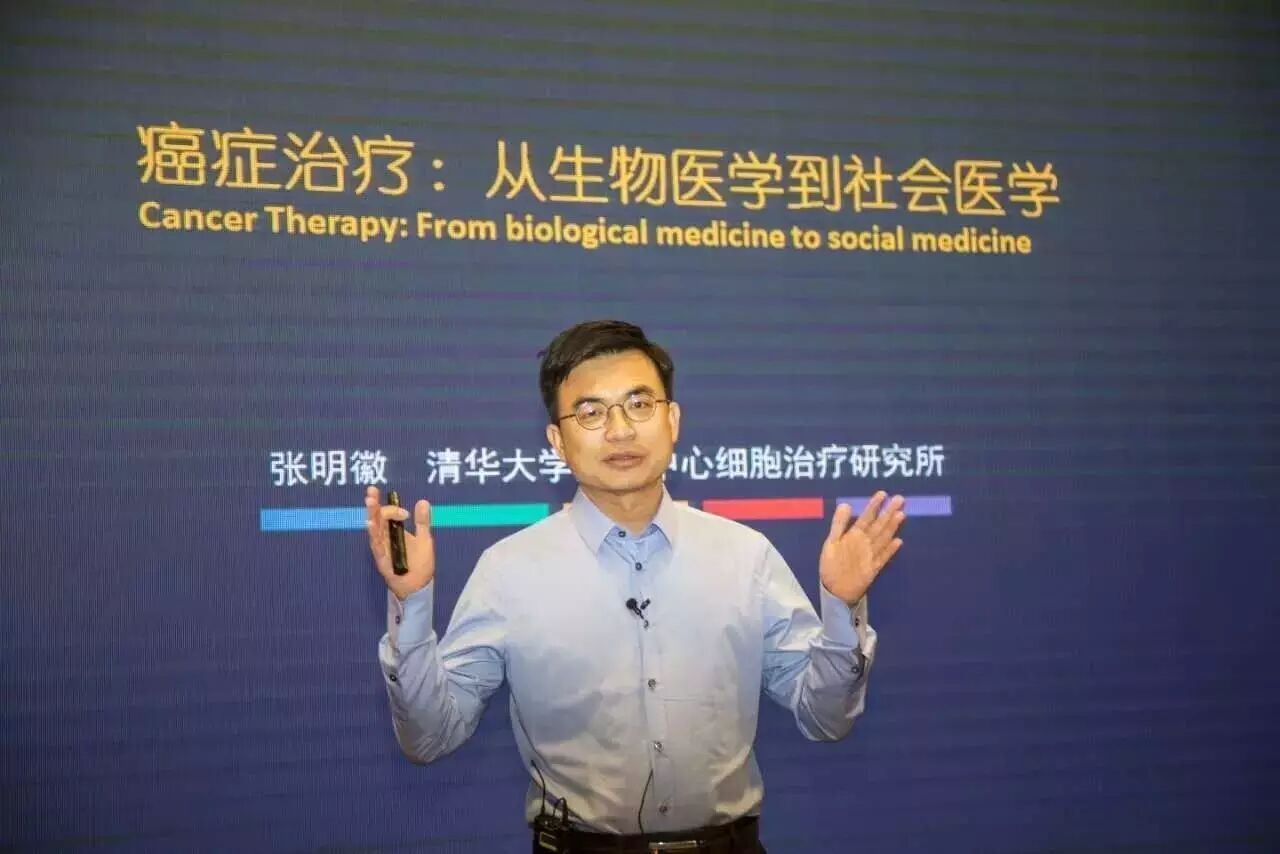
Su Weekly: In the context of information asymmetry between patients and professionals, what medical ethics should be emphasized in cancer treatment?
Zhang Minghui: Ethics come first in the medical industry. I think treating medicine as an industry has gone astray. Medicine was originally meant to save lives and benefit the world, as a form of charity. It is not aimed at making money, but at solving people's pain. Of course, in order to make it work, medical treatment requires some money. So slowly, a hospital model was formed. Nowadays, medicine is developing rapidly, but ordinary people still have little understanding of medicine, and information asymmetry is becoming increasingly strong. The Wei Zexi incident was caused by information asymmetry and some incorrect solutions.
I come from an educational background, first as a teacher, then as a researcher, and finally as a doctor. I believe that the popularization of medical education is very important, as it enables the public to understand medical knowledge, which is even more urgent for the treatment of serious illnesses. There is a topic called joint decision-making between doctors and patients, which is a complex disease that is not determined solely from the perspective of doctors on how to treat it. Doctors not only need to see diseases, but also the carriers of diseases - people. When treating diseases, if we care about the patient's psychology and social relationships, we will not use a standardized and modular approach when formulating treatment plans.
Therefore, I believe that treating cancer, a complex disease, must involve some humanistic aspects. Cancer appears to be a cellular transformation, but it is actually related to psychology and can be considered a physical and mental illness. Doctors should adhere to their humanistic mission, have a full understanding of diseases and the psychology of patients, and comprehensively present information to each other.
Su Weekly: Can you elaborate on what you mean by "humanistic medicine"?
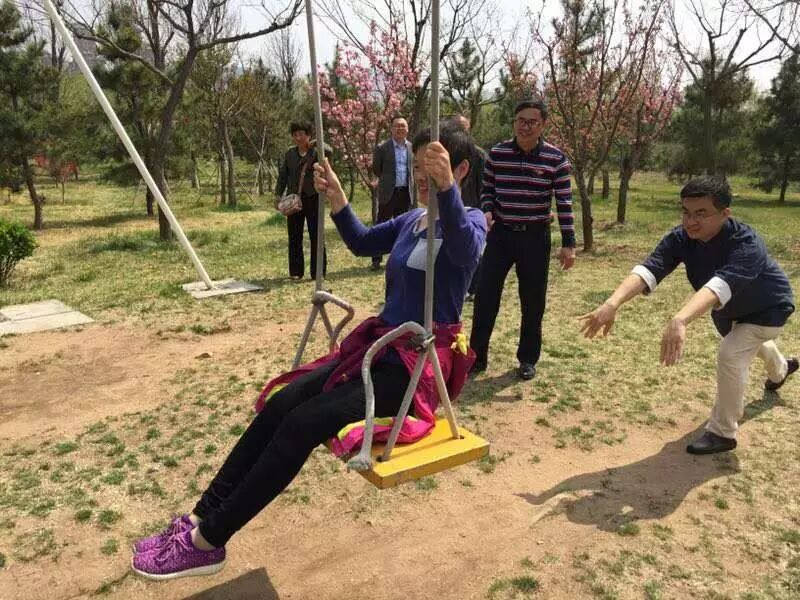
Zhang Minghui: I am currently working in the field of humanities medicine, mainly focusing on education. The target audience for education is doctors and patients. Besides treating diseases, doctors should truly understand the patient's psychology and their specific needs. To solve his problems from a non-medical perspective, mainly psychological issues. For example, in the field of cancer, people emphasize "palliative care". When modern medical technology cannot intervene at the end of life, we adopt a humanistic approach to provide relief and help patients walk without pain or fear.
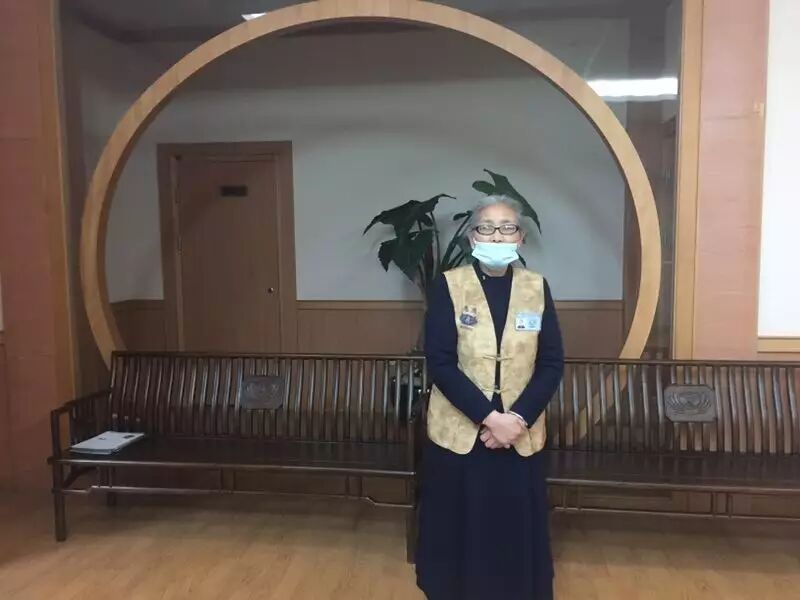
To promote and practice 'humanistic medicine', it is not only necessary for doctors and nursing staff, but also for patients, their families, and volunteers to participate extensively. For example, the Tzu Chi medical system in Taiwan has many volunteers. And many volunteers were originally patients, and they shared some of their experiences in treatment, which is very meaningful for the recovery of patients. Humanistic medicine can further resolve doctor-patient conflicts and promote disease recovery.
Su Weekly: Advocating humanistic medicine, what are the positive significance?
Zhang Minghui: The most invested in this society are the late stage patients. If we approach this issue very rationally, we should provide late stage patients with mental comfort and reduce excessive medical and technological interventions. Save these resources for patients who still have hope for a complete cure. It is not a good outcome for the entire society to use limited social resources, whether it is social contributions or family contributions, on some critically ill populations.
There are two aspects to the current medical problems in China: insufficient supply of high-quality resources and excessive demand from the social population. If a patient has the means at home and travels to hospitals in Beijing, Shanghai, and other places, they have to find 10 or even more doctors to treat them, which is an excessive demand. The reasons for excessive demand are largely due to information asymmetry and lack of trust in doctors.
Do a good job in humanistic medicine and spread medical ethics in the future< H178>
Su Weekly: How to handle the relationship between social and economic benefits in practicing humanistic medicine?
Zhang Minghui: Firstly, the medical industry prioritizes social benefits over economic benefits. If reversed, it will inevitably lead to personnel in the medical industry pursuing economic benefits, resulting in deviations and problems.
Of course, nowadays everyone wants to enjoy the best medical conditions, which inevitably comes at an economic cost. Who will bear this cost? In addition to the social security system, there are also some people who use commercial insurance and some who pay out of pocket. Another thing is that when the social culture is well shaped, some people, out of kindness, donate to charitable organizations to help others. I think from an economic perspective, we should systematically solve this problem from four aspects: government, commercial insurance, patients themselves, and charitable organizations.
To do a good job in humanistic medicine, in the future, I think we should still spread medical ethics. The rich should contribute some money and give some help to the poor, achieving a cycle. If people without money benefit, they can volunteer. This is my ideal medical method, a self circulation. Especially for cancer patients, I think we can make some attempts.
Su Weekly: From a societal perspective, how should we pay more attention to it?
Zhang Minghui: In today's medicine, I think everyone's concept still has limitations, believing that the responsibility of doctors is to treat diseases. In fact, the ultimate goal of true medicine is to have no diseases in the world and prevent diseases before they occur. This is the goal that our medical community should strive to achieve.
We treat many critical illnesses now out of necessity. Now it seems that medical technology intervention alone cannot fundamentally solve the problem. To solve problems, we need to see their root causes. Only by improving the living environment, improving social conditions, and improving people's psychology can we reduce the incidence of diseases. If the fundamental problem cannot be solved, the number of diseases will increase. A doctor becomes a bullet hole blocker, purely a physical job, and we cannot always block the bullet hole.